Sign in to your account
or
By signing in you agree to our
Terms & conditions
 and 
Privacy policy

Vitamin and Mineral Screening Package

Also referred as
Nutritional Elements
For men & women
Earliest reports in
24 hours
Contains
10 tests

Package price:
₹2089
₹2299
9% off
Know more about this test
<font color='#864291'>Know more about this test</font>

Vitamins and minerals are the essential micro nutrients for maintaining an optimal health. In general a balanced and nutrient rich diet helps to attain healthy levels of vitamins and minerals in the body; However there are few conditions including malabsorption, alcoholism and pregnancy, which may lead to their deficiency in the body. Modern food habits are also making people more prone to these deficiencies. This tests diagnose the level of several essential vitamin and minerals whose abnormal levels can cause a number of disorders. Early screening helps in initiating the treatment early which can prevent several complications and disorders.

Samples required
Blood 2

Preparation for this package

Sample Collection
Who will collect your samples?
Know more about lab

Tata 1mg Labs (Tata 1mg Technologies Private Limited)
ISO 9001:2015
NABL certified, ISO certified
About this lab
TATA 1mg labs is a state-of-art facility offering the highest quality diagnostic services at the convenience of your doorstep. We pride ourselves on three things 1) Assured Quality 2) Best Prices 3) Excellent Turn Around Time. We believe in providing the highest level of transparency to our customers. Testimony to the quality is the ISO certification, a gold standard in the quality of diagnostics. Our entire team is dedicated to providing the best customer experience and continuously strives to come up with solutions to remain in line with the needs of our customers.
See more

What does Vitamin and Mineral Screening Package measure?

Contains 10 tests

Ph, Serum measures the levels of inorganic phosphates in blood. It is critical in the production and storage of energy as it forms a part of the energy currency of cells (Adenosine tri, di, and monophosphates). It is also a structural component of DNA. It is essential in the functioning of nerves and muscles, and in the growth and maintenance of healthy bones. In blood, phosphates act as buffers to maintain the pH and electrolyte balance of the body.

The main source of phosphorus comes from diet. Once consumed, it is quickly absorbed by the digestive system. In the body, most of the phosphates are bound to calcium in the bones and teeth. Some of it is found in muscles and nerves, and a small amount is present in cells, where it forms a structural component of DNA. Very small amounts of phosphates are normally found in circulation, and these levels are measured with blood phosphorus levels.

Phosphate levels in the blood are maintained within its very narrow normal concentration range by excretion of excess phosphorus through kidneys. Phosphate levels are also dependent on the levels of calcium, Vitamin D and parathyroid hormone in blood.


Know more about Phosphorus, Serum

Chloride is an essential mineral which acts as an electrolyte along with potassium, sodium, bicarbonate, etc. It helps to maintain the normal fluid and electrolyte balance of the body. It also acts as a buffer to help maintain the pH balance of the body. It also plays essential roles in metabolism. Chloride is used by the stomach to produce hydrochloric acid (HCl) for digestion. Chloride is present in all body fluids and is found in highest concentration in the blood and extracellular fluid (fluid present outside the cells).

Most of the chloride intake is through dietary salt (sodium chloride or NaCl), and a small portion through other food items. The body absorbs the required amount and the kidneys excrete the remaining through urine. The concentration of chloride in blood is maintained within a very narrow range by the body and usually increases or decreases in direct correlation with sodium levels.


Know more about Chloride

Calcium (Ca) Test measures the levels of calcium in blood. Calcium is essential for body processes including cell signaling, blood clotting, contraction of muscles, and functioning of nerves. It plays a crucial role in the formation and maintenance of healthy bones. Deficiency of calcium results in Osteoporosis, a disease in which the bones lose their density and become soft and fragile, causing them to fracture very easily.

About 99% of the total amount of calcium received by the body is bound as calcium complex in bones, and the remaining 1% lies in blood circulation. Of the amount of calcium circulating in the blood, about half remains bound to albumin protein or other ions and are metabolically inactive, while the remaining half remains free and metabolically active. Blood Calcium tests can be of two types: Total Calcium Test used to measure the total calcium concentration in blood including both the free and bound forms, and Ionized Calcium Test used to measure the concentration of only the metabolically active form.

Calcium levels in the blood are maintained within a very narrow range by a number of mechanisms. Deviation from the normal range of calcium concentration causes Hypocalcemia (low levels of calcium), or Hypercalcemia (excess of calcium). Both these conditions impact normal body processes in the short term and may give rise to other conditions in the long term.

A blood calcium test cannot be used to check for a lack of calcium in your diet or for osteoporosis (loss of calcium from bones) as the body can have normal calcium levels even in case of dietary deficiency of Calcium. The body can augment mild calcium deficiency by releasing the calcium stored in bones.

Know more about Calcium

Iron Serum

Vitamin B12 is a part of B complex of vitamins. Vitamin B12 is also called as Cobalamin. It is a water soluble vitamin. Vitamin B12 plays an important role in formation of normal red blood cells, repair of tissues, DNA synthesis and genetic material in cells. It is not produced in the body and has to be taken in diet. The diet sources include red meat, fish, milk, poultry, yoghurt, eggs, fortified cereals, breads and other grain products. It can also be taken in the form of Vitamin B12 tablets or multivitamin pills. The deficiency of Vitamin B12 results in macrocytic anemia (size of red blood cells larger than normal).

Megaloblastic anemia is a type of macrocytic anemia, in which large size red blood cells called as macrocytes are produced. These red blood cells are fewer in number. There is a decrease in white blood cell count and platelet count. Megaloblastic anemia occurs due to acquired deficiency of Vitamin B12. The reason can be an inadequate dietary intake of Vitamin B12 or any problem in the absorption of Vitamin B12 from the intestines.

In case of problem in the absorption of Vitamin B12 from intestines, it is known as Pernicious anemia. It occurs due to lack of intrinsic factor which is present in secretions of the stomach.

Vitamin B12 is also important for nerve health and is taken as a nutritional supplement for the treatment of nerve damage.

Vitamin B12 binds with intrinsic factor (protein secreted by cells in the stomach). After binding, a complex is formed which is absorbed by the small intestine. In case of any disease interfering in this process can cause weakening of absorption of Vitamin B12.   

Know more about Vitamin B12

The Sodium test measures the concentration of sodium in the blood.

Sodium is an essential body electrolyte which, along with potassium, chloride, bicarbonate, etc., helps to maintain the normal fluid and pH balance in the body. It is also vital for cellular metabolism, and in the activity of nerves and muscles and transmission of impulses between them. Sodium is present in all body fluids and is found in highest concentration in the blood and extracellular fluid.

Sodium is supplied to the body principally through dietary salts (sodium chloride or NaCl), and a small portion of sodium is absorbed through other food items. The required portion is absorbed by the body and the remaining is excreted by the kidneys through urine. The body maintains a very narrow range of sodium concentration by three mechanisms:

·         Secretion of hormones natriuretic peptides and aldosterone to control sodium elimination through urine

·         Secretion of antidiuretic hormone (ADH), also called Vasopressin, to control the volume of water eliminated through urine

·         Induction of thirst

Any disruption in the abovementioned mechanisms gives rise to an imbalance in the concentration of sodium in the blood to produce Hyponatremia (low blood sodium concentration), or Hypernatremia (high blood sodium concentration). Both these conditions produce a number of symptoms and may even lead to death.

Know more about Sodium

The hemoglobin test measures the amount of hemoglobin in the blood.

Hemoglobin (Hb) is a protein found in red blood cells (RBCs) that carries oxygen from the lungs to the body tissues, and to exchange the oxygen for carbon dioxide. Hemoglobin then carries the carbon dioxide back to the lungs and where it is exchanged for oxygen. Iron is an essential part of hemoglobin. Most blood cells, including red blood cells, are produced regularly in your bone marrow (present within the cavities of many of large bones). To produce hemoglobin and red blood cells, your body needs iron, vitamin B12, folate and other nutrients from the foods you eat.

A decrease in hemoglobin concentration in blood results in anemia. Anemia is a blood disorder characterized by a decrease in the total amount of red blood cells (RBCs) or hemoglobin in the blood or a lowered ability of the blood to carry oxygen to body organs and tissues. Anemia is the most common blood disorder, affecting about a third of the global population and can cause symptoms like tiredness (fatigue), weakness, shortness of breath etc.

The hemoglobin test is usually performed as a part of complete blood count (CBC) test.

Know more about Hemoglobin

The Potassium Test measures the concentration of potassium in the blood.

Potassium is one of the essential body electrolytes along with sodium, chloride, bicarbonate, etc. As an electrolyte, potassium helps to regulate the amount of fluids present in the body and to maintain a correct pH balance. It performs a vital role in cellular metabolism and transport of nutrients and waste products in and out of cells. It is also essential in the transmission of nerve impulses to muscles and muscle activity.

Sufficient amount of potassium required by the body is absorbed from dietary sources, and the remaining unabsorbed potassium is excreted by the kidneys. Body potassium is maintained within a small normal range principally by the hormone aldosterone. Aldosterone acts on the nephrons in the kidneys and activates a sodium-potassium pump which helps the body to reabsorb sodium and excrete potassium. This helps to maintain the potassium concentration in the blood within its normal range. Deviation of potassium concentration from its normal range gives rise to Hyperkalemia (high potassium level in blood), or Hypokalemia (low potassium level in blood). Both these conditions may produce a number of symptoms, and may even be fatal if not controlled.

Know more about Potassium

Magnesium is a mineral micronutrient which plays essential roles in body processes including enzyme functions, energy production by metabolism, contraction of muscles, and nerve functioning. It also helps in the metabolism of calcium and hence helps in the maintenance of healthy bones. Magnesium is supplied to the body from dietary sources and is absorbed in the small intestine and colon. It is subsequently absorbed into the bones and tissues. Only about 1% of the total amount of magnesium absorbed remains in the blood within a narrow normal range. The normal range of magnesium concentration is maintained in the body by utilizing the amount absorbed from food and excreting the excess through urination.


Deviation from the normal range of magnesium concentration causes Hypomagnesia (shortage of magnesium), or Hypermagnesia (excess of magnesium). Both these conditions impact normal body processes in the short term and may give rise to other conditions in the long term.

Know more about Magnesium

Vitamin D Test measures the levels of Vitamin D in the blood. Two forms of vitamin D can be measured in the blood, 25-hydroxyvitamin D and 1,25-dihydroxyvitamin D. The 25-hydroxyvitamin D is the major form found in the blood and is the relatively inactive precursor to the active hormone, 1,25-dihydroxyvitamin D. Because of its long half-life and higher concentration, 25-hydroxyvitamin D is commonly measured to assess and monitor vitamin D status in individuals.

The 25-hydroxyvitamin D test is done to determine the level of Vitamin D in your blood, whether it is low or higher than normal. Low levels can be seen if a person is not getting enough exposure to sunlight or enough dietary vitamin D to meet his or her body's demand or if there is a problem with its absorption from the intestines (cystic fibrosis, crohn’s disease, who have undergone gastric bypass surgery). Sometimes, medicines used to treat seizure (Phenytoin) can cause Vitamin D deficiency by interfering with transformation to 25-hydroxyvitamin D in the liver. Severe liver and kidney diseases can also cause vitamin D deficiency. High levels reflects excess supplementation of the vitamin.

Know more about Vitamin D (25-OH)

Did you find information useful ?
yesYES (23)
noNO (7)

Vitamin and Mineral Screening Package test price for other cities

Price inMumbaiRs. 2089
Price inAllahabadRs. 2089
Price inHyderabadRs. 2089
Price inBhopalRs. 2089
Price inChandigarhRs. 2089
Book a Vitamin and Mineral Screening Package test at home near me

Easy online booking
Easy online booking
Search for tests and packages, book a time and select address for seamless at-home lab tests.

Live tracking of phlebotomist
Stay informed with live tracking of our phlebotomist's location for seamless sample collection.
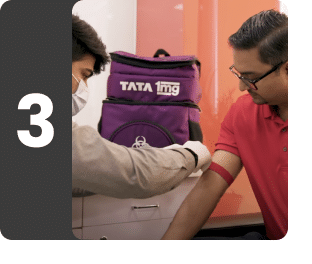
Safe collection
Safe collection
Our phlebotomists follow strict safety protocols to collect samples at home on time.
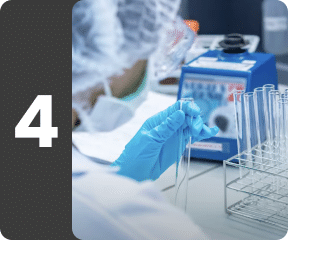
Sample received at lab
Your sample is bought to our laboratory for testing by our qualified experts.

Quick reports, free follow up
Reports are sent to your email. A free doctor follow up is provided to understand the report better

Recommended for everyone
This package is designed with everyone’s overall health considerations in mind, offering assessments to address a wide range of wellness needs.
Package can be booked by :
Men
Women
Package contains 10 tests
Phosphorus, Serum
Chloride
Calcium
Iron Serum
Vitamin B12
Sodium
Hemoglobin
Potassium
Magnesium
Vitamin D (25-OH)
Report delivery
Standard time
24 hrs
For slots after 11 AM, report will be delivered in 24 hours.
Samples required

Blood
1 vial required
Our phlebotomist will draw a blood sample, typically from a vein in your inner elbow.
Preparations
1
Do not eat or drink anything other than water for 8-12 hours before the test
Who's behind your sample collection?

About Phlebotomist
Play
Tata 1mg Phlebotomist
icon
MEET YOUR PHLEBO
icon
Certified Professionals
Certified & experienced professionals
Tata 1mg phlebotomists are DMLT / B.Sc MLT certified and have 1+ years of experience

Best collections
Best in-class collections
Tata 1mg phlebotomists are trained for painless, single-prick hygienic sample collection

Expertise
Comprehensive expertise
Other than sample collection, our phlebos are also skilled in first aid, ECG & BP monitoring
frame icon
WHAT OUR CUSTOMERS ARE SAYING
frame icon
Despite of very heavy rains, reached on time and did the work very professionally
~ Rahul Shrivastava

double quote icon
It didn't pain a 7 year old and hats off to the collector for being kind and extremely kid friendly
~ Khushnuma
double quote icon
Very nice person and soft spoken. I felt good talking to him even when I am in fever
~ Sourabh
double quote icon
New gloves new everything for each person, it's brilliant how meticulous and detailed your SOPs are.
~ Anita
double quote icon
My mother's veins are thin and slippery and hard to locate but Mohammed Usmani got it so fast, no pain
~ Rama Sampath
double quote icon
No pain at all while collecting blood sample. Fast, quick and properly trained staff.
~ Monalithatte
double quote icon
Sample collection agents was very professional and quick he was so organised with everything
~ Vaishali

double quote icon
Footer