Sign in to your account
or
By signing in you agree to our
Terms & conditions
 and 
Privacy policy

Wellness Package Max - Male

Also referred as
Executive health checkup package
Full body checkup
For men
Earliest reports in
48 hours
Contains
106 tests

Package price:
₹7499
₹14998
50% off
Know more about this test
<font color='#864291'>Know more about this test</font>

The Wellness Package Max - Male is a full body checkup comprising blood and urine tests tailored to assess the overall health of males. This package helps identify the potential health problems early, and facilitates proactive management and prevention of diseases.

Samples required
Blood & Urine

Find out
Why is this package booked?

Preparations
Overnight fasting required for 8 to 12 hours

Sample Collection
Who will collect your samples?
Conducted by

know_more_icon
Tata 1mg Labs
ISO certified
chevron
most trusted lab
Accredited labs
Highly skilled Phlebos
Verified reports
Who will collect your samples?
Tata 1mg certified phlebotomists
View phlebo details
Know more about lab
Tata 1mg Labs (Tata 1mg Technologies Private Limited )
ISO 9001:2015
ISO certified
About this lab
TATA 1mg labs is a state-of-art facility offering highest quality diagnostic services at the convenience of your doorstep. We pride ourselves on three things 1) Assured Quality 2) Best Prices 3) Excellent Turn Around Time. We believe in providing the highest level of transparency to our customers. Testimony to the quality is the ISO certification, a gold standard in the quality of diagnostics. Our entire team is dedicated to providing the best customer experience and continuously strives to come up with solutions to remain in line with the needs of our customers.
See more

What does Wellness Package Max - Male measure?

Contains 106 tests

The Wellness Package Max - Male is a comprehensive health assessment tailored for males to provide a holistic view of health. It measures vital health indicators through a range of blood and urine tests that help in the early detection of potential health problems. It also includes the testosterone total hormone test which contributes to the development of secondary sexual characteristics, muscle development, and bone density, essential for physical strength and overall well-being in males. This package also offers a prostate-specific antigen (PSA) test which helps in the early screening of prostate cancer (the most common cancer in men). Additionally, this package includes tests for markers and antibodies that can help detect autoimmune disorders and inflammation. Moreover, it includes urine analysis that helps uncover kidney-related problems and possible infections.   

For healthy living, vitamins play a very important role. However, any deficiency or increased presence of these vitamins are not good for health. The deficiency of vitamins can be due to not taking proper diet while excess can be due to excessive supplementation. 

Vitamins are classified as Water soluble and Fat-soluble vitamins.

Fat-soluble vitamins include: Vitamin A, K, D (25-OH), and E

Water-soluble vitamins include Vitamin B-1 (Thiamine), B-2 (Riboflavin), B-3 (Niacin), B-5 (Pantothenic acid), B-6 (Pyridoxine), B-7 (Biotin), B-9 (Folate), B-12 (Cobalamin), and  Vitamin C. 

The most common vitamins which are found deficient include Vitamin D (25-OH), Vitamin B12, and Vitamin B9. 


Vitamin D (25-OH) helps our body absorb calcium and phosphorus, and maintain strong bones and teeth. Vitamin D (25-OH) test measures the level of Vitamin D (25-OH) in the blood which is a useful indicator of osteoporosis (bone weakness), rickets (bone malformation), and osteomalacia.

Vitamin B12 is also called Cobalamin. It is a water-soluble vitamin. Vitamin B12 plays an important role in the formation of normal red blood cells, repair of tissues, DNA synthesis, and genetic material in cells. It is not produced in the body and has to be taken in the diet. The diet sources which includes Vitamin B12 are red meat, fish, milk, poultry, yogurt, eggs, fortified cereals, bread, and other grain products. It can also be taken in the form of Vitamin B12 tablets or multivitamin pills. Low levels of Vitamin B12 results in macrocytic anemia (size of red blood cells larger than normal).

Vitamin B9 along with Vitamin B12 and iron plays an important role in the formation of red blood cells. It plays an important role in the functioning of nerves and cell replication in the body. In pregnant ladies, it is required for proper development of fetus spinal cord. Low levels of Vitamin B9 can lead to anemia. 


Know more about Vitamin Profile

  • Vitamin B12

  • Vitamin B12 is a part of B complex of vitamins. Vitamin B12 is also called as Cobalamin. It is a water soluble vitamin. Vitamin B12 plays an important role in formation of normal red blood cells, repair of tissues, DNA synthesis and genetic material in cells. It is not produced in the body and has to be taken in diet. The diet sources include red meat, fish, milk, poultry, yoghurt, eggs, fortified cereals, breads and other grain products. It can also be taken in the form of Vitamin B12 tablets or multivitamin pills. The deficiency of Vitamin B12 results in macrocytic anemia (size of red blood cells larger than normal).

    Megaloblastic anemia is a type of macrocytic anemia, in which large size red blood cells called as macrocytes are produced. These red blood cells are fewer in number. There is a decrease in white blood cell count and platelet count. Megaloblastic anemia occurs due to acquired deficiency of Vitamin B12. The reason can be an inadequate dietary intake of Vitamin B12 or any problem in the absorption of Vitamin B12 from the intestines.

    In case of problem in the absorption of Vitamin B12 from intestines, it is known as Pernicious anemia. It occurs due to lack of intrinsic factor which is present in secretions of the stomach.

    Vitamin B12 is also important for nerve health and is taken as a nutritional supplement for the treatment of nerve damage.

    Vitamin B12 binds with intrinsic factor (protein secreted by cells in the stomach). After binding, a complex is formed which is absorbed by the small intestine. In case of any disease interfering in this process can cause weakening of absorption of Vitamin B12.   

  • Vitamin B 9

  • The Vitamin B9 test measures the levels of Vitamin B9 in the blood. Vitamin B9 also known as folate is a part of the B complex of vitamins. It is important for the formation of normal red blood cells, tissue and cell repair, and synthesis of DNA. This vitamin cannot be produced in the body, and hence it has to be taken in the diet. 


    Folate is the naturally occurring form of the vitamin, while folic acid is referred to as a supplement which is added to food and drinks. This vitamin is found in food sources such as green leafy vegetables, citrus fruits, peas, dry beans, yeast, and liver. Apart from these food sources, Vitamin B9 can be found in fortified cereals (in which minerals are added), bread, and other grain products.


    The deficiency of Vitamin B9 can lead to macrocytic anemia in which the size of red blood cells becomes larger than normal. Such type of macrocytic anemia includes Megaloblastic anemia which is characterized by the production of fewer but larger red blood cells. These red blood cells are known as macrocytes. Along with this, white blood cells may also get reduced and low platelet count can be seen.


    Vitamin B9 is important for cell division such as in the case of developing a fetus. The deficiency of this vitamin during early pregnancy can expose the growing fetus to the risk of neural tube defects such as spina bifida. 


    The cause of Vitamin B9 deficiency can be due to not taking supplements or diet rich in Vitamin B9, inadequate absorption of this vitamin or at the time of pregnancy when the requirement of this vitamin increases.


The Lipid Profile Test typically measures the levels of total cholesterol, HDL cholesterol, LDL cholesterol, and triglycerides. Other results that may be reported include VLDL cholesterol, non-HDL cholesterol, and total cholesterol to HDL cholesterol ratio.

Lipids are fatty acids which store energy for the body and play essential roles in cellular structure and cell signaling. Cholesterols and triglycerides are essential lipids, carried in the blood by lipoprotein particles made up of cholesterol, triglycerides, proteins and phospholipid molecules. The lipoprotein particles are classified according to their densities into High Density Lipoproteins (HDL), Low Density Lipoproteins (LDL), and Very Low Density Lipoproteins (VLDL).

Cholesterol is a fat-like substance formed in the liver, as well as obtained from dietary sources. It is found in all the cells and is an essential part of the structural framework of the cells apart from performing various vital body processes. However, excess cholesterol is harmful. Increased cholesterol in blood can cause it to get deposited on the inner walls of the blood vessels forming plaque.

Triglycerides are the commonest type of fat in the body. Triglycerides are obtained from dietary sources and form the stored fat in adipose tissues. Increase in triglyceride concentration can also give rise to cardiovascular diseases.

High Density Lipoproteins or HDLs are high density particles which help to reduce the chances of cardiovascular diseases by picking up and carrying lipoprotein particles of lower density to the liver for disposal.

Low Density Lipoproteins or LDLs are lipoprotein particles of low density which carry cholesterol to the tissues. Cholesterol carried by LDLs easily comes out of blood and get deposited on the inner walls of the blood vessels, increasing the chances of cardiovascular diseases.

Very Low Density Lipoproteins or VLDLs are lipoprotein particles of very low density which carry triglycerides to the tissues. Excess triglycerides in blood causes increase in VLDL particles which in turn again increases the chance of developing cardiovascular diseases.

Plaque deposition makes the lumen of the blood vessels narrower thereby preventing proper flow of blood and may stop the flow completely. Excessive plaque deposition can also cause the arteries to harden, giving rise to a condition called Atherosclerosis. Improper flow of blood prevents the supply of nutrients and oxygen to the vital organs and may cause heart attack or stroke.


Know more about Lipid Profile

  • Cholesterol - LDL

  • The cholesterol LDL test measures the levels of cholesterol LDL in the blood. LDL also known as low-density lipoprotein carries cholesterol in the blood. It consists mainly of cholesterol, similar other substances, and a small amount of protein. 


     It is very important to monitor and maintain healthy levels of lipids for staying healthy. Intake of foods that are high in saturated fats and trans unsaturated fats can raise the levels of cholesterol in the blood. The extra cholesterol gets deposited in plaques on the walls of blood vessels. This may result in atherosclerosis  (hardening of the arteries). It can also increase the risk of various other health problems such as heart disease and stroke.

    The cholesterol LDL is known as “bad cholesterol” as it gets deposited in the vessels as plaque, giving rise to cardiovascular diseases. The cholesterol HDL which is the high-density lipoproteins cholesterol is known as “good cholesterol” as its role is to transport cholesterol from the arteries to the liver and thus protects the body against heart diseases.

    The cholesterol LDL test helps in determining the risk of heart disease in an individual. It also helps in planning out the treatment considering other known risk factors as well. The treatment can involve changes in lifestyle such as diet and exercise or lipid-lowering medications such as statins.


  • Triglycerides

  • Triglycerides test measures the levels of triglycerides in the blood.

    Triglycerides are a type of body fat (lipid). Chemically, triglycerides consist of three ("tri-") molecules of fatty acid combined with a molecule of the alcohol glycerol ("-glyceride").

    High levels of triglycerides in the blood have been linked to atherosclerosis which increases the risk of heart disease (Coronary Artery Disease), peripheral artery disease, stroke and kidney disease. Atherosclerosis is a disease in which plaque (made up of fat, cholesterol, calcium, and other substances) builds up inside the arteries (blood vessels) resulting in narrowing of the lumen. This restricts the flow of blood to the organs and other parts of the body. Signs and symptoms of atherosclerosis usually do not appear until severe or total blockage of the artery (blood vessel). Therefore, most people are not aware of atherosclerosis until they have a medical emergency, such as a heart attack or stroke.

    Increased levels of triglycerides may also be seen in Metabolic syndrome (cluster of metabolic risk factors for cardiovascular disease, type 2 diabetes and stroke). Very high triglyceride levels can also cause inflammation of the pancreas (pancreatitis).

    Triglycerides test is usually done as a part of lipid profile which includes other tests like cholesterol, HDL (High-density lipoprotein), LDL (Low-density lipoprotein), VLDL (Very low-density lipoprotein) also.

  • Cholesterol - Total

  • Cholesterol is essential for life, as it is required by the body to work properly. It plays a role in the formation of cell membranes in all organs and tissues in the body. It is associated with the formation of hormones which are important for development, growth, and reproduction. It forms bile acids, which help to absorb nutrients from food. 

    In the blood, a small amount of cholesterol circulates in the form of lipoproteins which contains protein, cholesterol, triglyceride, and phospholipid molecules. These are classified according to their density into HDL (high-density lipoproteins), LDL (low-density lipoproteins), and VLDL (very low-density lipoproteins). HDL cholesterol is also known as good cholesterol, as it carries excess cholesterol away for disposal while LDL cholesterol is also known as bad cholesterol, as it deposits cholesterol in tissues and organs. 

    It is important to maintain and monitor the levels of cholesterol for a healthy lifestyle. The source of cholesterol is diet as well. If a person is taking too much of cholesterol-rich foods, it can cause a rise in levels of cholesterol in the blood. The amount of cholesterol which is not required by the body starts to deposit in the form of plaques on the walls of blood vessels. These plaques can narrow or block the blood vessels opening which can lead to the hardening of arteries known as atherosclerosis. Also, with an increase in cholesterol levels, there is an increased risk of various conditions such as heart disease and stroke. 


  • Cholesterol - HDL

  • Very Low Density Lipoprotein

  • Total Cholesterol/HDL Cholesterol Ratio

  • LDL/HDL Ratio

  • Non HDL Cholesterol

Rheumatoid factor (RF) attacks healthy body tissues as it mistakes them for foreign body tissues. It is not found in healthy persons. The presence of RF means that the body has an autoimmune disease such as Rheumatoid arthritis. Symptoms of Rheumatoid arthritis include stiffness of joints especially in morning, pain in joints, underlying skin nodules, loss of bone and swelling of joints.   

Know more about Rheumatoid Factor - Quantitative

IgE test measures the amount of IgE (immunoglobulin E) in the blood. It is an antibody produced by the immune system in response to danger. Normally, it is present in very small amounts in the blood. It belongs to the class of immunoglobulins which include five types of immunoglobulins:  IgA, IgG, IgM, IgD, and IgE. 


Immunoglobulins are produced by plasma cells (specific immune cells) when the body recognizes bacteria, viruses, other microorganisms or any other unknown substances as harmful foreign antigens to the immune system. 


The production of IgE is seen in cases of response to allergens such as asthma and response to parasitic infections. Other allergens can include plant pollen, eggs, peanuts, bee venom, strawberries, and other allergens substances. 


These IgE antibodies, once produced, bind to white blood cells and lead to the release of substances like histamine. This further causes constriction of bronchi in the lungs in allergic or asthmatic persons. Other signs and symptoms which can develop in these patients include running nose, skin itching, itchy eyes. 

The severity of the reaction depends upon the body’s exposure to allergens which can be observed from mild reddening and itching of skin to problems in breathing (respiratory distress) to vomiting and diarrhea to conditions of shock. 


Know more about Total IgE

The peripheral smear examination evaluates the red blood cells (RBCs), white blood cells (WBCs), platelets and determines their relative percentages in the blood. It also helps in detecting, diagnosing, and monitoring deficiencies. Along with that, it detects diseases and disorders which involves the production of blood cells, their function, and lifespan.


To make a peripheral smear, a drop of blood is taken from the patient’s blood sample and is spread in a thin layer onto a glass slide. The slide is then stained with special stains. After the staining, the slide is examined and evaluated under the microscope for blood cells. 


The following cells can be evaluated in the slide:

  • White blood cells (WBCs or leukocytes) - Their function is to fight infections and participate in immune responses.  

  • Red blood cells (RBCs, erythrocytes) - Their function is to carry oxygen to the tissues. 

  • Platelets (Thrombocytes) - These are small cell fragments which play an important role in blood clotting.


Platelets are produced and mainly mature in the bone marrow just like RBCs and WBCs. They are released into the stream of blood whenever required. 


The peripheral smear examination helps to:


  • Compare the size, shape, and general appearance of WBCs along with determining its five different types and their relative percentages.

  • Detects the size, shape, and color of the RBCs.

  • Evaluates the number of platelets. 


The number and the appearance of blood cells can be affected by a variety of diseases and conditions such as the smaller size of RBCs may indicate a type of anemia, increased number of WBCs may indicate infection or any other condition.


Know more about Peripheral Smear Examination

Lipase is an enzyme, which helps in the breakdown and digestion of dietary triglycerides (fats) into simple fatty acids for absorption. Lipase is secreted primarily by the pancreas, and in small amounts by the stomach, intestines, and the liver. The pancreas secretes lipase into the pancreatic duct, which flows into the duodenum (anterior portion of the small intestine). Normally only a small amount of lipase is secreted into the blood and is maintained at this low level. However, in the case of conditions like pancreatitis, blockage of the pancreatic duct, pancreatic cysts or tumors, etc., the levels of lipase in the blood get increased.

The Lipase Test may be performed together with Amylase Test to help in the diagnosis of pancreatitis or other conditions. Amylase levels also increase in case of pancreatitis. In Pancreatitis, Lipase rises almost at the same time as amylase (4-8 hrs) but the elevation lasts much longer (7-14 days) as compared to amylase.

Know more about Lipase

Lipoprotein A

Amylase is an enzyme that helps in the breakdown of complex dietary carbohydrates into simple carbohydrates for absorption. Digestion of carbohydrates begins in the mouth since amylase is secreted by the salivary glands. However, most of the amylase is produced by the pancreas and secreted into the duodenum of the small intestine. Amylase is also found in small quantities in blood, urine and peritoneal fluid.

The levels of amylase in blood rise either due to its increased secretion into the blood or decreased clearance by the kidneys or due to both these reasons. High levels are commonly seen in acute pancreatitis (inflammation of the pancreas) where the amylase levels rise rapidly (in 6 to 48 hours). In mild cases of pancreatitis, amylase levels slowly return to normal within a few days. Higher levels for longer periods indicate other complications.

Know more about Amylase

Testosterone is a sex hormone which is mainly found in men. It can also be found in women but in small amounts. The appearance of male physical characteristics is due to testosterone hormone. Testosterone Total measures the levels of testosterone in the blood. 

In men, testosterone is produced by the Leydig cells present in the testicles. It is also produced by the adrenal glands in both males and females. In females, small amounts of testosterone are produced by the ovaries. 

The function of testosterone is to develop secondary sex characteristics which include enlargement of the penis, body hair growth, development of muscle, and deepening of the voice. During puberty, it is produced in large amounts in males. In adult males, its function is to regulate the sex drive and to maintain muscle mass. In adult females, the testosterone gets converted to estradiol, which is the main sex hormone in females.

The testosterone hormone production is regulated by luteinizing hormone (LH), which is produced by the pituitary gland. As the levels of testosterone rise, the production of LH decreases which in turn slows down the production of testosterone. Similarly, when the levels of testosterone fall, it leads to an increase in production of LH which stimulates testosterone production.

The levels of testosterone are highest in the early morning and lowest in the evening. With exercise, the levels of testosterone increase and with age the levels decrease. 

In the blood, about two-thirds of testosterone hormone is bound to sex-hormone binding globulin (SHBG) and about one-third is bound to albumin. A small amount is present as free testosterone. 


Know more about Testosterone Total

Sodium Random Urine

Following tests are a part of Apolipoprotein A1 and B serum:

Apolipoprotein A-I (apo A-I) is a protein that plays an important role in the transportation and metabolism of lipids and is the main protein component in high-density lipoprotein. Apo A-I is ordered in someone who has a personal or family history of abnormal lipid levels and/or premature cardiovascular disease. It may be ordered when your doctor is trying to determine the cause of a person's high cholesterol.

Apolipoprotein B/ Apolipoprotein A1 Ratio helps in evaluating your risk of developing cardiovascular disease (CVD); It is also used to monitor treatment for high cholesterol. This test is not widely used for a screening test but may be ordered if a person has a family history of heart disease and/or high cholesterol and triglycerides (hyperlipidemia).

Apolipoprotein B may be measured, along with an apo A-I or other lipid tests, when your doctor is trying to evaluate someone's risk of developing CVD and when a person has a personal or family history of heart disease and/or abnormal lipid levels, especially when the person has significantly elevated triglyceride levels.


Know more about Apolipoproteins A1 & B Serum

  • Apolipoprotein B/A1 Ratio

  • Apolipoprotein - A1

  • Apolipoprotein - B

The Microalbumin Creatinine Ratio, Urine test compares albumin and creatinine excretion in your urine. Typically, the body filters out creatinine in the urine steadily. Comparing the ratio of urine albumin with creatinine in the same urine sample helps analyze if the body is excreting albumin at an increased rate. Elevated levels indicate increased urinary excretion of albumin, which can be an early sign of kidney damage that may need medical intervention.

Know more about Microalbumin Creatinine Ratio, Urine

  • Microalbumin / Creatinine Ratio

  • Usually, albumin and creatinine tests are done randomly (not timed) on a urine sample, and the results are used to calculate an albumin/creatinine ratio (ACR). This test gives a more accurate indication of how much albumin is being released into the urine.


    The healthy kidneys keep healthy components such as albumin and filter waste from the blood. In case of kidney damage, albumin can leak through the kidneys and exit the body through urine. 


    In case of any damage caused to the kidney, albumin is one of the first proteins to leak through the kidney. This test is recommended in those patients who are at increased risk of kidney disease or damage such as patients with type 1 diabetes, type 2 diabetes, or high blood pressure. 


    Creatinine is a byproduct of muscle metabolism. Normally, it is released into the urine at a constant rate. The level of creatinine in the urine is an indication of the urine concentration. Thus, creatinine measurement can be used to indicate correct urine concentration when measuring albumin in a random urine sample.


    The presence of a small amount of albumin in the urine can be an early indicator of kidney disease. The term ‘microalbuminuria’ is referred to a condition in which a small amount of albumin is present in the urine, while the term ‘albuminuria’ refers to a condition where there is presence of any amount of rise in albumin levels in the urine.


Did you find information useful ?
yesYES
noNO

Wellness Package Max - Male test price for other cities

Book a Wellness Package Max - Male test at home near me

Easy online booking
Easy online booking
Search for tests and packages, book a time and select address for seamless at-home lab tests.

Live tracking of phlebotomist
Stay informed with live tracking of our phlebotomist's location for seamless sample collection.
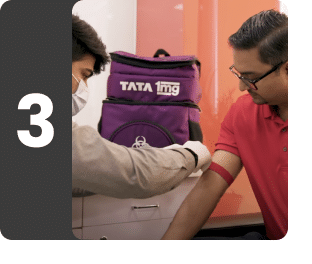
Safe collection
Safe collection
Our phlebotomists follow strict safety protocols to collect samples at home on time.

Sample received at lab
Your sample is bought to our laboratory for testing by our qualified experts.

Quick reports, free follow up
Reports are sent to your email. A free doctor follow up is provided to understand the report better

FAQs related to Wellness Package Max - Male

The Wellness Package Max - Male is important because it offers comprehensive health screening tailored for a male's unique health needs. It helps detect and monitor conditions related to hormones, blood sugar levels, liver and kidney function, and more. Early detection through these tests allows timely treatment and better health management.
The Wellness Package Max - Male comprises 106 pathology tests (blood and urine tests) that help assess the overall health and wellness in males. The package includes tests like serum calcium, thyroid profile free (T3, T4, TSH), vitamin profile, Erythrocyte sedimentation rate (ESR), Hemoglobin A1c (HbA1c), Potassium random, urine, Complete blood count (CBC), C-reactive protein (CRP), Chloride random, Fasting blood sugar (FBS), HBsAg screening, Serum homocysteine, Lipid profile, Rheumatoid factor, Total IgE, Peripheral smear examination, Lipase, Anti-Nuclear Antibody (ANA) by IFA, Anti-CCP antibody, Lipoprotein A, hsCRP (High Sensitive CRP), Insulin (fasting), Prostate Specific Antigen (PSA) Total, Testosterone total, Urine R/M (Urine Routine & Microscopy), Amylase, Liver function test (LFT), Sodium random, Kidney function test (KFT) with electrolytes, Serum iron studies and Apolipoproteins A1 & B serum.
The frequency of testing depends on your individual health needs, risk factors and your doctor’s discretion. Generally, it is recommended to take these tests annually or as advised by your doctor.
The risks associated with this package are generally minimal. However, some people may experience mild pain or discomfort at the site from where the blood sample is taken, which is usually self-limiting.
Yes, overnight fasting of 8-12 hours is required for this health package.
No, you do not require any prescription before going for the Wellness Package Max - Male. You can book this health package at your convenience.
Recommended for men
This package is designed with men's health considerations in mind, offering targeted assessments to address unique wellness needs and potential risks.
Package contains 106 tests
Serum Calcium
Thyroid Profile Free (FT3, FT4 & TSH) (3)
Thyroxine - Free
Triiodothyronine Free
TSH (Thyroid Stimulating Hormone) Ultrasensitive
Vitamin Profile (3)
Vitamin B12
Vitamin B 9
Vitamin D (25-Hydroxy)
ESR (Erythrocyte Sedimentation Rate)
HbA1c (Hemoglobin A1c)
Potassium Random, Urine
CBC (Complete Blood Count) (21)
Differential Leukocyte Count (5)
Red Blood Cell Count
Hb (Hemoglobin)
Platelet Count
Total Leukocyte Count
Hematocrit
Mean Corpuscular Volume
Mean Corpuscular Hemoglobin
Mean Corpuscular Hemoglobin Concentration
Mean Platelet Volume
PDW
RDW CV
Absolute Leucocyte Count (5)
CRP (C-Reactive Protein), Quantitative
Chloride Random, Urine
FBS (Fasting Blood Sugar)
Hepatitis B Surface Antigen (HBsAg), Rapid Screening Test
Serum Homocysteine
Lipid Profile (8)
Cholesterol - LDL
Triglycerides
Cholesterol - Total
Cholesterol - HDL
Very Low Density Lipoprotein
Total Cholesterol/HDL Cholesterol Ratio
LDL/HDL Ratio
Non HDL Cholesterol
Rheumatoid Factor - Quantitative
Total IgE
PSA (Prostate Specific Antigen) Total
Peripheral Smear Examination
Lipase
Anti-Nuclear Antibody (ANA) by IFA - End Point Titer
Anti-CCP Antibody
Lipoprotein A
hsCRP (High Sensitive CRP)
Insulin, Fasting
Urine R/M (Urine Routine & Microscopy) (19)
Urobilinogen
Ketone
Nitrite
Colour
Appearance
Specific Gravity
Pus Cell
Epithelial Cell
Casts
Crystals
Protein Urine
Ph for Urine
Urine Glucose
Yeast
Red Blood Cells
Leucocyte Esterase
Blood
Bilirubin
Bacteria
Amylase
Testosterone Total
LFT (Liver Function Test) (11)
Gamma Glutamyl Transferase
SGPT
Alkaline Phosphatase (ALP)
SGOT
Protein Total, Serum (4)
Bilirubin (Total, Direct and Indirect) (3)
Sodium Random Urine
KFT with Electrolytes (Kidney Function Test with Electrolytes) (8)
Serum Creatinine
Uric Acid
Blood Urea Nitrogen
BUN/Creatinine Ratio
Blood Urea
Sodium
Chloride
Potassium
Serum Iron Studies Comprehensive (5)
Serum Ferritin
Total Iron Binding Capacity
Iron, Serum
Unsaturated Iron Binding Capacity
Transferrin Saturation
Apolipoproteins A1 & B Serum (3)
Apolipoprotein B/A1 Ratio
Apolipoprotein - A1
Apolipoprotein - B
Microalbumin Creatinine Ratio, Urine (3)
Microalbumin / Creatinine Ratio
Urinary Creatinine
Microalbumin
Report delivery
Standard time
48 hrs
For slots after 11 AM, report will be delivered in 48 hours.
Samples required

Blood
Our phlebotomist will draw a blood sample, typically from a vein in your inner elbow.

Urine
Our phlebotomist will provide a clean, sterile container for you to collect a urine sample.
Preparations
1
Overnight fasting (8-12 hrs) is required. Do not eat or drink anything except water before the test.
2
Avoid iron supplements for at least 24 hours prior to sample collection.
3
Do not stop taking your thyroid medications on the day of the test unless otherwise advised by the doctor.
4
Do not give sample within 7 days of Digital Rectal Examination (DRE) or Rectal Prostatic Ultrasonography.
5
It is advisable to avoid sexual intercourse, ejaculation, and vigorous exercise for up to 48 hours before sample collection.
6
Prostate biopsy causes a substantial elevation of the PSA levels. Talk to your doctor about the appropriate timing of the test.
7
Collect a First morning/Random urine sample in a sealed and sterile screw-capped container provided by our sample collection professional. Blood contaminated and highly turbid samples are not acceptable. (First morning sample is preferred).
Why is this package booked?
1
As part of routine health check-up to assess overall health in males.
2
To check for key markers including blood sugar levels, liver, kidneys,heart and thyroid function, cholesterol levels, enzymes, infections, inflammation, allergy, antibodies and iron levels.
3
To detect and diagnose diseases of the prostate gland, like benign prostatic hyperplasia (BPH) or prostatitis.
4
In males who experience symptoms of hormonal imbalance, such as low libido, fatigue, mood disturbances, and muscle weakness.
5
To identify potential health problems early.
6
If you have risk factors such as a family history of diabetes, heart disease, thyroid disorders, obesity, or high blood pressure.
7
To check the treatment response or monitor any pre-existing disease.
Who's behind your sample collection?

About Phlebotomist
Play
Tata 1mg Phlebotomist
icon
MEET YOUR PHLEBO
icon
Certified Professionals
Certified & experienced professionals
Tata 1mg phlebotomists are DMLT / B.Sc MLT certified and have 1+ years of experience

Best collections
Best in-class collections
Tata 1mg phlebotomists are trained for painless, single-prick hygienic sample collection

Expertise
Comprehensive expertise
Other than sample collection, our phlebos are also skilled in first aid, ECG & BP monitoring
frame icon
WHAT OUR CUSTOMERS ARE SAYING
frame icon
Despite of very heavy rains, reached on time and did the work very professionally
~ Rahul Shrivastava

double quote icon
It didn't pain a 7 year old and hats off to the collector for being kind and extremely kid friendly
~ Khushnuma
double quote icon
Very nice person and soft spoken. I felt good talking to him even when I am in fever
~ Sourabh
double quote icon
New gloves new everything for each person, it's brilliant how meticulous and detailed your SOPs are.
~ Anita
double quote icon
My mother's veins are thin and slippery and hard to locate but Mohammed Usmani got it so fast, no pain
~ Rama Sampath
double quote icon
No pain at all while collecting blood sample. Fast, quick and properly trained staff.
~ Monalithatte
double quote icon
Sample collection agents was very professional and quick he was so organised with everything
~ Vaishali

double quote icon
Footer