How can we help?
Triiodothyronine Total

Triiodothyronine Total

For men & women
Know more about this test

The Triiodothyronine (T3) Total test is used to measure Triiodothyronine (T3) hormone in the blood. T3 hormone, secreted by the thyroid gland is essential for growth and metabolism.
The test helps in the evaluation of thyroid gland function, diagnosis of thyroid disease, including hyperthyroidism and hypothyroidism. It also helps in monitoring treatment efficacy in patients with thyroid disease.
A high T3 level may indicate hyperthyroidism which can give rise to symptoms like weight loss, rapid heartbeat, tremors, anxiety, and increased sensitivity to heat. A decreased production of T3 hormone may be indicative of hypothyroidism which may cause symptoms like weight gain, fatigue, increased sensitivity to cold, and slow heart rate.
The T3 levels can be managed by taking medication and possibly making a few dietary and lifestyle changes.

Find out
Why is this test booked?
Preparation for this test
Sample Collection
Who will collect your samples?

What does Triiodothyronine Total measure?

Triiodothyronine (T3) Total Test measures the total levels (both free and bound forms) of Triiodothyronine (T3) hormone in the blood.

The thyroid gland secretes the following hormones:

  • Triiodothyronine (T3)

  • Thyroxine (T4)

Thyroid Stimulating Hormone (TSH) is a hormone secreted into the blood by a gland present in the brain (Pituitary gland) and it tells your thyroid gland to make and release the thyroid hormones (T3 & T4) into your blood. The thyroid gland uses iodine from food to make the thyroid hormones.

The thyroid hormones are essential for growth and metabolism. If the thyroid gland produces very high amounts of these hormones (T3 and T4), you may experience symptoms of weight loss, rapid heartbeat, tremors, sweating, anxiety, increased sensitivity to heat etc. and this is known as Hyperthyroidism.

Also, the decreased production of thyroid hormones (T3 and T4) results in Hypothyroidism which may cause symptoms like weight gain, fatigue, slow heart rate, increased sensitivity to cold, depression, dry and thin hair etc.

There is a feedback system in the body to maintain stable amounts of the thyroid hormones (T3 and T4) in the blood. When thyroid hormone levels decrease, the pituitary gland is stimulated to release TSH. This high TSH in turn leads to the release of more thyroid hormones (T3 & T4) from the thyroid gland and vice-versa.

Majority of the T3 hormone is formed from T4 hormone and a smaller fraction is produced directly by the thyroid gland. T3 hormone circulates in the blood in two forms:

1) Bound form - It is bound to proteins present in blood and this prevents it from entering body tissues. The two main proteins in the blood that the T3 hormone is bound to are albumin and Thyroxine-binding globulin (TBG), also called Thyroid hormone Binding Globulin (THBG).

2) Free form - It enters the body tissues where it is needed and this is the active form. Free Triiodothyronine (FT3) constitutes only 0.3% of the total T3 hormone.

The total T3 includes both bound and free forms circulating in the blood and can be affected by the amount of protein available in the blood to bind to them. The T3 hormone can be measured as Free T3 or Total T3. Triiodothyronine (T3) Total Test measures the total levels (both free and bound forms) of Triiodothyronine (T3) hormone in the blood and is usually done as a part of the Thyroid Profile Total test which includes two more tests: Thyroid Stimulating Hormone (TSH) and Thyroxine Total (T4) hormone.


FAQs related to Triiodothyronine Total

Hyperthyroidism is a condition in which the thyroid gland is overactive and there is an increased production of thyroid hormones by the thyroid gland. Causes of Hyperthyroidism include Graves’ disease, multinodular goiter, thyroid nodules, toxic adenoma, inflammation of the thyroid, eating too much iodine, and too much synthetic thyroid hormone. Diagnosis of this condition can help to relieve the symptoms and prevent long-term complications.
Symptoms of Hyperthyroidism include: Rapid heartbeat (tachycardia) — commonly more than 100 beats/minute — irregular heartbeat (arrhythmia) or pounding of your heart (palpitations), sudden weight loss, nervousness, anxiety, irritability, tremor (usually a fine trembling in your hands and fingers), changes in menstrual patterns, increased sensitivity towards heat, changes in bowel patterns (especially more frequent bowel movements), an enlarged thyroid gland (goiter) which may appear as a swelling at the base of your neck, increased appetite, sweating, fatigue, muscle weakness, sleep disturbances, skin thinning, fine and brittle hair.
Hypothyroidism, also called underactive thyroid or low thyroid is a condition in which the thyroid gland does not produce enough thyroid hormones. It can be commonly caused by intake of low iodine diet or Hashimoto's thyroiditis (an autoimmune disease). Less common causes include previous treatment with radioactive iodine, injury to the pituitary gland which secretes TSH, intake of certain medicines, previous thyroid surgery, or a lack of a functioning thyroid gland at birth.
Hypothyroidism can cause symptoms such as tiredness (fatigue), hoarseness, constipation, feeling cold, dry skin, dry and thin hair, puffy face, weight gain, and muscle weakness. Along with that, one may experience decreased sweating, depression, slowed heart rate, increased blood cholesterol levels, pain, and stiffness in your joints, impaired memory, problems of infertility or menstrual changes, muscle stiffness, aches, and tenderness.
There is no risk associated with the test. However, since this test involves a needle prick to withdraw the blood sample, in very rare cases, a patient may experience increased bleeding, hematoma formation (blood collection under the skin), bruising or infection at the site of needle prick.
An untreated hyperthyroidism during pregnancy can lead to miscarriage, premature birth, low birth weight of the baby, preeclampsia (a very high rise in blood pressure in late pregnancy), thyroid storm (a sudden, severe worsening of symptoms of hyperthyroidism) and congestive heart failure.
An untreated hypothyroidism during pregnancy can cause preeclampsia (a very high rise in blood pressure in late pregnancy), anemia, miscarriage, low birth weight of the baby, stillbirth (death or loss of a baby before or during delivery) and rarely, congestive heart failure. These problems are noticed mostly as a result of severe hypothyroidism. The mother’s thyroid hormones play an important role in the development of the baby’s brain and nervous system. Untreated hypothyroidism, especially during the first trimester can cause low IQ and can hinder the baby’s normal development.

No special preparation is required for this test. Inform the doctor about the medications you are taking as some medications like Corticosteroids, estrogen, progesterone, birth control pills, Lithium, Amiodarone etc. might interfere with the test results. A recent X-ray with iodine dye (contrast) or test using radioactive materials may also affect the results.
Your doctor may order the following tests: Thyroid stimulating hormone (TSH) test, T3 Free hormone test and Thyroid profile.

Triiodothyronine Total test price for other cities

Price inAhmedabadRs. 180
Price inAllahabadRs. 189
Price inBangaloreRs. 189
Price inBhopalRs. 189
Price inChandigarhRs. 189

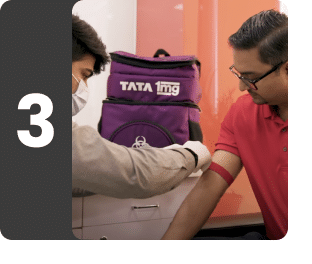
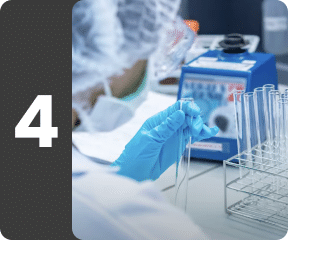
How does home sample collection work?

Download the Tata 1mg app. Trusted healthcare, at your fingertips.

Book tests, track reports, and get AI-powered health insights.

or
Contains 1 test
Triiodothyronine Total