Sign in to your account
or
By signing in you agree to our
Terms & conditions
 and 
Privacy policy

Stress Impact Checkup for Men

Also referred as
Men's Stress Impact Checkup
For men
Earliest reports in
48 hours
Contains
44 tests

Package price:
₹2999
₹5998
50% off
Know more about this test
<font color='#864291'>Know more about this test</font>

The Stress Impact Checkup for Men is a comprehensive health assessment tailored to evaluate how stress affects various physiological functions and overall well-being in men. This checkup includes a range of blood tests to assess various metabolic, hormonal, and organ functions, aiming to identify stress-related health concerns.

Find out
Why is this package booked?

Preparations
Overnight fasting required for 8 to 12 hours

Sample Collection
Who will collect your samples?
Conducted by

know_more_icon
Tata 1mg Labs
NABL certified, ISO certified
chevron
most trusted lab
Accredited labs
Highly skilled Phlebos
Verified reports
Who will collect your samples?
Tata 1mg certified phlebotomists
View phlebo details
Know more about lab
Tata 1mg Labs (Tata 1mg Technologies Private Limited)
ISO 9001:2015
NABL certified, ISO certified
About this lab
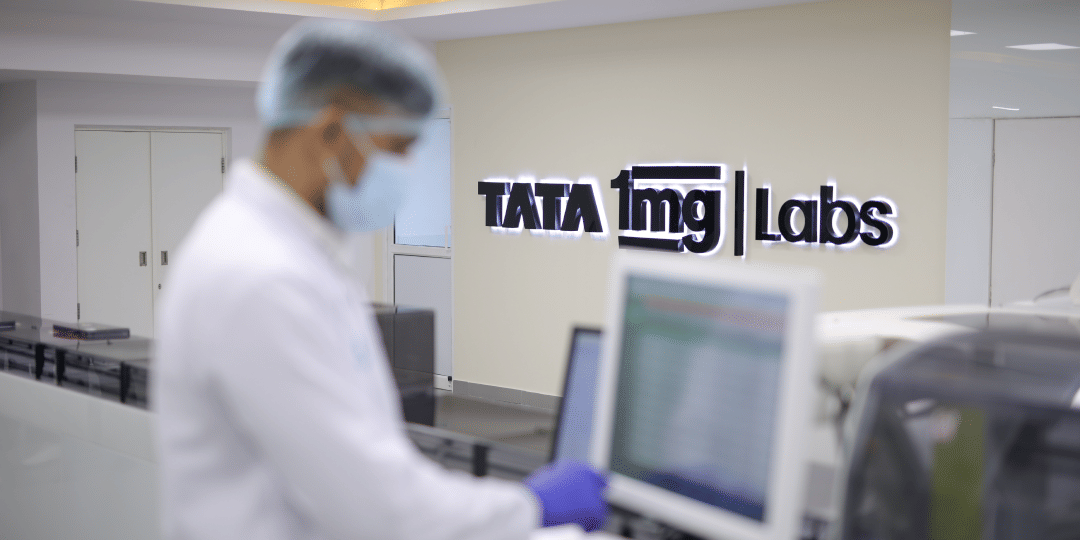
TATA 1mg labs is a state-of-art facility offering the highest quality diagnostic services at the convenience of your doorstep. We pride ourselves on three things 1) Assured Quality 2) Best Prices 3) Excellent Turn Around Time. We believe in providing the highest level of transparency to our customers. Testimony to the quality is the ISO certification, a gold standard in the quality of diagnostics. Our entire team is dedicated to providing the best customer experience and continuously strives to come up with solutions to remain in line with the needs of our customers.
See more

Understanding Stress Impact Checkup for Men

Stress management is vital for maintaining overall health and preventing long-term complications. The stress impact checkup for men offers a thorough evaluation of physiological markers influenced by stress which can trigger a cascade of hormonal and metabolic changes, influencing from blood sugar levels to immune function. Over time, these changes can contribute to the development of chronic conditions such as diabetes, cardiovascular diseases, and other hormonal disorders. This checkup includes a range of essential tests to evaluate the impact of stress on different aspects of health in men.

The Stress Impact Checkup for Men includes tests such as vitamin B12 to assess nutritional status, which can be impacted by chronic stress; complete blood count (CBC) test to provide an overview of overall blood health, helping to identify any changes in blood cell counts that might be influenced by stress; erythrocyte sedimentation rate (ESR) test to detect inflammation, which can be a response to prolonged stress; diabetes Screening (HbA1C & fasting sugar) test to monitor blood sugar levels, as stress can affect glucose metabolism and potentially lead to diabetes or worsen existing conditions; lipid profile assesses cholesterol and triglyceride levels, as chronic stress can impact cardiovascular health; vitamin D (25-Hydroxy) levels are checked since stress can influence Vitamin D metabolism and overall immune function; cardiac risk markers are also evaluated to gauge potential stress-related cardiovascular risks and thyroid profile (T3, T4, TSH) is measured since thyroid function can be influenced by stress, impacting metabolism and overall health. Additionally, this package also tests for various hormones, including cortisol test (morning sample), a key hormone that helps assess the body’s stress response, as abnormal levels can indicate chronic stress or adrenal issues and testosterone total test to see how stress might affect sexual and reproductive health in men.

Few special preparations need to be considered before undertaking the Stress Impact Checkup for Men. You are required to submit all the samples that are a part of this package during the sample collection itself. It is noteworthy that the  Stress Impact Checkup for Men test is usually conducted in the morning for accurate test results.

Lab results may vary, and abnormal findings should always be interpreted by a doctor for appropriate guidance. The information gathered from these tests allows doctors to offer targeted recommendations, including dietary modifications, exercise regimens, stress management techniques, and potential medical interventions if necessary.

See more

What does Stress Impact Checkup for Men measure?

Contains 44 tests

The stress impact checkup for men includes a comprehensive assessment of various health markers to understand how stress affects the body. It includes vitamin B12 and vitamin D (25-hydroxy) test, complete blood count (CBC) and erythrocyte sedimentation rate (ESR) tests, diabetes screening (HbA1C and fasting blood sugar), cortisol test (morning sample), lipid profile, cardiac risk markers, testosterone total test, and thyroid profile (T3, T4, TSH). These tests provide a holistic view of how stress impacts on metabolic, hormonal, and overall health, guiding effective stress management.

By identifying potential problems early and providing personalized stress management strategies, the Stress Impact Checkup for Men supports overall well-being and helps men build long-term health and resilience.

A Diabetes Screening (HbA1C & Fasting Sugar) test includes a glycosylated hemoglobin test and a glucose-fasting blood test. The glycosylated hemoglobin test measures the percentage of glycosylated hemoglobin in the blood, while a glucose-fasting blood test measures the glucose level during fasting. Glucose is the main form of sugar utilized by the body to release energy; it is absorbed by the intestine and distributed to all organs through blood. These tests help your doctor to monitor your blood sugar levels and manage your diabetes well. 

Know more about Diabetes Screening (HbA1C & Fasting Sugar)

Cortisol is a hormone secreted by the adrenal glands that help in the metabolism of carbohydrates, fats, and proteins. It also plays a regulatory role in maintaining blood sugar levels, water balance of the body. It is also essential in the maintenance of a healthy immune system. Cortisol mainly remains bound to proteins, and only a small portion remains free and metabolically active.

Level of cortisol hormone rises and falls during the course of a day following a diurnal pattern (sleeping/rotational pattern). These levels are highest in the early morning, drops slowly throughout the day reaching its lowest around midnight, and again rises slowly through the night to reach its highest early next morning. This diurnal pattern of cortisol secretion is maintained by the hypothalamus in the brain and pituitary gland located just below the brain. Fall in the blood cortisol levels affects the production of Corticotropin-Releasing Hormone (CRH) from the hypothalamus. CRH stimulates the pituitary gland to secrete Adrenocorticotropic Hormone (ACTH), which in turn stimulates the production of cortisol from the adrenal glands to increase cortisol levels in the blood. Cortisol levels are regulated by a feedback mechanism. When cortisol levels rise to the required levels it stops the secretion of CRH which generates from the hypothalamus. This, in turn, stops ACTH secretion from the pituitary, thereby stopping cortisol secretion from the adrenal glands. Symptoms associated with increased or decreased levels of cortisol hormone appear when this feedback mechanism is disturbed due to diseases or lifestyle.


Know more about Cortisol, Serum (Morning Sample)

Testosterone is a sex hormone which is mainly found in men. It can also be found in women but in small amounts. The appearance of male physical characteristics is due to testosterone hormone. Testosterone Total measures the levels of testosterone in the blood. 

In men, testosterone is produced by the Leydig cells present in the testicles. It is also produced by the adrenal glands in both males and females. In females, small amounts of testosterone are produced by the ovaries. 

The function of testosterone is to develop secondary sex characteristics which include enlargement of the penis, body hair growth, development of muscle, and deepening of the voice. During puberty, it is produced in large amounts in males. In adult males, its function is to regulate the sex drive and to maintain muscle mass. In adult females, the testosterone gets converted to estradiol, which is the main sex hormone in females.

The testosterone hormone production is regulated by luteinizing hormone (LH), which is produced by the pituitary gland. As the levels of testosterone rise, the production of LH decreases which in turn slows down the production of testosterone. Similarly, when the levels of testosterone fall, it leads to an increase in production of LH which stimulates testosterone production.

The levels of testosterone are highest in the early morning and lowest in the evening. With exercise, the levels of testosterone increase and with age the levels decrease. 

In the blood, about two-thirds of testosterone hormone is bound to sex-hormone binding globulin (SHBG) and about one-third is bound to albumin. A small amount is present as free testosterone. 


Know more about Testosterone Total

The Lipid Profile Test typically measures the levels of total cholesterol, HDL cholesterol, LDL cholesterol, and triglycerides. Other results that may be reported include VLDL cholesterol, non-HDL cholesterol, and total cholesterol to HDL cholesterol ratio.

Lipids are fatty acids which store energy for the body and play essential roles in cellular structure and cell signaling. Cholesterols and triglycerides are essential lipids, carried in the blood by lipoprotein particles made up of cholesterol, triglycerides, proteins and phospholipid molecules. The lipoprotein particles are classified according to their densities into High Density Lipoproteins (HDL), Low Density Lipoproteins (LDL), and Very Low Density Lipoproteins (VLDL).

Cholesterol is a fat-like substance formed in the liver, as well as obtained from dietary sources. It is found in all the cells and is an essential part of the structural framework of the cells apart from performing various vital body processes. However, excess cholesterol is harmful. Increased cholesterol in blood can cause it to get deposited on the inner walls of the blood vessels forming plaque.

Triglycerides are the commonest type of fat in the body. Triglycerides are obtained from dietary sources and form the stored fat in adipose tissues. Increase in triglyceride concentration can also give rise to cardiovascular diseases.

High Density Lipoproteins or HDLs are high density particles which help to reduce the chances of cardiovascular diseases by picking up and carrying lipoprotein particles of lower density to the liver for disposal.

Low Density Lipoproteins or LDLs are lipoprotein particles of low density which carry cholesterol to the tissues. Cholesterol carried by LDLs easily comes out of blood and get deposited on the inner walls of the blood vessels, increasing the chances of cardiovascular diseases.

Very Low Density Lipoproteins or VLDLs are lipoprotein particles of very low density which carry triglycerides to the tissues. Excess triglycerides in blood causes increase in VLDL particles which in turn again increases the chance of developing cardiovascular diseases.

Plaque deposition makes the lumen of the blood vessels narrower thereby preventing proper flow of blood and may stop the flow completely. Excessive plaque deposition can also cause the arteries to harden, giving rise to a condition called Atherosclerosis. Improper flow of blood prevents the supply of nutrients and oxygen to the vital organs and may cause heart attack or stroke.


Know more about Lipid Profile

  • Cholesterol - LDL

  • The cholesterol LDL test measures the levels of cholesterol LDL in the blood. LDL also known as low-density lipoprotein carries cholesterol in the blood. It consists mainly of cholesterol, similar other substances, and a small amount of protein. 


     It is very important to monitor and maintain healthy levels of lipids for staying healthy. Intake of foods that are high in saturated fats and trans unsaturated fats can raise the levels of cholesterol in the blood. The extra cholesterol gets deposited in plaques on the walls of blood vessels. This may result in atherosclerosis  (hardening of the arteries). It can also increase the risk of various other health problems such as heart disease and stroke.

    The cholesterol LDL is known as “bad cholesterol” as it gets deposited in the vessels as plaque, giving rise to cardiovascular diseases. The cholesterol HDL which is the high-density lipoproteins cholesterol is known as “good cholesterol” as its role is to transport cholesterol from the arteries to the liver and thus protects the body against heart diseases.

    The cholesterol LDL test helps in determining the risk of heart disease in an individual. It also helps in planning out the treatment considering other known risk factors as well. The treatment can involve changes in lifestyle such as diet and exercise or lipid-lowering medications such as statins.


  • Triglycerides

  • Triglycerides test measures the levels of triglycerides in the blood.

    Triglycerides are a type of body fat (lipid). Chemically, triglycerides consist of three ("tri-") molecules of fatty acid combined with a molecule of the alcohol glycerol ("-glyceride").

    High levels of triglycerides in the blood have been linked to atherosclerosis which increases the risk of heart disease (Coronary Artery Disease), peripheral artery disease, stroke and kidney disease. Atherosclerosis is a disease in which plaque (made up of fat, cholesterol, calcium, and other substances) builds up inside the arteries (blood vessels) resulting in narrowing of the lumen. This restricts the flow of blood to the organs and other parts of the body. Signs and symptoms of atherosclerosis usually do not appear until severe or total blockage of the artery (blood vessel). Therefore, most people are not aware of atherosclerosis until they have a medical emergency, such as a heart attack or stroke.

    Increased levels of triglycerides may also be seen in Metabolic syndrome (cluster of metabolic risk factors for cardiovascular disease, type 2 diabetes and stroke). Very high triglyceride levels can also cause inflammation of the pancreas (pancreatitis).

    Triglycerides test is usually done as a part of lipid profile which includes other tests like cholesterol, HDL (High-density lipoprotein), LDL (Low-density lipoprotein), VLDL (Very low-density lipoprotein) also.

  • Cholesterol - Total

  • Cholesterol is essential for life, as it is required by the body to work properly. It plays a role in the formation of cell membranes in all organs and tissues in the body. It is associated with the formation of hormones which are important for development, growth, and reproduction. It forms bile acids, which help to absorb nutrients from food. 

    In the blood, a small amount of cholesterol circulates in the form of lipoproteins which contains protein, cholesterol, triglyceride, and phospholipid molecules. These are classified according to their density into HDL (high-density lipoproteins), LDL (low-density lipoproteins), and VLDL (very low-density lipoproteins). HDL cholesterol is also known as good cholesterol, as it carries excess cholesterol away for disposal while LDL cholesterol is also known as bad cholesterol, as it deposits cholesterol in tissues and organs. 

    It is important to maintain and monitor the levels of cholesterol for a healthy lifestyle. The source of cholesterol is diet as well. If a person is taking too much of cholesterol-rich foods, it can cause a rise in levels of cholesterol in the blood. The amount of cholesterol which is not required by the body starts to deposit in the form of plaques on the walls of blood vessels. These plaques can narrow or block the blood vessels opening which can lead to the hardening of arteries known as atherosclerosis. Also, with an increase in cholesterol levels, there is an increased risk of various conditions such as heart disease and stroke. 


  • Cholesterol - HDL

  • Very Low Density Lipoprotein

  • Total Cholesterol/HDL Cholesterol Ratio

  • LDL/HDL Ratio

  • Non HDL Cholesterol

Apolipoprotein A-I (apo A-I) is a protein that plays an important role in the transportation and metabolism of lipids and is the main protein component in high-density lipoprotein. Apo A-I is ordered in someone who has a personal or family history of abnormal lipid levels and/or premature cardiovascular disease. It may be ordered when your doctor is trying to determine the cause of a person's high cholesterol.

High sensitive CRP: High sensitive C reactive protein is a test that measures the amount of C reactive protein in the blood. The level of this marker is elevated in cases of inflammation in the body. This test can evaluate your risk of heart diseases such as coronary artery disease.

Apolipoprotein B/ Apolipoprotein A1 Ratio helps in evaluating your risk of developing cardiovascular disease (CVD); It is also used to monitor treatment for high cholesterol. This test is not widely used for a screening test but may be ordered if a person has a family history of heart disease and/or high cholesterol and triglycerides (hyperlipidemia).  

Lipoprotein B is a marker that has been proven to indicate a person's chance of having a cardiovascular event such as a heart attack or stroke. 

Apolipoprotein B is ordered along with an apo A-I or other lipid tests, when a healthcare practitioner is trying to evaluate someone's risk of developing CVD and when a person has a personal or family history of heart disease and/or abnormal lipid levels, especially when the person has significantly elevated triglyceride levels.
 

Know more about Cardiac Risk Markers

  • Apolipoprotein - A1

  • Apolipoprotein - B

  • Apolipoprotein B/A1 Ratio

Vitamin B12 is a part of B complex of vitamins. Vitamin B12 is also called as Cobalamin. It is a water soluble vitamin. Vitamin B12 plays an important role in formation of normal red blood cells, repair of tissues, DNA synthesis and genetic material in cells. It is not produced in the body and has to be taken in diet. The diet sources include red meat, fish, milk, poultry, yoghurt, eggs, fortified cereals, breads and other grain products. It can also be taken in the form of Vitamin B12 tablets or multivitamin pills. The deficiency of Vitamin B12 results in macrocytic anemia (size of red blood cells larger than normal).

Megaloblastic anemia is a type of macrocytic anemia, in which large size red blood cells called as macrocytes are produced. These red blood cells are fewer in number. There is a decrease in white blood cell count and platelet count. Megaloblastic anemia occurs due to acquired deficiency of Vitamin B12. The reason can be an inadequate dietary intake of Vitamin B12 or any problem in the absorption of Vitamin B12 from the intestines.

In case of problem in the absorption of Vitamin B12 from intestines, it is known as Pernicious anemia. It occurs due to lack of intrinsic factor which is present in secretions of the stomach.

Vitamin B12 is also important for nerve health and is taken as a nutritional supplement for the treatment of nerve damage.

Vitamin B12 binds with intrinsic factor (protein secreted by cells in the stomach). After binding, a complex is formed which is absorbed by the small intestine. In case of any disease interfering in this process can cause weakening of absorption of Vitamin B12.   

Know more about Vitamin B12

Did you find information useful ?
yesYES (3)
noNO

Stress Impact Checkup for Men test price for other cities

Book a Stress Impact Checkup for Men test at home near me

Easy online booking
Easy online booking
Search for tests and packages, book a time and select address for seamless at-home lab tests.

Live tracking of phlebotomist
Stay informed with live tracking of our phlebotomist's location for seamless sample collection.
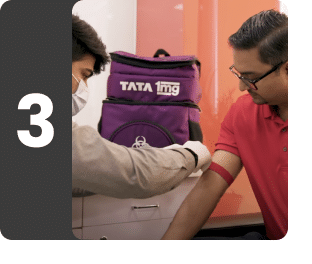
Safe collection
Safe collection
Our phlebotomists follow strict safety protocols to collect samples at home on time.

Sample received at lab
Your sample is bought to our laboratory for testing by our qualified experts.

Quick reports, free follow up
Reports are sent to your email. A free doctor follow up is provided to understand the report better

FAQs related to Stress Impact Checkup for Men

The purpose of this package is to assess how chronic stress affects various aspects of a man’s health by evaluating a range of biomarkers. The tests included help identify stress-related health issues and guide appropriate management strategies to mitigate the impact of stress on overall health.
This package includes a wide range of blood tests including vitamin B12 and vitamin D (25-hydroxy), complete blood count (CBC) and erythrocyte sedimentation rate (ESR), diabetes screening (HbA1C and fasting blood sugar), cortisol levels (morning sample), lipid profile, cardiac risk markers, testosterone total, and thyroid profile (T3, T4, TSH).
This checkup is recommended for men experiencing high levels of stress or those with pre-existing health conditions that may be exacerbated by stress. It is also useful for individuals undergoing treatment for stress-related issues to monitor their health and adjust management strategies as needed.
The frequency of testing may vary based on individual health status and goals. Typically, follow-up tests are recommended periodically to monitor progress, adjust treatment plans as needed, and ensure health improvements are sustained over time.
The risks associated with this package are generally minimal. However, some people may experience mild pain or discomfort at the site from where the blood sample is taken, which is usually self-limiting.
No, you do not require any prescription before going for the Stress Impact Checkup for Men. You can book this health package at your convenience.
Abnormal results require professional interpretation by doctors. They will explain the implications of the findings, discuss potential causes, and recommend appropriate interventions or further diagnostic tests. Treatment may involve lifestyle modifications, medications, or specialized therapies depending on the specific health issue identified.
Yes, Tata 1mg Labs Test provides a similar package called stress impact checkup for women.
Tata 1mg ensures accurate lab test results through certified laboratories that use advanced technology and adhere to stringent quality control measures. This commitment to high standards guarantees reliable results.
Recommended for men
This package is designed with men's health considerations in mind, offering targeted assessments to address unique wellness needs and potential risks.
Package contains 44 tests
Diabetes Screening (HbA1C & Fasting Sugar) (2)
FBS (Fasting Blood Sugar)
HbA1c (Glycosylated Hemoglobin)
Cortisol, Serum (Morning Sample)
Testosterone Total
Lipid Profile (8)
Cholesterol - LDL
Triglycerides
Cholesterol - Total
Cholesterol - HDL
Very Low Density Lipoprotein
Total Cholesterol/HDL Cholesterol Ratio
LDL/HDL Ratio
Non HDL Cholesterol
Thyroid Profile Total (T3, T4 & TSH) (3)
Thyroxine - Total (T4)
Triiodothyronine - Total (T3)
TSH (Thyroid Stimulating Hormone) Ultrasensitive
Cardiac Risk Markers (5)
Lipoprotein (a)
hsCRP (High Sensitive CRP)
Apolipoprotein - A1
Apolipoprotein - B
Apolipoprotein B/A1 Ratio
CBC (Complete Blood Count) (21)
Differential Leukocyte Count (5)
Red Blood Cell Count
Hb (Hemoglobin)
Platelet Count
Total Leukocyte Count
Hematocrit
Mean Corpuscular Volume
Mean Corpuscular Hemoglobin
Mean Corpuscular Hemoglobin Concentration
Mean Platelet Volume
PDW
RDW CV
Absolute Leucocyte Count (5)
ESR (Erythrocyte Sedimentation Rate)
Vitamin D (25-Hydroxy)
Vitamin B12
Report delivery
Standard time
48 hrs
For slots after 11 AM, report will be delivered in 72 hours.
Preparations
1
Recommended Timings: Morning: 7-10 am.
Why is this package booked?
1
To evaluate overall health and identify potential issues exacerbated by chronic stress.
2
To early signs of stress-related health issues in men, including chronic fatigue, diabetes, or heart disease.
3
To detect signs of inflammation, or nutritional deficiencies associated with chronic stress.
4
To measure stress hormone (cortisol) levels and assess how well the body responds to stress.
5
To evaluate levels of key hormones like testosterone  to understand how stress is impacting reproductive and sexual health in men.
6
To provide a comprehensive health overview affected by stress and guide tailored lifestyle, dietary, and medical interventions for improving health and managing stress effectively.
7
To motivate individuals to make informed decisions about their health and encourage positive lifestyle changes by focusing on areas of concern.
Who's behind your sample collection?

About Phlebotomist
Play
Tata 1mg Phlebotomist
icon
MEET YOUR PHLEBO
icon
Certified Professionals
Certified & experienced professionals
Tata 1mg phlebotomists are DMLT / B.Sc MLT certified and have 1+ years of experience
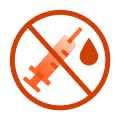
Best collections
Best in-class collections
Tata 1mg phlebotomists are trained for painless, single-prick hygienic sample collection

Expertise
Comprehensive expertise
Other than sample collection, our phlebos are also skilled in first aid, ECG & BP monitoring
frame icon
WHAT OUR CUSTOMERS ARE SAYING
frame icon
Despite of very heavy rains, reached on time and did the work very professionally
~ Rahul Shrivastava

double quote icon
It didn't pain a 7 year old and hats off to the collector for being kind and extremely kid friendly
~ Khushnuma
double quote icon
Very nice person and soft spoken. I felt good talking to him even when I am in fever
~ Sourabh
double quote icon
New gloves new everything for each person, it's brilliant how meticulous and detailed your SOPs are.
~ Anita
double quote icon
My mother's veins are thin and slippery and hard to locate but Mohammed Usmani got it so fast, no pain
~ Rama Sampath
double quote icon
No pain at all while collecting blood sample. Fast, quick and properly trained staff.
~ Monalithatte
double quote icon
Sample collection agents was very professional and quick he was so organised with everything
~ Vaishali

double quote icon
Footer