Sign in to your account
or
By signing in you agree to our
Terms & conditions
 and 
Privacy policy

Perimenopausal Package

Also referred as
Peri-menopausal Checkup
For women
Earliest reports in
24 hours
Contains
40 tests

Package price:
₹2684
₹5198
48% off
Know more about this test
<font color='#864291'>Know more about this test</font>

The Perimenopausal Package is a set of blood tests tailored to evaluate hormonal levels and metabolic health in women approaching menopause. This package assesses key markers that reflect reproductive and overall well-being, providing insight into the transition to menopause.

Find out
Why is this package booked?

Preparations
Overnight fasting required for 8 to 12 hours

Sample Collection
Who will collect your samples?
Conducted by

know_more_icon
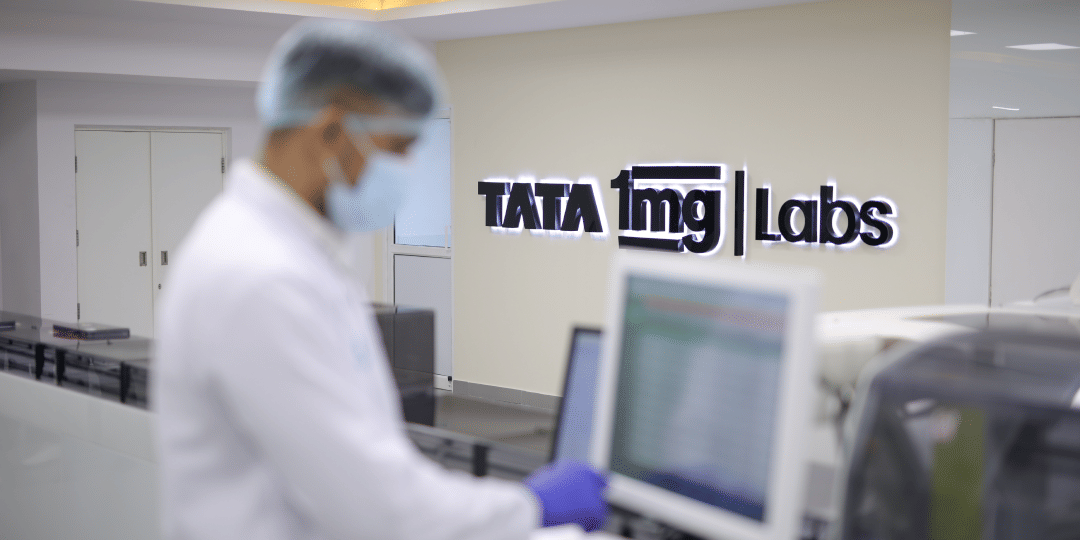
Tata 1mg Labs
NABL certified, ISO certified
chevron
most trusted lab
Accredited labs
Highly skilled Phlebos
Verified reports
Who will collect your samples?
Tata 1mg certified phlebotomists
View phlebo details
Know more about lab
Tata 1mg Labs (Tata 1mg Technologies Private Limited)
ISO 9001:2015
NABL certified, ISO certified
About this lab
TATA 1mg labs is a state-of-art facility offering the highest quality diagnostic services at the convenience of your doorstep. We pride ourselves on three things 1) Assured Quality 2) Best Prices 3) Excellent Turn Around Time. We believe in providing the highest level of transparency to our customers. Testimony to the quality is the ISO certification, a gold standard in the quality of diagnostics. Our entire team is dedicated to providing the best customer experience and continuously strives to come up with solutions to remain in line with the needs of our customers.
See more

Understanding Perimenopausal Package

Perimenopause means "around menopause" and refers to the time during which a woman’s body makes the natural transition to menopause, marking the end of the reproductive years. It usually begins in the mid-40s and may last from ages 45 to 55, although the timing varies from person to person. During this phase, the menstrual cycle and levels of hormones like estrogen and progesterone begin to change. Understanding these hormonal changes is essential, as they can impact both the physical and emotional well-being of women. 

The package features a range of tests, such as AMH (Anti-Mullerian Hormone) to assess ovarian reserve (the number of healthy eggs in women's ovaries). The Estradiol (E2) test measures estrogen levels, a critical hormone that affects various metabolic processes and overall hormonal balance. The Follicle Stimulating Hormone (FSH) test determines ovarian function and can show changes in fertility as women approach menopause. The Luteinizing Hormone (LH) test provides insight into reproductive hormone balance and ovarian function. The Thyroid Profile Free (FT3, FT4 & TSH) assesses thyroid function, vital for regulating metabolism, energy levels, and mood. The Serum Calcium and Phosphorus tests evaluate mineral balance, which is important for bone health, especially during this transitional phase as hormonal changes (during perimenopause) can affect bone health. The Vitamin D (25-hydroxy) test helps evaluate bone health and immune function during perimenopause. The HbA1c test provides insights into long-term blood sugar control, helping to identify risks for diabetes. The Lipid Profile assesses cholesterol and triglyceride levels to assess cardiovascular health. Additionally, the Complete Blood Count (CBC) test assesses overall health and well-being.

This package is particularly beneficial for women (between 40-55 years) experiencing symptoms related to hormonal imbalances, such as irregular periods, mood swings, or unexplained weight changes. It is also recommended to women who want a clear understanding of their reproductive health and hormonal status, especially those with a family history of hormonal disorders or conditions such as polycystic ovary syndrome (PCOS), as well as women experiencing lifestyle changes that may affect hormonal balance. By addressing these hormonal fluctuations early on, women can implement tailored strategies for managing symptoms and maintaining optimal health during the perimenopausal period.

An overnight fasting (8 to 12 hours) is required for the Perimenopausal Package, along with other preparations depending on the number of tests included in this package. The individual is required to submit all the samples that are part of this package during the sample collection itself. Additionally, inform the doctor about any medications or supplements being taken before undergoing the Perimenopausal Package, as a few of them may affect the test results, potentially requiring adjustments or temporary discontinuation before the test.

Lab test results may vary across different laboratories. Abnormal test results require an expert interpretation. Therefore, never try to self-medicate at home based solely on these results. Always consult a doctor for a proper understanding of the test results. Discuss the symptoms and medical history to help the doctor correlate the clinical and laboratory findings. These details, along with test results, guide doctors in suggesting lifestyle modifications such as diet and exercise. 

See more

What does Perimenopausal Package measure?

Contains 40 tests

The Perimenopausal Package includes a range of blood tests that measure various health parameters critical for women in their perimenopausal phase. This package determines various hormone tests such as Anti-Mullerian Hormone (AMH), Estradiol (E2), Follicle Stimulating Hormone (FSH), and Leuctinizing Hormone (LH). It evaluates thyroid function through tests like Thyroid Profile Free (FT3, FT4, TSH), and metabolic health through tests such as HbA1c, and Lipid Profile. This package also checks for vitamin and mineral tests such as vitamin D (25-hydroxy), Serum Calcium and Phosphorus; along with a Complete blood count (CBC) for overall health assessment. Together, all these tests help identify hormonal imbalances, nutritional deficiencies, and other health issues that could affect the quality of life during this transitional period in women. 

Follicle-stimulating hormone (FSH) is a hormone which is associated with reproduction and the development of eggs in women and sperm in men. This test measures FSH in the blood.

FSH is produced by the pituitary gland, and its production is controlled by a feedback system involving the hypothalamus in the brain, the pituitary gland, and the hormones produced by the ovaries or testicles. The Gonadotropin-releasing hormone (GnRH) from the hypothalamus stimulates the pituitary gland to release FSH and luteinizing hormone (LH; another closely-related hormone also involved in reproduction). FSH affects the growth and maturation of egg follicles in the ovaries during the follicular phase of the menstrual cycle. The menstrual cycle is divided into follicular and luteal phases, each phase lasting for 14 days. During the follicular phase, FSH initiates the production of estradiol by the follicle, and the two hormones work together in the further development of the egg follicle. Near the end of the follicular phase, the production of FSH and luteinizing hormone increases. The release of the egg from the ovary (ovulation) occurs shortly after this increased production of hormones. The hormone inhibin as well as estradiol and progesterone help control the amount of FSH released by the pituitary gland. FSH also facilitates the ability of the ovary to respond to LH. At menopause, ovarian function decreases and eventually ceases which results in increased levels of FSH and LH.

In males, the role of FSH is to stimulate the testicles to produce mature sperms and also promotes the production of androgen binding proteins. FSH levels are relatively constant in men after puberty than in women.

In infants and children, FSH levels rise shortly after birth and then fall to very low levels by 6 months in boys and 1-2 years in girls. Concentrations begin to rise again before the beginning of puberty and the development of secondary sexual characteristics.

 Disorders affecting the hypothalamus, pituitary, and/or the ovaries or testicles can cause the production of too much or too little FSH, resulting in a variety of conditions such as infertility, abnormal menstrual cycles, or early (precocious) or delayed sexual maturation (puberty).


Know more about Follicle Stimulating Hormone

Ph, Serum measures the levels of inorganic phosphates in blood. It is critical in the production and storage of energy as it forms a part of the energy currency of cells (Adenosine tri, di, and monophosphates). It is also a structural component of DNA. It is essential in the functioning of nerves and muscles, and in the growth and maintenance of healthy bones. In blood, phosphates act as buffers to maintain the pH and electrolyte balance of the body.

The main source of phosphorus comes from diet. Once consumed, it is quickly absorbed by the digestive system. In the body, most of the phosphates are bound to calcium in the bones and teeth. Some of it is found in muscles and nerves, and a small amount is present in cells, where it forms a structural component of DNA. Very small amounts of phosphates are normally found in circulation, and these levels are measured with blood phosphorus levels.

Phosphate levels in the blood are maintained within its very narrow normal concentration range by excretion of excess phosphorus through kidneys. Phosphate levels are also dependent on the levels of calcium, Vitamin D and parathyroid hormone in blood.


Know more about Phosphorus, Serum

The Lipid Profile Test typically measures the levels of total cholesterol, HDL cholesterol, LDL cholesterol, and triglycerides. Other results that may be reported include VLDL cholesterol, non-HDL cholesterol, and total cholesterol to HDL cholesterol ratio.

Lipids are fatty acids which store energy for the body and play essential roles in cellular structure and cell signaling. Cholesterols and triglycerides are essential lipids, carried in the blood by lipoprotein particles made up of cholesterol, triglycerides, proteins and phospholipid molecules. The lipoprotein particles are classified according to their densities into High Density Lipoproteins (HDL), Low Density Lipoproteins (LDL), and Very Low Density Lipoproteins (VLDL).

Cholesterol is a fat-like substance formed in the liver, as well as obtained from dietary sources. It is found in all the cells and is an essential part of the structural framework of the cells apart from performing various vital body processes. However, excess cholesterol is harmful. Increased cholesterol in blood can cause it to get deposited on the inner walls of the blood vessels forming plaque.

Triglycerides are the commonest type of fat in the body. Triglycerides are obtained from dietary sources and form the stored fat in adipose tissues. Increase in triglyceride concentration can also give rise to cardiovascular diseases.

High Density Lipoproteins or HDLs are high density particles which help to reduce the chances of cardiovascular diseases by picking up and carrying lipoprotein particles of lower density to the liver for disposal.

Low Density Lipoproteins or LDLs are lipoprotein particles of low density which carry cholesterol to the tissues. Cholesterol carried by LDLs easily comes out of blood and get deposited on the inner walls of the blood vessels, increasing the chances of cardiovascular diseases.

Very Low Density Lipoproteins or VLDLs are lipoprotein particles of very low density which carry triglycerides to the tissues. Excess triglycerides in blood causes increase in VLDL particles which in turn again increases the chance of developing cardiovascular diseases.

Plaque deposition makes the lumen of the blood vessels narrower thereby preventing proper flow of blood and may stop the flow completely. Excessive plaque deposition can also cause the arteries to harden, giving rise to a condition called Atherosclerosis. Improper flow of blood prevents the supply of nutrients and oxygen to the vital organs and may cause heart attack or stroke.


Know more about Lipid Profile

  • Cholesterol - LDL

  • The cholesterol LDL test measures the levels of cholesterol LDL in the blood. LDL also known as low-density lipoprotein carries cholesterol in the blood. It consists mainly of cholesterol, similar other substances, and a small amount of protein. 


     It is very important to monitor and maintain healthy levels of lipids for staying healthy. Intake of foods that are high in saturated fats and trans unsaturated fats can raise the levels of cholesterol in the blood. The extra cholesterol gets deposited in plaques on the walls of blood vessels. This may result in atherosclerosis  (hardening of the arteries). It can also increase the risk of various other health problems such as heart disease and stroke.

    The cholesterol LDL is known as “bad cholesterol” as it gets deposited in the vessels as plaque, giving rise to cardiovascular diseases. The cholesterol HDL which is the high-density lipoproteins cholesterol is known as “good cholesterol” as its role is to transport cholesterol from the arteries to the liver and thus protects the body against heart diseases.

    The cholesterol LDL test helps in determining the risk of heart disease in an individual. It also helps in planning out the treatment considering other known risk factors as well. The treatment can involve changes in lifestyle such as diet and exercise or lipid-lowering medications such as statins.


  • Triglycerides

  • Triglycerides test measures the levels of triglycerides in the blood.

    Triglycerides are a type of body fat (lipid). Chemically, triglycerides consist of three ("tri-") molecules of fatty acid combined with a molecule of the alcohol glycerol ("-glyceride").

    High levels of triglycerides in the blood have been linked to atherosclerosis which increases the risk of heart disease (Coronary Artery Disease), peripheral artery disease, stroke and kidney disease. Atherosclerosis is a disease in which plaque (made up of fat, cholesterol, calcium, and other substances) builds up inside the arteries (blood vessels) resulting in narrowing of the lumen. This restricts the flow of blood to the organs and other parts of the body. Signs and symptoms of atherosclerosis usually do not appear until severe or total blockage of the artery (blood vessel). Therefore, most people are not aware of atherosclerosis until they have a medical emergency, such as a heart attack or stroke.

    Increased levels of triglycerides may also be seen in Metabolic syndrome (cluster of metabolic risk factors for cardiovascular disease, type 2 diabetes and stroke). Very high triglyceride levels can also cause inflammation of the pancreas (pancreatitis).

    Triglycerides test is usually done as a part of lipid profile which includes other tests like cholesterol, HDL (High-density lipoprotein), LDL (Low-density lipoprotein), VLDL (Very low-density lipoprotein) also.

  • Cholesterol - Total

  • Cholesterol is essential for life, as it is required by the body to work properly. It plays a role in the formation of cell membranes in all organs and tissues in the body. It is associated with the formation of hormones which are important for development, growth, and reproduction. It forms bile acids, which help to absorb nutrients from food. 

    In the blood, a small amount of cholesterol circulates in the form of lipoproteins which contains protein, cholesterol, triglyceride, and phospholipid molecules. These are classified according to their density into HDL (high-density lipoproteins), LDL (low-density lipoproteins), and VLDL (very low-density lipoproteins). HDL cholesterol is also known as good cholesterol, as it carries excess cholesterol away for disposal while LDL cholesterol is also known as bad cholesterol, as it deposits cholesterol in tissues and organs. 

    It is important to maintain and monitor the levels of cholesterol for a healthy lifestyle. The source of cholesterol is diet as well. If a person is taking too much of cholesterol-rich foods, it can cause a rise in levels of cholesterol in the blood. The amount of cholesterol which is not required by the body starts to deposit in the form of plaques on the walls of blood vessels. These plaques can narrow or block the blood vessels opening which can lead to the hardening of arteries known as atherosclerosis. Also, with an increase in cholesterol levels, there is an increased risk of various conditions such as heart disease and stroke. 


  • Cholesterol - HDL

  • Very Low Density Lipoprotein

  • Total Cholesterol/HDL Cholesterol Ratio

  • LDL/HDL Ratio

  • Non HDL Cholesterol

Luteinizing hormone is associated with reproduction and ovulation. In females, it stimulates the release of an egg from the ovary. However, in males, testosterone production is dependent on LH. This test helps in measuring the amount of LH present in the blood.

 LH is produced by the pituitary gland, and its production is controlled by the hypothalamus, pituitary gland, and the hormones produced by the ovaries (in women) or testicles (in men).

 In premenopausal women, LH stimulates ovulation and the production of other hormones, estradiol, and progesterone. The menstrual cycle is divided into 2 phases, follicular and luteal phases, each of these last for about 14 days. Near the end of the follicular phase, there is a mid-cycle increase in follicle-stimulating hormone (FSH) and LH. This triggers ovulation. During the luteal phase, LH secretion stimulates the corpus luteum to start producing progesterone. At this point, FSH and LH levels get reduced, while progesterone and estradiol concentrations rise. If the egg is not fertilized, then the levels of these hormones fall after several days followed by the beginning of the next menstrual cycle. With the onset of menopause ovarian function reduces and eventually discontinues, which results in increased levels of FSH and LH.

 In men, LH stimulates Leydig cells in the testicles to produce testosterone. However, LH levels remain relatively constant in men after puberty. A high testosterone level provides negative feedback to the pituitary gland and the hypothalamus, thus decreasing the amount of LH secreted.

 In infants and children, LH levels rise shortly after birth and then fall to very low levels (by 6 months in boys and 1-2 years in girls). At about 6-8 years of age, levels again rise before the beginning of puberty and secondary sexual characteristics development.

Know more about Luteinising Hormone

Did you find information useful ?
yesYES (2)
noNO

Perimenopausal Package test price for other cities

Book a Perimenopausal Package test at home near me

Easy online booking
Easy online booking
Search for tests and packages, book a time and select address for seamless at-home lab tests.

Live tracking of phlebotomist
Stay informed with live tracking of our phlebotomist's location for seamless sample collection.
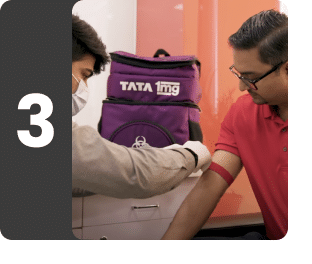
Safe collection
Safe collection
Our phlebotomists follow strict safety protocols to collect samples at home on time.
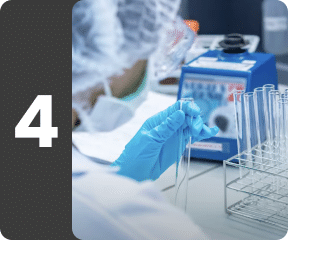
Sample received at lab
Your sample is bought to our laboratory for testing by our qualified experts.

Quick reports, free follow up
Reports are sent to your email. A free doctor follow up is provided to understand the report better

FAQs related to Perimenopausal Package

The Perimenopausal Package is a comprehensive health assessment tailored to evaluate hormonal balance, reproductive health, and overall well-being through a series of specialized blood tests in women approaching menopause.
This health checkup is beneficial for women (between 40-55 years) experiencing symptoms related to hormonal imbalances, such as irregular periods, mood swings, or unexplained weight changes. It helps identify potential health risks and informs personalized care strategies.
The checkup includes tests for AMH (Anti-Mullerian Hormone), Estradiol (E2), Follicle Stimulating Hormone (FSH), Luteinizing Hormone (LH), Thyroid Profile (FT3, FT4, TSH), HbA1c (Hemoglobin A1c), Lipid Profile, Serum Calcium, Serum Phosphorus, Vitamin D (25- hydroxy), and Complete Blood Count (CBC).
Yes, an overnight fasting period of 8 to 12 hours is generally required for reliable test results. It is important to follow your doctor's instructions regarding fasting.
The test results provide insights into hormonal levels, metabolic health, and organ function. Your doctor will explain the implications of these results and how they relate to your health.
Frequency depends on individual health needs, symptoms, and risk factors. Your doctor can advise you on the appropriate schedule based on your specific situation.
If you have a family history of conditions like PCOS, endometriosis, or thyroid disorders, discussion with your doctor is crucial, as it may influence the focus of your checkup and testing.
Management strategies include maintaining a healthy diet, regular exercise, stress reduction techniques (like yoga or meditation), and discussing potential treatment options with your healthcare provider, which may include lifestyle changes or hormone therapy.
Premenopause refers to the time before noticeable menopausal symptoms begin, while perimenopause is the transitional phase leading to menopause, characterized by more pronounced hormonal changes and irregular periods.
Tata 1mg ensures accurate lab test results through certified laboratories that use advanced technology and adhere to stringent quality control measures. This commitment to high standards guarantees reliable results.
Recommended for women
This package is designed with women's health considerations in mind, offering targeted assessments to address unique wellness needs and potential risks.
Package contains 40 tests
Serum Calcium
Thyroid Profile Free (FT3, FT4 & TSH) (3)
Thyroxine - Free (FT4)
Triiodothyronine - Free (FT3)
TSH (Thyroid Stimulating Hormone) Ultrasensitive
HbA1c (Glycosylated Hemoglobin)
AMH (Anti-Mullerian Hormone)
CBC (Complete Blood Count) (21)
Differential Leukocyte Count (5)
Red Blood Cell Count
Hb (Hemoglobin)
Platelet Count
Total Leukocyte Count
Hematocrit
Mean Corpuscular Volume
Mean Corpuscular Hemoglobin
Mean Corpuscular Hemoglobin Concentration
Absolute Leucocyte Count (5)
Mean Platelet Volume
PDW
RDW CV
E2 (Estradiol)
Follicle Stimulating Hormone
Phosphorus, Serum
Lipid Profile (8)
Cholesterol - LDL
Triglycerides
Cholesterol - Total
Cholesterol - HDL
Very Low Density Lipoprotein
Total Cholesterol/HDL Cholesterol Ratio
LDL/HDL Ratio
Non HDL Cholesterol
Vitamin D (25-Hydroxy)
Luteinising Hormone
Report delivery
Standard time
24 hrs
For slots after 11 AM, report will be delivered in 24 hours.
Preparations
1
For AMH: If you take hormonal birth control pills, consult your doctor as they can interfere with the results.
Why is this package booked?
1
To assess hormonal levels related to ovarian function and menopause onset.
2
To evaluate overall reproductive health and fertility potential.
3
To identify thyroid dysfunction that could impact energy and mood.
4
To monitor bone health markers, particularly vitamin D, calcium, and phosphorus levels.
5
To detect potential blood sugar imbalances and assess cardiovascular risk.
6
To provide a comprehensive view of health, facilitating personalized recommendations for lifestyle and treatment.
Who's behind your sample collection?

About Phlebotomist
Play
Tata 1mg Phlebotomist
icon
MEET YOUR PHLEBO
icon
Certified Professionals
Certified & experienced professionals
Tata 1mg phlebotomists are DMLT / B.Sc MLT certified and have 1+ years of experience
Best collections
Best in-class collections
Tata 1mg phlebotomists are trained for painless, single-prick hygienic sample collection

Expertise
Comprehensive expertise
Other than sample collection, our phlebos are also skilled in first aid, ECG & BP monitoring
frame icon
WHAT OUR CUSTOMERS ARE SAYING
frame icon
Despite of very heavy rains, reached on time and did the work very professionally
~ Rahul Shrivastava

double quote icon
It didn't pain a 7 year old and hats off to the collector for being kind and extremely kid friendly
~ Khushnuma
double quote icon
Very nice person and soft spoken. I felt good talking to him even when I am in fever
~ Sourabh
double quote icon
New gloves new everything for each person, it's brilliant how meticulous and detailed your SOPs are.
~ Anita
double quote icon
My mother's veins are thin and slippery and hard to locate but Mohammed Usmani got it so fast, no pain
~ Rama Sampath
double quote icon
No pain at all while collecting blood sample. Fast, quick and properly trained staff.
~ Monalithatte
double quote icon
Sample collection agents was very professional and quick he was so organised with everything
~ Vaishali

double quote icon
Footer