Sign in to your account
or
By signing in you agree to our
Terms & conditions
 and 
Privacy policy

Niva Bupa HBV4 C Package

For men & women
Earliest reports in
48 hours
Contains
22 tests

Package price:
₹950
Know more about this test
<font color='#864291'>Know more about this test</font>

It is well known that ‘prevention is better than cure’ and this package is designed specifically for that purpose. It includes a unique diagnostic profile of tests for a comprehensive health evaluation at an early age. It screens the most common health conditions.

Note:-

This health checkup package is available only for customers having an active Niva Bupa health insurance policy.

Samples required
Blood 2

Preparation for this package

Sample Collection
Who will collect your samples?
Conducted by

know_more_icon
Tata 1mg Labs
NABL certified, ISO certified
chevron
most trusted lab
Accredited labs
Highly skilled Phlebos
Verified reports
Who will collect your samples?
Tata 1mg certified phlebotomists
View phlebo details
Know more about lab
Tata 1mg Labs (Tata 1mg Technologies Private Limited)
ISO 9001:2015
NABL certified, ISO certified
About this lab
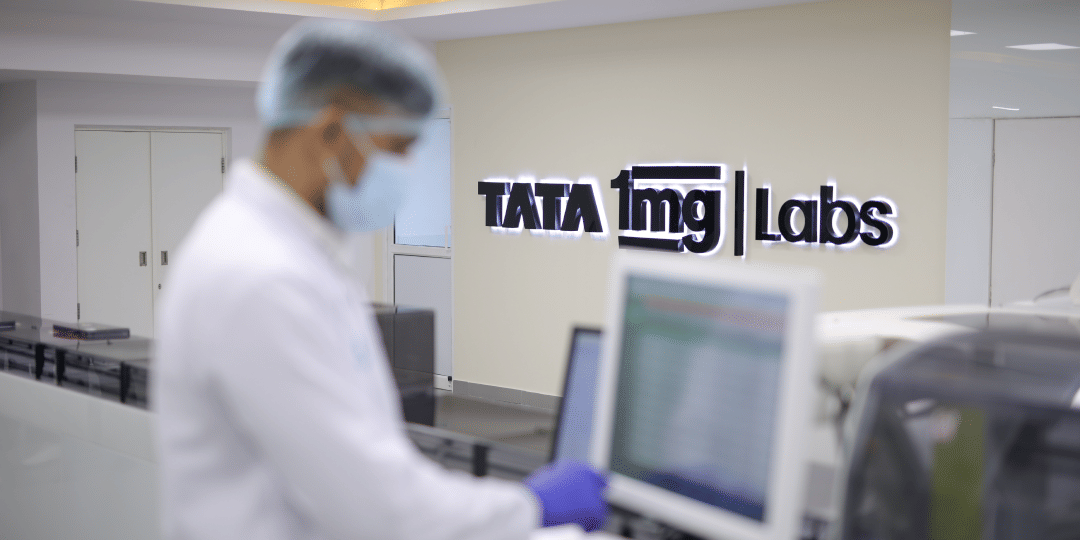
TATA 1mg labs is a state-of-art facility offering the highest quality diagnostic services at the convenience of your doorstep. We pride ourselves on three things 1) Assured Quality 2) Best Prices 3) Excellent Turn Around Time. We believe in providing the highest level of transparency to our customers. Testimony to the quality is the ISO certification, a gold standard in the quality of diagnostics. Our entire team is dedicated to providing the best customer experience and continuously strives to come up with solutions to remain in line with the needs of our customers.
See more

What does Niva Bupa HBV4 C Package measure?

Contains 22 tests

The cholesterol LDL test measures the levels of cholesterol LDL in the blood. LDL also known as low-density lipoprotein carries cholesterol in the blood. It consists mainly of cholesterol, similar other substances, and a small amount of protein. 


 It is very important to monitor and maintain healthy levels of lipids for staying healthy. Intake of foods that are high in saturated fats and trans unsaturated fats can raise the levels of cholesterol in the blood. The extra cholesterol gets deposited in plaques on the walls of blood vessels. This may result in atherosclerosis  (hardening of the arteries). It can also increase the risk of various other health problems such as heart disease and stroke.

The cholesterol LDL is known as “bad cholesterol” as it gets deposited in the vessels as plaque, giving rise to cardiovascular diseases. The cholesterol HDL which is the high-density lipoproteins cholesterol is known as “good cholesterol” as its role is to transport cholesterol from the arteries to the liver and thus protects the body against heart diseases.

The cholesterol LDL test helps in determining the risk of heart disease in an individual. It also helps in planning out the treatment considering other known risk factors as well. The treatment can involve changes in lifestyle such as diet and exercise or lipid-lowering medications such as statins.


Know more about Cholesterol - LDL

The ESR test measures the rate at which red blood cells (erythrocytes) settle (sediment) at the bottom of a tube that contains a blood sample in one hour. The test result is expressed in millimeters per hour (mm/hr).

In the presence of inflammation, certain proteins mainly fibrinogen increase in blood. This high proportion of fibrinogen in the blood causes the red blood cells to form a stack (rouleaux formation) which settle quickly due to their high density.

The ESR test is a non-specific measure of inflammation. An ESR can be affected by conditions other than inflammation also. Although a high ESR can detect the presence of inflammation, it cannot provide any information regarding the cause and site of inflammation. Hence, an ESR test is done along with other tests.

Know more about Erythrocyte Sedimentation Rate

Glycosylated Hemoglobin Test measures the percentage of glycosylated hemoglobin in blood which reflects the average blood glucose over a period of past two to three months (8 - 12 weeks).

Hemoglobin is the protein found in Red Blood Cells and is responsible for transporting oxygen. Of the different types of hemoglobin, Hemoglobin A is predominant. With the elevation of blood sugar levels, some glucose binds spontaneously to Hemoglobin A (this binding is called Glycosylation or Glycation) and remains bound for the complete lifetime of the RBC, which is 120 days normally. Higher the level of glucose in the blood, greater is the amount of it binding to Hemoglobin A. Hemoglobin A1c is the dominant form of Glycated Hemoglobin. As RBCs die and are replaced, Hemoglobin A1c is cleared and slowly replaced with non-glycosylated hemoglobin. Measurement of HbA1c level over a period of time gives an indication of the level of glucose in the blood over the specified period of time. This helps in the diagnosis of Diabetes and is useful for monitoring the effectiveness of measures taken to reduce blood sugar levels.

Know more about Glycosylated Hemoglobin

ppoushsj

Blood Stag is composed of blood cells suspended in blood plasma (yellowish-colored liquid). The blood cells include red blood cells (also called RBCs or erythrocytes), white blood cells (also called WBCs or leukocytes), and platelets (also called thrombocytes).

Red blood cells (RBCs) are the most abundant blood cells. RBCs contain hemoglobin which helps in the transportation of oxygen to the tissues. RBC count is the measurement of the number of RBCs in a given volume of blood.

Packed Cell Volume (PCV) or Hematocrit (Hct) is the measurement of the blood volume occupied by RBCs. It is expressed in percentage.

White blood cells (WBCs) are key components of the immune system and thus protect the body from various infections and cancers. Total Leucocyte count (TLC) is the measurement of the total number of leukocytes (WBCs) in a given volume of blood.

There are five types of WBCs:

  1. Neutrophils

  2. Basophils

  3. Eosinophils

  4. Lymphocytes

  5. Monocytes

Differential Leucocyte Count (DLC) determines the percentage of different types of WBCs.

Neutrophils, Basophils, and Eosinophils are called Granulocytes because of the presence of granules inside these cells.

Absolute count of different types of WBCs is the measurement of their absolute numbers in the given volume of blood.

Platelet count - Platelets (also called thrombocytes) are disc-shaped cell fragments without a nucleus that help in blood clotting. Platelet count is the measurement of the number of platelets in a given volume of blood.

Mean Platelet Volume (MPV) is a measurement of the average size of platelets.

PDW or platelet distribution width refers to the variation of platelet size distribution

Hemoglobin (Hb) -  Hemoglobin (Hb) is a protein found in red blood cells (RBCs) that carries oxygen from the lungs to the body tissues, exchanges the oxygen for carbon dioxide, and then carries the carbon dioxide back to the lungs where it is exchanged for oxygen.

Mean Corpuscular Volume (MCV) is the average volume of a red blood cell.

Mean Corpuscular Hemoglobin (MCH) is the average amount of hemoglobin in the average red blood cell.

Mean Corpuscular Hemoglobin Concentration (MCHC) is the average concentration of hemoglobin in a given volume of red cells.

Red Cell Distribution Width Coefficient of variation (RDW CV)is a measurement of the variability of the red blood distribution curve and their mean size. 

Know more about Complete Blood Count

This further contains

  • Absolute Basophil Count
  • Absolute Lymphocyte Countx

Cholesterol is essential for life, as it is required by the body to work properly. It plays a role in the formation of cell membranes in all organs and tissues in the body. It is associated with the formation of hormones which are important for development, growth, and reproduction. It forms bile acids, which help to absorb nutrients from food. 

In the blood, a small amount of cholesterol circulates in the form of lipoproteins which contains protein, cholesterol, triglyceride, and phospholipid molecules. These are classified according to their density into HDL (high-density lipoproteins), LDL (low-density lipoproteins), and VLDL (very low-density lipoproteins). HDL cholesterol is also known as good cholesterol, as it carries excess cholesterol away for disposal while LDL cholesterol is also known as bad cholesterol, as it deposits cholesterol in tissues and organs. 

It is important to maintain and monitor the levels of cholesterol for a healthy lifestyle. The source of cholesterol is diet as well. If a person is taking too much of cholesterol-rich foods, it can cause a rise in levels of cholesterol in the blood. The amount of cholesterol which is not required by the body starts to deposit in the form of plaques on the walls of blood vessels. These plaques can narrow or block the blood vessels opening which can lead to the hardening of arteries known as atherosclerosis. Also, with an increase in cholesterol levels, there is an increased risk of various conditions such as heart disease and stroke. 


Know more about Cholesterol - Total

Cholesterol - HDL

Urine Routine and Microscopy test involve the three-part evaluation of the urine sample.

1. Gross Examination - It involves the visual examination of the urine sample for color and appearance.

2. Chemical Examination - It is done by urine dip-stick method which involves the use of reagent test strips. These test strips are dipped into the urine sample and the colors that develop are matched with the control for analysis. It is done to examine the urine sample for glucose, protein, pH, specific gravity, blood, nitrites, ketones, leukocyte esterase, bilirubin, and urobilinogen.

3. Microscopic Examination - It involves the examination of the urine sample under the microscope for casts, crystals, cells, bacteria, and yeast. 


Know more about Urine Routine & Microscopy

This further contains

  • Glucose - Fasting Urine
  • Urobilinogen
  • Ketone
  • Nitrite
  • Colour
  • Appearance
  • Specific Gravity
  • Epithelial Cell
  • Casts
  • Crystals
  • Protein Urine
  • Ph for Urine

The kidneys are a pair of bean-shaped organs located on either side of the spinal column in the abdomen towards the back. The kidneys perform a number of important functions. The most important of these is that they filter the blood and separate the waste products generated out of regular metabolic activities of the body, primarily urea. Following the separation, the kidneys excrete the waste products out of the body through urine. They help in maintaining the normal pH level and water balance of the body. The kidneys also play essential roles in the synthesis of Vitamin D and Red Blood Cells (RBCs).

The Kidney Function Test includes the following tests to monitor kidney function:

·  Blood Urea Nitrogen (BUN)/ Urea:

Blood Urea Nitrogen is a test to measure the amount of urea nitrogen present in the blood. Urea is a nitrogenous by-product of the metabolism of protein, and its level in blood serves as an indication of the amount of nitrogen present in blood as urea. In simpler terms, BUN is the measure of the amount of nitrogen present in blood in the form of urea. High BUN levels in the blood can be caused as a result of kidney diseases, dehydration and obstruction in the urinary tract due to kidney stones, prostate gland enlargement, etc.

Urea test measures the level of urea in the blood. Urea is a final waste product formed from the breakdown of proteins. Urea is filtered out of the blood by the kidneys to excrete excess nitrogen present in the blood through urine. Excess of urea in blood is called uremia and can be caused by a number of conditions including kidney diseases.

·  Uric Acid:

This test measures the level of uric acid in the blood. Uric acid is a waste product formed from the breakdown of purines, which are essential building blocks of DNA. It is also produced by the metabolism of proteinaceous food, especially red meat. Uric acid is excreted from the body by the kidneys through urine and a small portion through stool. The uric acid test indicates the level of uric acid in the blood and serves as an indirect estimation of the proper functioning of the kidneys.

The presence of excess amounts of uric acid in the blood is called hyperuricemia, and causes gout due to the accumulation of uric acid crystals in the synovial fluid between joints. Hyperuricemia also causes the formation of hard lumps of uric acid crystals called tophi under the skin and at the top of the ears. Uric acid crystals can also accumulate in the kidneys and cause kidney stones.

·  Creatinine:

This test measures the level of Creatinine in blood. Creatinine is a waste product formed from the normal breakdown of muscles in the body. Creatinine is almost completely excreted by the kidneys, so their levels in the blood serve as an indication of kidney function.

Excess creatinine in the blood can be found due to decreased elimination from the kidneys as well as due to increased creatinine production by muscular breakdown, eating cooked meat, protein supplements, etc.

·  BUN/Creatinine Ratio:

BUN/Creatinine Ratio compares the levels of nitrogen as urea in blood to the levels of creatinine in the blood. This ratio serves as a more accurate representation of kidney function. It is also used to check for dehydration since the BUN level increases in dehydration while creatinine levels remain the same. Low BUN to creatinine ratio can be caused due to a low protein diet, liver cirrhosis, rhabdomyolysis (muscle disease), syndrome of inappropriate antidiuretic hormone secretion (SIADH) as well as during pregnancy.

Know more about Kidney Function Test

This further contains

  • Creatinine
  • Uric Acid
  • Blood Urea Nitrogen (BUN)
Did you find information useful ?
yesYES
noNO

Niva Bupa HBV4 C Package test price for other cities

Price inAhmedabadRs. 950
Price inAllahabadRs. 950
Price inBangaloreRs. 950
Price inBhopalRs. 950
Price inChandigarhRs. 950
Recommended for everyone
This package is designed with everyone’s overall health considerations in mind, offering assessments to address a wide range of wellness needs.
Package can be booked by :
Men
Women
Package contains 22 tests
Cholesterol - LDL
Erythrocyte Sedimentation Rate
Glycosylated Hemoglobin
Complete Blood Count (2)
Absolute Basophil Count
Absolute Lymphocyte Countx
Cholesterol - Total
Cholesterol - HDL
Urine Routine & Microscopy (12)
Glucose - Fasting Urine
Urobilinogen
Ketone
Nitrite
Colour
Appearance
Specific Gravity
Epithelial Cell
Casts
Crystals
Protein Urine
Ph for Urine
Kidney Function Test (3)
Creatinine
Uric Acid
Blood Urea Nitrogen (BUN)
Report delivery
Standard time
48 hrs
For slots after 11 AM, report will be delivered in 48 hours.
Samples required

Blood
Our phlebotomist will draw a blood sample, typically from a vein in your inner elbow.
Preparations
1
Do not eat or drink anything other than water for 8-12 hours before the test
Who's behind your sample collection?

About Phlebotomist
Play
Tata 1mg Phlebotomist
icon
MEET YOUR PHLEBO
icon
Certified Professionals
Certified & experienced professionals
Tata 1mg phlebotomists are DMLT / B.Sc MLT certified and have 1+ years of experience

Best collections
Best in-class collections
Tata 1mg phlebotomists are trained for painless, single-prick hygienic sample collection

Expertise
Comprehensive expertise
Other than sample collection, our phlebos are also skilled in first aid, ECG & BP monitoring
frame icon
WHAT OUR CUSTOMERS ARE SAYING
frame icon
Despite of very heavy rains, reached on time and did the work very professionally
~ Rahul Shrivastava

double quote icon
It didn't pain a 7 year old and hats off to the collector for being kind and extremely kid friendly
~ Khushnuma
double quote icon
Very nice person and soft spoken. I felt good talking to him even when I am in fever
~ Sourabh
double quote icon
New gloves new everything for each person, it's brilliant how meticulous and detailed your SOPs are.
~ Anita
double quote icon
My mother's veins are thin and slippery and hard to locate but Mohammed Usmani got it so fast, no pain
~ Rama Sampath
double quote icon
No pain at all while collecting blood sample. Fast, quick and properly trained staff.
~ Monalithatte
double quote icon
Sample collection agents was very professional and quick he was so organised with everything
~ Vaishali

double quote icon
Footer