Sign in to your account
or
By signing in you agree to our
Terms & conditions
 and 
Privacy policy

Master Health CheckUp

For men & women
Earliest reports in
36 hours
Contains
42 tests
Package price:
₹999
discount_stamp
More offers available
Know more about this test

<font color='#864291'>Know more about this test</font>

Prevention is better than cure’. Master Health Check Up includes a unique diagnostic profile of tests for a comprehensive health evaluation at an early age. It screens the most common health conditions related to thyroid, heart, liver, kidney, bones and blood. This package offers you a wide range of tests including lipid profile, LFT, KFT, thyroid profile and more.
You should get this package done if you want a thorough evaluation of the overall health status of your body.

Preparation for this package
Sample Collection
Who will collect your samples?
Test conducted by

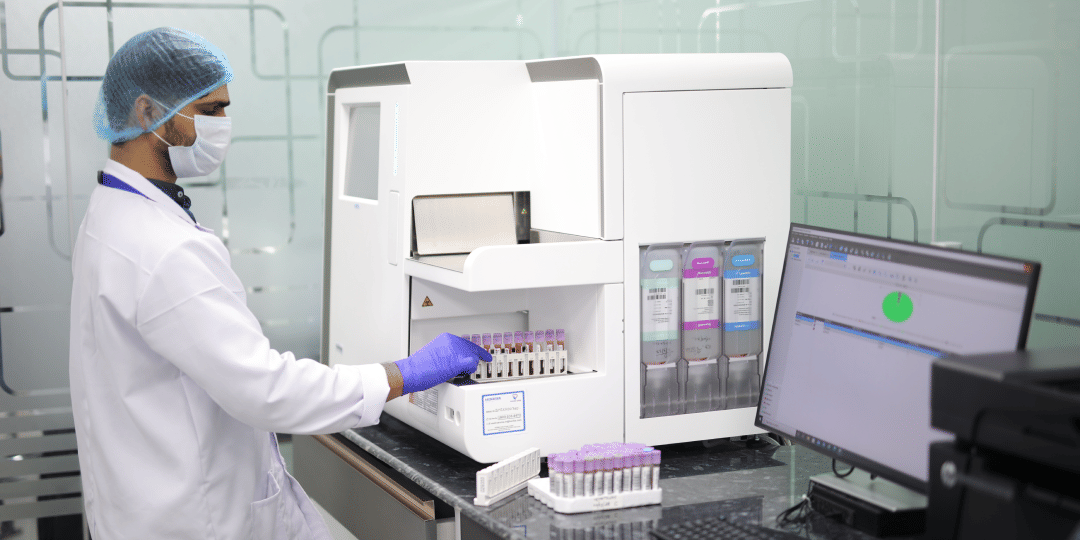
Metropolis Laboratories
CAP certified
Know More
Know more about lab
Metropolis Laboratories
ISO 9001:2015
CAP certified
About this lab
At Metropolis, the best pathology lab in India what we believe is what we say and what we say is what we do. Being empathetic to our customers and being committed to their needs is in our DNA. Metropolis has grown to harness a culture that is open, synergistic, progressive and scientific in nature. We are the Pathology Specialists delivering over 30 million tests a year, catering to more than 20,000 medical Laboratories, Hospitals, Nursing homes and 2,00,000 Consultants. With 37 years of experience in delivering accurate reports, Metropolis has earned the reputation of being amongst the top pathology labs in India.
See more

What does Master Health CheckUp measure?

Contains 42 tests

ppoushsj

Blood Stag is composed of blood cells suspended in blood plasma (yellowish-colored liquid). The blood cells include red blood cells (also called RBCs or erythrocytes), white blood cells (also called WBCs or leukocytes), and platelets (also called thrombocytes).

Red blood cells (RBCs) are the most abundant blood cells. RBCs contain hemoglobin which helps in the transportation of oxygen to the tissues. RBC count is the measurement of the number of RBCs in a given volume of blood.

Packed Cell Volume (PCV) or Hematocrit (Hct) is the measurement of the blood volume occupied by RBCs. It is expressed in percentage.

White blood cells (WBCs) are key components of the immune system and thus protect the body from various infections and cancers. Total Leucocyte count (TLC) is the measurement of the total number of leukocytes (WBCs) in a given volume of blood.

There are five types of WBCs:

  1. Neutrophils

  2. Basophils

  3. Eosinophils

  4. Lymphocytes

  5. Monocytes

Differential Leucocyte Count (DLC) determines the percentage of different types of WBCs.

Neutrophils, Basophils, and Eosinophils are called Granulocytes because of the presence of granules inside these cells.

Absolute count of different types of WBCs is the measurement of their absolute numbers in the given volume of blood.

Platelet count - Platelets (also called thrombocytes) are disc-shaped cell fragments without a nucleus that help in blood clotting. Platelet count is the measurement of the number of platelets in a given volume of blood.

Mean Platelet Volume (MPV) is a measurement of the average size of platelets.

PDW or platelet distribution width refers to the variation of platelet size distribution

Hemoglobin (Hb) -  Hemoglobin (Hb) is a protein found in red blood cells (RBCs) that carries oxygen from the lungs to the body tissues, exchanges the oxygen for carbon dioxide, and then carries the carbon dioxide back to the lungs where it is exchanged for oxygen.

Mean Corpuscular Volume (MCV) is the average volume of a red blood cell.

Mean Corpuscular Hemoglobin (MCH) is the average amount of hemoglobin in the average red blood cell.

Mean Corpuscular Hemoglobin Concentration (MCHC) is the average concentration of hemoglobin in a given volume of red cells.

Red Cell Distribution Width Coefficient of variation (RDW CV)is a measurement of the variability of the red blood distribution curve and their mean size. 

Know more about Complete Blood Count

This further contains

  • Absolute Basophil Count
  • Absolute Lymphocyte Countx

Glucose - Fasting Blood Test is done to measure the levels of glucose in blood during period of fasting.

Glucose is the main source of energy for body. Carbohydrates consumed in the diet are broken down in the body to glucose, which is absorbed by the intestines and transported by the blood to various organs. The cells of these organs utilize the glucose to produce energy when required, and the excess is stored either as glycogen in the liver for short-term storage or in fat tissues as triglycerides for long-term storage. The uptake, utilization, and storage of glucose after it is absorbed in the intestines is facilitated by the hormone- insulin which is secreted by the pancreas. Insulin influences the transport of glucose to the organs like heart, brain, working muscles, etc. It also directs storage of excess glucose. The action of insulin reduces sugar levels in the blood.

After a meal, sugar levels increase in blood and insulin is secreted in response to reduce sugar levels until it becomes normal. If glucose levels fall too low in blood, another pancreatic hormone called glucagon is released, which directs the liver to convert stored glycogen into glucose and releases it into the blood. The insulin and glucagon hormones create a feedback mechanism to keep blood glucose levels within the normal range. Imbalance in their activity causes an excess or shortage of blood sugar.

Glucose - Fasting blood Test helps to determine if the body is able to utilize or store glucose efficiently. High levels of sugar in blood indicates diabetes or resistance to insulin. Type 1 Diabetes is caused when insulin is not produced or produced in very little quantity. Type 2 Diabetes is caused when insulin produced is not utilized effectively by the body. In both these cases, blood sugar level rises, while cells are deprived of nutrition.

Know more about Glucose - Fasting

The Lipid Profile Test typically measures the levels of total cholesterol, HDL cholesterol, LDL cholesterol, and triglycerides. Other results that may be reported include VLDL cholesterol, non-HDL cholesterol, and total cholesterol to HDL cholesterol ratio.

Lipids are fatty acids which store energy for the body and play essential roles in cellular structure and cell signaling. Cholesterols and triglycerides are essential lipids, carried in the blood by lipoprotein particles made up of cholesterol, triglycerides, proteins and phospholipid molecules. The lipoprotein particles are classified according to their densities into High Density Lipoproteins (HDL), Low Density Lipoproteins (LDL), and Very Low Density Lipoproteins (VLDL).

Cholesterol is a fat-like substance formed in the liver, as well as obtained from dietary sources. It is found in all the cells and is an essential part of the structural framework of the cells apart from performing various vital body processes. However, excess cholesterol is harmful. Increased cholesterol in blood can cause it to get deposited on the inner walls of the blood vessels forming plaque.

Triglycerides are the commonest type of fat in the body. Triglycerides are obtained from dietary sources and form the stored fat in adipose tissues. Increase in triglyceride concentration can also give rise to cardiovascular diseases.

High Density Lipoproteins or HDLs are high density particles which help to reduce the chances of cardiovascular diseases by picking up and carrying lipoprotein particles of lower density to the liver for disposal.

Low Density Lipoproteins or LDLs are lipoprotein particles of low density which carry cholesterol to the tissues. Cholesterol carried by LDLs easily comes out of blood and get deposited on the inner walls of the blood vessels, increasing the chances of cardiovascular diseases.

Very Low Density Lipoproteins or VLDLs are lipoprotein particles of very low density which carry triglycerides to the tissues. Excess triglycerides in blood causes increase in VLDL particles which in turn again increases the chance of developing cardiovascular diseases.

Plaque deposition makes the lumen of the blood vessels narrower thereby preventing proper flow of blood and may stop the flow completely. Excessive plaque deposition can also cause the arteries to harden, giving rise to a condition called Atherosclerosis. Improper flow of blood prevents the supply of nutrients and oxygen to the vital organs and may cause heart attack or stroke.


Know more about Lipid Profile

This further contains

  • Cholesterol - LDL
  • Triglycerides
  • Cholesterol - Total
  • Cholesterol - HDL
  • Very Low Density Lipoprotein
  • Total Cholesterol/HDL Cholesterol Ratio
  • LDL/HDL Ratio
  • Non HDL Cholesterol

Urine Routine and Microscopy test involve the three-part evaluation of the urine sample.

1. Gross Examination - It involves the visual examination of the urine sample for color and appearance.

2. Chemical Examination - It is done by urine dip-stick method which involves the use of reagent test strips. These test strips are dipped into the urine sample and the colors that develop are matched with the control for analysis. It is done to examine the urine sample for glucose, protein, pH, specific gravity, blood, nitrites, ketones, leukocyte esterase, bilirubin, and urobilinogen.

3. Microscopic Examination - It involves the examination of the urine sample under the microscope for casts, crystals, cells, bacteria, and yeast. 


Know more about Urine Routine & Microscopy

This further contains

  • Glucose - Fasting Urine
  • Urobilinogen
  • Ketone
  • Nitrite
  • Colour
  • Appearance
  • Specific Gravity
  • Epithelial Cell
  • Casts
  • Crystals
  • Protein Urine
  • Ph for Urine

The kidneys are a pair of bean-shaped organs located on either side of the spinal column in the abdomen towards the back. The kidneys perform a number of important functions. The most important of these is that they filter the blood and separate the waste products generated out of regular metabolic activities of the body, primarily urea. Following the separation, the kidneys excrete the waste products out of the body through urine. They help in maintaining the normal pH level and water balance of the body. The kidneys also play essential roles in the synthesis of Vitamin D and Red Blood Cells (RBCs).

The Kidney Function Test includes the following tests to monitor kidney function:

·  Blood Urea Nitrogen (BUN)/ Urea:

Blood Urea Nitrogen is a test to measure the amount of urea nitrogen present in the blood. Urea is a nitrogenous by-product of the metabolism of protein, and its level in blood serves as an indication of the amount of nitrogen present in blood as urea. In simpler terms, BUN is the measure of the amount of nitrogen present in blood in the form of urea. High BUN levels in the blood can be caused as a result of kidney diseases, dehydration and obstruction in the urinary tract due to kidney stones, prostate gland enlargement, etc.

Urea test measures the level of urea in the blood. Urea is a final waste product formed from the breakdown of proteins. Urea is filtered out of the blood by the kidneys to excrete excess nitrogen present in the blood through urine. Excess of urea in blood is called uremia and can be caused by a number of conditions including kidney diseases.

·  Uric Acid:

This test measures the level of uric acid in the blood. Uric acid is a waste product formed from the breakdown of purines, which are essential building blocks of DNA. It is also produced by the metabolism of proteinaceous food, especially red meat. Uric acid is excreted from the body by the kidneys through urine and a small portion through stool. The uric acid test indicates the level of uric acid in the blood and serves as an indirect estimation of the proper functioning of the kidneys.

The presence of excess amounts of uric acid in the blood is called hyperuricemia, and causes gout due to the accumulation of uric acid crystals in the synovial fluid between joints. Hyperuricemia also causes the formation of hard lumps of uric acid crystals called tophi under the skin and at the top of the ears. Uric acid crystals can also accumulate in the kidneys and cause kidney stones.

·  Creatinine:

This test measures the level of Creatinine in blood. Creatinine is a waste product formed from the normal breakdown of muscles in the body. Creatinine is almost completely excreted by the kidneys, so their levels in the blood serve as an indication of kidney function.

Excess creatinine in the blood can be found due to decreased elimination from the kidneys as well as due to increased creatinine production by muscular breakdown, eating cooked meat, protein supplements, etc.

·  BUN/Creatinine Ratio:

BUN/Creatinine Ratio compares the levels of nitrogen as urea in blood to the levels of creatinine in the blood. This ratio serves as a more accurate representation of kidney function. It is also used to check for dehydration since the BUN level increases in dehydration while creatinine levels remain the same. Low BUN to creatinine ratio can be caused due to a low protein diet, liver cirrhosis, rhabdomyolysis (muscle disease), syndrome of inappropriate antidiuretic hormone secretion (SIADH) as well as during pregnancy.

Know more about Kidney Function Test

This further contains

  • Creatinine
  • Uric Acid
  • Blood Urea Nitrogen (BUN)

LFT measures the level of liver enzymes, proteins, and bilirubin in the blood.


The liver is a wedge-shaped organ located in the right upper part of the abdomen. The liver helps in the synthesis of certain proteins, produces bile (an alkaline compound which helps in the breakdown of fat), process the bilirubin (a yellowish substance produced from the breakdown of hemoglobin) and helps in removing ammonia and other toxins (harmful substances) from the body. It plays an important role in the metabolism of fats, protein, and carbohydrates. It stores glycogen, vitamins, and minerals as well as helps in the metabolism (breakdown) of certain drugs.

Many diseases affect the health of the liver like hepatitis A, hepatitis B, hepatitis C, alcoholic hepatitis, autoimmune hepatitis, cirrhosis, non-alcoholic fatty liver disease (NAFLD), bile duct obstruction, liver or bile duct cancer and many others. Liver function can also be affected by various risk factors like alcohol abuse, certain drugs, sedentary lifestyle, and obesity. Regular monitoring of liver function is essential for early detection of any liver abnormality.

LFT is a group of tests that measure the levels of Aspartate Aminotransferase (AST), Alanine Aminotransferase (ALT), Alkaline Phosphatase (ALP), Total protein, Bilirubin and Gamma Glutamyltransferase (GGT) in blood. Each component has its own significance and helps to understand a particular aspect of the liver function.


Alanine Aminotransferase (ALT)

 Alanine Aminotransferase (ALT) is an enzyme and this test measures the level of this enzyme in the blood. ALT is also known as serum glutamic-pyruvic transaminase (SGPT) and is mainly found in the liver, but also in smaller amounts in the kidneys, heart, pancreas and muscles. This enzyme is released into the bloodstream in case of liver disease or damage leading to increased ALT blood levels, a specific indicator of liver injury. However, this test cannot determine the extent or severity of the liver damage.


Aspartate Aminotransferase (AST)

This test measures the level of the enzyme AST in your blood. It is also known as serum glutamic-oxaloacetic transaminase (SGOT). AST is found in the liver and is released in the blood in large amounts in case of any liver injury. AST levels are usually measured along with ALT as AST is not specific for liver (also found in the heart, skeletal muscle and other organs). Your doctor may also recommend an ALT/AST ratio to help in the diagnosis.


Alkaline phosphatase (ALP)

This test measures the blood levels of the enzyme ALP which is found in the liver (one of the main source), bile ducts, bones, intestine, pancreas and kidney. ALP helps to break down proteins in the body. Diseases that mainly harm or damage the cells of the liver and bile duct, leading to overproduction and release of this enzyme into the bloodstream. This causes increased blood ALP levels.


Total Serum Protein

This test measures the total amount of protein in the blood, which includes two major types of proteins: albumin and globulin. The test report mentions separate results for total protein, albumin, globulin and albumin/globulin ratio (A/G ratio).

The level of proteins in the blood indicates the biosynthetic capacity of the liver. Hepatocytes (liver cells) are unable to synthesize this protein in certain liver diseases leading to a fall in protein levels in the blood.

Albumin is synthesized only in the liver. It helps to transports minerals, enzymes, hormones, bilirubin and some medicines throughout your body. It prevents the fluid from leaking out of your blood vessels into the tissues.

Globulin is synthesized in the liver and by the cells of the immune system. It plays a key role in fighting infections and transports many enzymes, hormones, minerals and some medicines in the body.


Bilirubin

This test measures the amount of bilirubin in the blood. Bilirubin is a waste product formed by the breakdown of red blood cells and is processed by the liver.

Bilirubin blood test report includes separate values for direct (conjugated) bilirubin, indirect (unconjugated) bilirubin, and total bilirubin.

When heme is released from the hemoglobin, it is converted to bilirubin. This is called unconjugated (indirect) bilirubin which is carried to the liver by some proteins.

In the liver, bilirubin gets attached (conjugated) to modified sugars (glucuronic acid) and form conjugated (direct) bilirubin.

Both these forms can be measured or estimated by laboratory tests, and a total bilirubin result (includes both direct and indirect bilirubin) is also measured.

A damaged liver can’t properly process bilirubin, leading to abnormally high levels of bilirubin in the blood. Increased unconjugated bilirubin in the blood results due to its overproduction or improper uptake by the liver. Increased conjugated bilirubin results can be seen in diseases that reduce the rate of secretion of conjugated bilirubin into the bile or the flow of bile into the intestine resulting in a backward flow of conjugated bilirubin into the blood.


Gamma-glutamyltransferase (GGT)

This test measures the level of the enzyme GGT in your blood which is present in large amounts in the liver. It is a transport molecule and it helps the liver to metabolize many drugs and toxins. GGT is a very sensitive test for detecting any liver disease especially due to alcohol abuse and is also one of the first enzymes to rise in patients with bile duct obstruction like tumor or stones.

Know more about Liver Function Test

This further contains

  • Albumin
  • Bilirubin Indirect
  • Bilirubin Direct
  • Gamma Glutamyl Transferase
  • Protein Total
  • Bilirubin Total
  • Alanine Transaminase
  • Alkaline Phosphatase
  • Aspartate Aminotransferase
  • Globulin, Serum
  • Albumin/Globulin Ratio, Serum

The Thyroid Profile Total test measures the levels of the following three hormones in the blood:
Thyroid Stimulating Hormone (TSH)
Thyroxine (T4) - Total
TriIodothyronine (T3) - Total

The thyroid gland (a small, butterfly-shaped gland located in front of the neck) secretes the following hormones:

  • Triiodothyronine (T3)

  • Thyroxine (T4)

Thyroid Stimulating Hormone (TSH), also called Thyrotropin is a hormone secreted into the blood by the Pituitary gland (a gland present in the brain)). It tells your thyroid gland to make and release the thyroid hormones (T3 & T4) into your blood. The thyroid gland uses the iodine gained from food to make the thyroid hormones.

The thyroid hormones are essential for growth and metabolism. If the thyroid gland produces very high amounts of T3 and T4 hormones, you may experience symptoms like weight loss, rapid heartbeat, tremors, sweating, anxiety, increased sensitivity to heat, etc. and this is known as Hyperthyroidism.

The decreased production of thyroid hormones (T3 and T4) results in Hypothyroidism which may lead to weight gain, fatigue, slow heart rate, increased sensitivity to cold, depression, dry and thin hair, etc.

There is a feedback system in the body to maintain stable amounts of the thyroid hormones (T3 and T4) in the blood. When the levels of thyroid hormone decrease, the pituitary gland is stimulated to release TSH.  High TSH in turn increases the release of T3 and T4 thyroid hormones from the thyroid gland and vice-versa.

T3 and T4 circulate in the blood in two forms:

1) Bound form - It is bound to proteins present in blood and this prevents it from entering the body tissues. The three main proteins in the blood that the thyroid hormones are bound to are albumin, transthyretin and Thyroxine-binding globulin (TBG), also called Thyroid hormone Binding Globulin (THBG).

2) Free form - It enters the body tissues where it is  needed

The total T3 or total T4 includes both bound and free forms circulating in the blood. Hence, thyroid hormones can be measured as Free T3, Total T3, Free T4, and Total T4.

The total T3 and total T4 levels can be affected by the amount of protein available in the blood to bind to them.


Know more about Thyroid profile Total

This further contains

  • Thyroxine - Total
  • Triiodothyronine Total
  • Thyroid Stimulating Hormone, Ultrasensitive
Total Cholesterol/ HDL Cholesterol Ratio
HDL / LDL Cholesterol Ratio
Did you find information useful ?
yesYES (5)
noNO

Master Health CheckUp test price for other cities

Price inFaridabadRs. 999
Price inGhaziabadRs. 999
Price inGreater NoidaRs. 999
Price inNew DelhiRs. 999
Price inNoidaRs. 999
Book a Master Health CheckUp test at home near me

Easy online booking
Easy online booking
Search for tests and packages, book a time and select address for seamless at-home lab tests.

Live tracking of phlebotomist
Stay informed with live tracking of our phlebotomist's location for seamless sample collection.
Safe collection
Safe collection
Our phlebotomists follow strict safety protocols to collect samples at home on time.
Sample received at lab
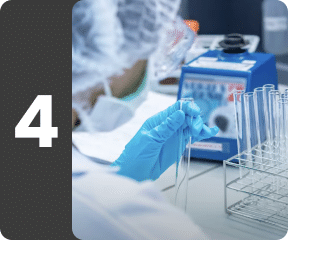
Your sample is bought to our laboratory for testing by our qualified experts.

Quick reports, free follow up
Reports are sent to your email. A free doctor follow up is provided to understand the report better

Recommended for everyone
This package is designed with everyone’s overall health considerations in mind, offering assessments to address a wide range of wellness needs.
Package can be booked by :
Men
Women
Package contains 42 tests
Complete Blood Count (2)
Absolute Basophil Count
Absolute Lymphocyte Countx
Glucose - Fasting
Lipid Profile (8)
Cholesterol - LDL
Triglycerides
Cholesterol - Total
Cholesterol - HDL
Very Low Density Lipoprotein
Total Cholesterol/HDL Cholesterol Ratio
LDL/HDL Ratio
Non HDL Cholesterol
Urine Routine & Microscopy (12)
Glucose - Fasting Urine
Urobilinogen
Ketone
Nitrite
Colour
Appearance
Specific Gravity
Epithelial Cell
Casts
Crystals
Protein Urine
Ph for Urine
Kidney Function Test (3)
Creatinine
Uric Acid
Blood Urea Nitrogen (BUN)
Liver Function Test (11)
Albumin
Bilirubin Indirect
Bilirubin Direct
Gamma Glutamyl Transferase
Protein Total
Bilirubin Total
Alanine Transaminase
Alkaline Phosphatase
Aspartate Aminotransferase
Globulin, Serum
Albumin/Globulin Ratio, Serum
Thyroid profile Total (3)
Thyroxine - Total
Triiodothyronine Total
Thyroid Stimulating Hormone, Ultrasensitive
Total Cholesterol/ HDL Cholesterol Ratio
HDL / LDL Cholesterol Ratio
Report delivery
Standard time
36 hrs
For slots after 11 AM, report will be delivered in 36 hours.
Preparations
1
Urine sample must preferably be the midstream urine (part of urine that comes after first and before the last stream). Collect the urine sample in a sealed and sterile container provided by our sample collection professional. Make sure that the container doesn't come in contact with your skin. Please be informed that urine sample is a part of this package, you are required to submit all the samples that are a part of the package during the sample collection itself. Women are advised not to give the sample during the menstrual period unless prescribed.
2
Do not eat or drink anything other than water for 8-12 hours before the test
Available Offers
Coupon applied
1MGRPT
copy
Who's behind your sample collection?
About Phlebotomist
Play
Tata 1mg Phlebotomist
icon
MEET YOUR PHLEBO
icon
Certified Professionals
Certified & experienced professionals
Tata 1mg phlebotomists are DMLT / B.Sc MLT certified and have 1+ years of experience
Best collections
Best in-class collections
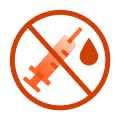
Tata 1mg phlebotomists are trained for painless, single-prick hygienic sample collection

Expertise
Comprehensive expertise
Other than sample collection, our phlebos are also skilled in first aid, ECG & BP monitoring
frame icon
WHAT OUR CUSTOMERS ARE SAYING
frame icon
Despite of very heavy rains, reached on time and did the work very professionally
~ Rahul Shrivastava

double quote icon
It didn't pain a 7 year old and hats off to the collector for being kind and extremely kid friendly
~ Khushnuma
double quote icon
Very nice person and soft spoken. I felt good talking to him even when I am in fever
~ Sourabh
double quote icon
New gloves new everything for each person, it's brilliant how meticulous and detailed your SOPs are.
~ Anita
double quote icon
My mother's veins are thin and slippery and hard to locate but Mohammed Usmani got it so fast, no pain
~ Rama Sampath
double quote icon
No pain at all while collecting blood sample. Fast, quick and properly trained staff.
~ Monalithatte
double quote icon
Sample collection agents was very professional and quick he was so organised with everything
~ Vaishali

double quote icon
Footer