Sign in to your account
or
By signing in you agree to our
Terms & conditions
 and 
Privacy policy

Liver & Kidney Panel

For men & women
Earliest reports in
24 hours
Contains
16 tests

Package price:
₹1550
Know more about this test
<font color='#864291'>Know more about this test</font>

Liver and Kidney panel is a combination of Liver function test (LFT) and Kidney Function Test (KFT). 

Liver function test (LFT) includes a group of blood tests commonly performed to evaluate the function of the liver. Liver panel measures the level of liver enzymes, proteins, and bilirubin in the blood.

 Kidneys play an important role in the removal of waste products and maintenance of water and electrolytes balance in the body. Kidney Function Test (KFT) or Kidney panel includes a group of blood tests to determine how well the kidneys are working.

Samples required
Blood 2

Find out
Why is this package booked?

Sample Collection
Who will collect your samples?
Test conducted by
Dr. Lal PathLabs Ltd.
CAP, ISO certified
Know More
Know more about lab
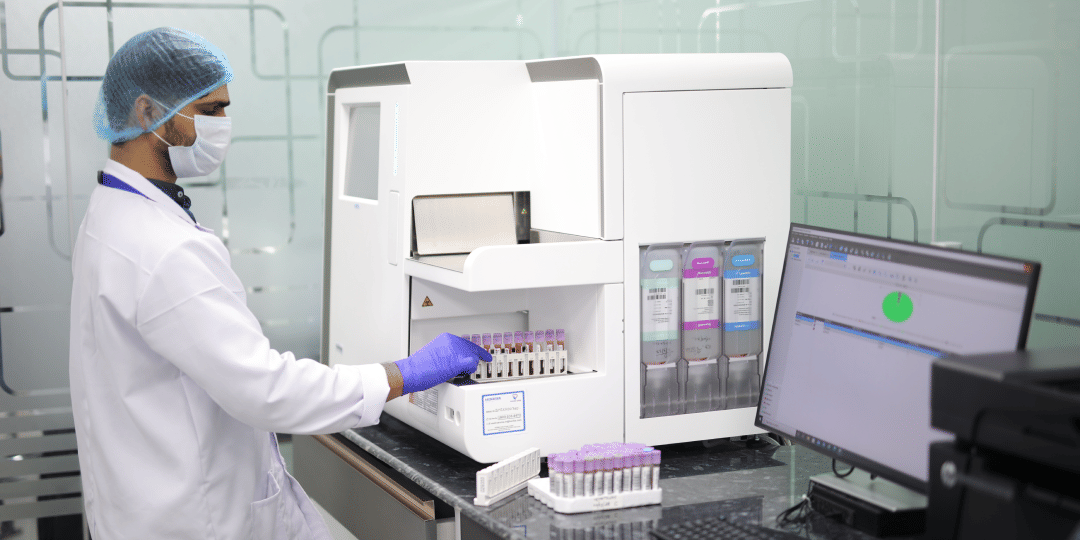
Dr. Lal PathLabs Ltd.
ISO 9001:2015
CAP, ISO certified
About this lab
We focus on providing patients quality diagnostic healthcare services in India. Through our network, we offer patients convenient locations for their diagnostic healthcare services and efficient service. With over 3368 diagnostic and related healthcare tests and services offered, we believe we are capable of performing substantially all of the diagnostic healthcare tests and services currently prescribed by physicians in India. Our key competitive strengths are: Business model focused on the patient as a customer and an established consumer healthcare brand associated with quality services, in a market where patients generally choose their diagnostic healthcare service provider. Well-positioned to leverage upon one of the fastest-growing segments of the Indian healthcare industry. A network whose growth yields greater economies of scale, combined with a hub and spoke model that is scalable for further growth. Centralized information technology platform that fully integrates our network and is scalable. Attractive financial performance, financial profile and return on invested capital. Experienced leadership team with strong industry expertise and successful track record. Some of our laboratories have achieved International Organization for Standardization, or ISO, certification for their quality systems. Our National Reference Laboratory has obtained ISO 9001:2008 certification (for the performance of routine and advanced diagnostic pathology testing services, including clinical trials), ISO 15189:2007 (for quality management in medical laboratories), ISO 15189:2012 certification (in the field of medical testing) and ISO 27001:2013 certification (for establishing an effective information management system that maintains and processes information security at our data center).
See more

What does Liver & Kidney Panel measure?

Contains 16 tests

Creatinine is a waste product which is produced by the muscles due to the breakdown of a compound called Creatine. During the cycle of energy production which is required to contract muscles, creatine is produced. Kidneys remove creatinine from the body by filtering it from the blood and then releasing it into the urine. This test measures the amount of creatinine in the blood.

The body produces creatine and creatinine at a relatively same rate. Since kidneys filter most of the creatinine from the blood and release it into the urine, the blood levels can be used as an indicator to know how well the kidneys are functioning. The amount of creatinine produced depends upon the size of the person as well as their muscle mass. That is why levels of creatinine are higher in men as compared to women and children.

Know more about Creatinine

Protein Total

Alanine Transaminase test measures the levels of alanine transaminase in the blood.  Alanine Transaminase is an enzyme which is found in liver and kidney cells. However, this enzyme, in less quantity, can be found in the muscles and the heart. Its function is to convert alanine (an amino acid found in proteins) to pyruvate (intermediate in cellular energy production). 

Generally, these levels of alanine transaminase in the blood remain low in healthy individuals. However, if there is any damage to the liver, alanine transaminase is released in the blood. This process helps in early detection of any damage to the liver. 

The function of the liver is to process the nutrients of the body. It also produces bile which helps in digesting fats along with the production of other important proteins such as blood clotting factors and albumin. The liver breaks the potentially toxic substances into harmless products which can be used or eliminated by the body. 

This test is done with another liver enzyme, aspartate aminotransferase (AST) as a part of the liver panel. In case of damage to the liver, there is a sudden rise in levels of both enzymes. However, alanine transaminase is more specific for the liver. In some cases, it is possible that only one of them is increased. The AST/ALT ratio can be calculated to differentiate between various causes and severity of the liver injury. This can also help to distinguish whether the injury is from damage to the liver or heart or muscles.


Know more about Alanine Transaminase

Ph, Serum measures the levels of inorganic phosphates in blood. It is critical in the production and storage of energy as it forms a part of the energy currency of cells (Adenosine tri, di, and monophosphates). It is also a structural component of DNA. It is essential in the functioning of nerves and muscles, and in the growth and maintenance of healthy bones. In blood, phosphates act as buffers to maintain the pH and electrolyte balance of the body.

The main source of phosphorus comes from diet. Once consumed, it is quickly absorbed by the digestive system. In the body, most of the phosphates are bound to calcium in the bones and teeth. Some of it is found in muscles and nerves, and a small amount is present in cells, where it forms a structural component of DNA. Very small amounts of phosphates are normally found in circulation, and these levels are measured with blood phosphorus levels.

Phosphate levels in the blood are maintained within its very narrow normal concentration range by excretion of excess phosphorus through kidneys. Phosphate levels are also dependent on the levels of calcium, Vitamin D and parathyroid hormone in blood.


Know more about Phosphorus, Serum

Chloride is an essential mineral which acts as an electrolyte along with potassium, sodium, bicarbonate, etc. It helps to maintain the normal fluid and electrolyte balance of the body. It also acts as a buffer to help maintain the pH balance of the body. It also plays essential roles in metabolism. Chloride is used by the stomach to produce hydrochloric acid (HCl) for digestion. Chloride is present in all body fluids and is found in highest concentration in the blood and extracellular fluid (fluid present outside the cells).

Most of the chloride intake is through dietary salt (sodium chloride or NaCl), and a small portion through other food items. The body absorbs the required amount and the kidneys excrete the remaining through urine. The concentration of chloride in blood is maintained within a very narrow range by the body and usually increases or decreases in direct correlation with sodium levels.


Know more about Chloride

Calcium (Ca) Test measures the levels of calcium in blood. Calcium is essential for body processes including cell signaling, blood clotting, contraction of muscles, and functioning of nerves. It plays a crucial role in the formation and maintenance of healthy bones. Deficiency of calcium results in Osteoporosis, a disease in which the bones lose their density and become soft and fragile, causing them to fracture very easily.

About 99% of the total amount of calcium received by the body is bound as calcium complex in bones, and the remaining 1% lies in blood circulation. Of the amount of calcium circulating in the blood, about half remains bound to albumin protein or other ions and are metabolically inactive, while the remaining half remains free and metabolically active. Blood Calcium tests can be of two types: Total Calcium Test used to measure the total calcium concentration in blood including both the free and bound forms, and Ionized Calcium Test used to measure the concentration of only the metabolically active form.

Calcium levels in the blood are maintained within a very narrow range by a number of mechanisms. Deviation from the normal range of calcium concentration causes Hypocalcemia (low levels of calcium), or Hypercalcemia (excess of calcium). Both these conditions impact normal body processes in the short term and may give rise to other conditions in the long term.

A blood calcium test cannot be used to check for a lack of calcium in your diet or for osteoporosis (loss of calcium from bones) as the body can have normal calcium levels even in case of dietary deficiency of Calcium. The body can augment mild calcium deficiency by releasing the calcium stored in bones.

Know more about Calcium

Urea is a byproduct of protein metabolism. Proteins consumed in the diet are digested and converted into amino acids, which are utilized by the body. This metabolic process creates toxic byproduct ammonia. This byproduct is rapidly converted by the liver to form urea, which is less toxic and is transported relatively safely in blood. Following this, urea is transported by the blood to the kidneys. The kidneys then filter it out of the blood and excrete it out of the body in a solution called urine. This process continues and the body keeps producing and excreting urea, hence maintaining a low and steady level of urea in the blood.

The BUN test measures the amount of urea present in the urea. The levels of BUN test in the blood are affected due to impairment of kidney function, or due to large scale liver conditions. Primarily, BUN Test results are used to evaluate kidney functioning. Results are often interpreted together with results of Creatinine Tests that measure the levels of another metabolic waste (creatinine), which is also excreted in the urine.


Know more about Blood Urea

The Uric acid test measures the levels of uric acid in the blood. Uric acid is a nitrogenous compound produced by the metabolic breakdown of purine. Purines are nitrogenous bases in DNA forming parts of the structural framework of the cells. Breakdown of purines occurs when cells become old and die, forming uric acid. Uric acid is also formed from the metabolic breakdown of some types of food like red meat, seafood, beans, etc.

Most of the uric acid in the blood is filtered and eliminated by the kidneys and a small remaining amount in the stool. The concentration of uric acid in the blood can increase due to overproduction of uric acid or improper elimination of uric acid, and this condition is called Hyperuricemia. Hyperuricemia can also be caused due to cancer treatment by chemotherapy or radiotherapy. These treatment methods kill the cancer cells, which may leak the uric acid into the blood.

Excess uric acid can form crystals in the synovial fluid between the joints causing inflammation and pain. This condition is called gout and can severely damage the joints if left untreated. The Uric Acid Test can indicate the presence of gout, or risk of formation of gout. However, it is not a definitive test for gout. Confirmatory test for gout is performed by analysis of synovial fluid (joint fluid) for monosodium urate crystals. Chronic Hyperuricemia can cause the formation of tophi, which are hard lumpy deposits of uric acid crystals formed under the skin, in the joints, and at the top of the ears. Tophi cause severe damage to the joints and may compress nerves causing chronic pain and disfigurement. The excess uric acid may also deposit and crystallize in the kidneys causing kidney stones and acute renal failure.

Know more about Uric Acid

The Sodium test measures the concentration of sodium in the blood.

Sodium is an essential body electrolyte which, along with potassium, chloride, bicarbonate, etc., helps to maintain the normal fluid and pH balance in the body. It is also vital for cellular metabolism, and in the activity of nerves and muscles and transmission of impulses between them. Sodium is present in all body fluids and is found in highest concentration in the blood and extracellular fluid.

Sodium is supplied to the body principally through dietary salts (sodium chloride or NaCl), and a small portion of sodium is absorbed through other food items. The required portion is absorbed by the body and the remaining is excreted by the kidneys through urine. The body maintains a very narrow range of sodium concentration by three mechanisms:

·         Secretion of hormones natriuretic peptides and aldosterone to control sodium elimination through urine

·         Secretion of antidiuretic hormone (ADH), also called Vasopressin, to control the volume of water eliminated through urine

·         Induction of thirst

Any disruption in the abovementioned mechanisms gives rise to an imbalance in the concentration of sodium in the blood to produce Hyponatremia (low blood sodium concentration), or Hypernatremia (high blood sodium concentration). Both these conditions produce a number of symptoms and may even lead to death.

Know more about Sodium

The Potassium Test measures the concentration of potassium in the blood.

Potassium is one of the essential body electrolytes along with sodium, chloride, bicarbonate, etc. As an electrolyte, potassium helps to regulate the amount of fluids present in the body and to maintain a correct pH balance. It performs a vital role in cellular metabolism and transport of nutrients and waste products in and out of cells. It is also essential in the transmission of nerve impulses to muscles and muscle activity.

Sufficient amount of potassium required by the body is absorbed from dietary sources, and the remaining unabsorbed potassium is excreted by the kidneys. Body potassium is maintained within a small normal range principally by the hormone aldosterone. Aldosterone acts on the nephrons in the kidneys and activates a sodium-potassium pump which helps the body to reabsorb sodium and excrete potassium. This helps to maintain the potassium concentration in the blood within its normal range. Deviation of potassium concentration from its normal range gives rise to Hyperkalemia (high potassium level in blood), or Hypokalemia (low potassium level in blood). Both these conditions may produce a number of symptoms, and may even be fatal if not controlled.

Know more about Potassium

Albumin
Albumin/Globulin Ratio, Serum

The alkaline phosphatase, serum test measures the alkaline phosphatase levels in the blood. Alkaline phosphatase (ALP) is an enzyme which is found in various tissues throughout the body. The maximum concentrations of ALP are present in cells of bone and liver. Usually, raised levels of ALP are caused due to liver disease or bone disorders.


ALP is found in the liver on the cell edges that join to form bile ducts. The bile ducts are the tiny tubes which drain bile from the liver to the bowels. The bile juice formed is required by the small intestine to help digest fat in the diet.

ALP is produced by osteoblasts cells in the bone which are involved in bone formation. The various tissue types produce distinct forms of ALP which are known as isoenzymes.


The levels of ALP generally increase to a great extent if one or more bile ducts get blocked. The reason could be inflammation of the gallbladder which is known as cholecystitis or presence of gallstones. Small amount of increase of ALP in blood can be seen in liver cancer and cirrhosis. These high levels can also be observed if there is intake of medications toxic to the liver and hepatitis.


In conditions, where there is formation of excessive bones such as Paget’s disease one can also have increased levels of ALP. Along with that, higher blood ALP levels can be seen in children and adolescents, as they are in the growing stage and so are their bones.


Know more about Alkaline Phosphatase, Serum

Gamma Glutamyl Transferase

The Bilirubin Total measures the amount of bilirubin present in the blood of a person. Bilirubin is an orange-yellow waste pigment produced by the normal breakdown of heme. The heme is a component of hemoglobin and is found in red blood cells. The liver processes the bilirubin and eliminates it from the body. 


The life span of red blood cells is about 120 days. The heme which is released from the hemoglobin is converted into bilirubin which is called unconjugated bilirubin. It is then carried to the liver by proteins, where it gets attached to sugars and becomes conjugated bilirubin. This conjugated bilirubin enters the bile from the liver and passes to the small intestine. Here, it gets broken down by the bacteria and further gets eliminated in the stool. These breakdown products of bilirubin are responsible for giving the characteristic brown color to the stool.


A healthy adult body produces approximately 250 - 350 mg of bilirubin daily. About 85% of bilirubin comes from damaged or degraded RBCs while the remaining amount comes from the bone marrow or liver.

Small amount of unconjugated bilirubin is released in the blood normally, but there is no virtual presence of conjugated bilirubin in the blood. 

Both the forms of bilirubin can be measured or evaluated by the laboratory tests, and total bilirubin (sum of conjugated or unconjugated bilirubin) may be reported. In case there is an increase in levels of bilirubin, there will be yellowing of the skin and white of the eyes, giving the appearance of jaundice.  


Know more about Bilirubin Total

Aspartate aminotransferase (AST) is an enzyme which is found in most of the body cells but mainly in the heart and liver. It is also present in kidneys and muscles but in smaller amounts. Normally, the levels of AST are low, but the levels rise when there is an injury to cells of the liver or muscle. 


The function of the liver is to process the nutrients of the body. It also produces bile which helps in digesting fats along with the production of other important proteins such as blood clotting factors and albumin. The liver breaks the potentially toxic substances into harmless products which can be used or eliminated by the body. 


The rise in levels of AST can be due to conditions causing liver damage such as hepatitis, drugs which are toxic to liver, cirrhosis, or alcoholism. The AST test is not specific for the liver. Its levels may also rise in conditions which affect other parts of the body.

This test is done with alanine aminotransferase (ALT) test. Both the enzymes are found in the liver and their levels rise in case of liver damage. The ratio of AST/ALT helps in differentiating between the causes of liver damage in case of injury to heart or muscle. 


Know more about Aspartate Aminotransferase

Did you find information useful ?
yesYES
noNO (1)

Liver & Kidney Panel test price for other cities

Price inFaridabadRs. 1550
Price inGhaziabadRs. 1550
Price inGreater NoidaRs. 1550
Price inNew DelhiRs. 1550
Price inNoidaRs. 1550
Book a Liver & Kidney Panel test at home near me

Easy online booking
Easy online booking
Search for tests and packages, book a time and select address for seamless at-home lab tests.

Live tracking of phlebotomist
Stay informed with live tracking of our phlebotomist's location for seamless sample collection.
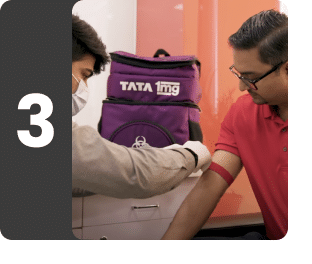
Safe collection
Safe collection
Our phlebotomists follow strict safety protocols to collect samples at home on time.
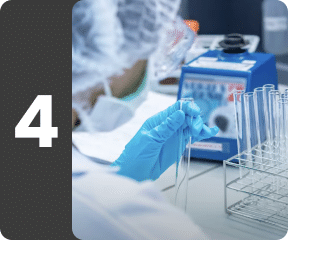
Sample received at lab
Your sample is bought to our laboratory for testing by our qualified experts.

Quick reports, free follow up
Reports are sent to your email. A free doctor follow up is provided to understand the report better

Recommended for everyone
This package is designed with everyone’s overall health considerations in mind, offering assessments to address a wide range of wellness needs.
Package can be booked by :
Men
Women
Package contains 16 tests
Creatinine
Protein Total
Alanine Transaminase
Phosphorus, Serum
Chloride
Calcium
Blood Urea
Uric Acid
Sodium
Potassium
Albumin
Albumin/Globulin Ratio, Serum
Alkaline Phosphatase, Serum
Gamma Glutamyl Transferase
Bilirubin Total
Aspartate Aminotransferase
Report delivery
Standard time
24 hrs
For slots after 11 AM, report will be delivered in 36 hours.
Samples required

Blood
Our phlebotomist will draw a blood sample, typically from a vein in your inner elbow.
Why is this package booked?
1
As a part of preventive health check-up
2
If you have signs or symptoms of kidney diseases like swelling or puffiness around the eyes, face, wrists, bloody urine, difficult and painful urination
3
If you have risk factors for kidney disease like high blood pressure, diabetes mellitus, cardiovascular disease, obesity, elevated cholesterol or a family history of kidney disease
4
For monitoring purposes if you are being treated for kidney disease
5
If you have signs or symptoms of liver disease like loss of appetite, weakness, jaundice, abdominal pain, itching, nausea, vomiting
6
If you are a chronic alcoholic
7
If you have a history of exposure to hepatitis virus
8
If you have a family history of liver disease
9
If you are taking medicines which may affect your liver
Who's behind your sample collection?

About Phlebotomist
Play
Tata 1mg Phlebotomist
icon
MEET YOUR PHLEBO
icon
Certified Professionals
Certified & experienced professionals
Tata 1mg phlebotomists are DMLT / B.Sc MLT certified and have 1+ years of experience

Best collections
Best in-class collections
Tata 1mg phlebotomists are trained for painless, single-prick hygienic sample collection

Expertise
Comprehensive expertise
Other than sample collection, our phlebos are also skilled in first aid, ECG & BP monitoring
frame icon
WHAT OUR CUSTOMERS ARE SAYING
frame icon
Despite of very heavy rains, reached on time and did the work very professionally
~ Rahul Shrivastava

double quote icon
It didn't pain a 7 year old and hats off to the collector for being kind and extremely kid friendly
~ Khushnuma
double quote icon
Very nice person and soft spoken. I felt good talking to him even when I am in fever
~ Sourabh
double quote icon
New gloves new everything for each person, it's brilliant how meticulous and detailed your SOPs are.
~ Anita
double quote icon
My mother's veins are thin and slippery and hard to locate but Mohammed Usmani got it so fast, no pain
~ Rama Sampath
double quote icon
No pain at all while collecting blood sample. Fast, quick and properly trained staff.
~ Monalithatte
double quote icon
Sample collection agents was very professional and quick he was so organised with everything
~ Vaishali

double quote icon
Footer