Hypothyroidism / Hashimato's Disease Panel

For men & women
Earliest reports in

30 hours

Contains

3 tests

Know more about this test

Hypothyroidism / Hashimatos Disease panel is done to diagnose a thyroid disorder. It measures the levels of free T3, free T4 and TSH. Get this test done if you have symptoms of decreased thyroid activity such as weight gain, constipation or cold intolerance. You should definitely get this test done during infertility work up or during pregnancy.
Preparation for this package


Sample Collection
Who will collect your samples?
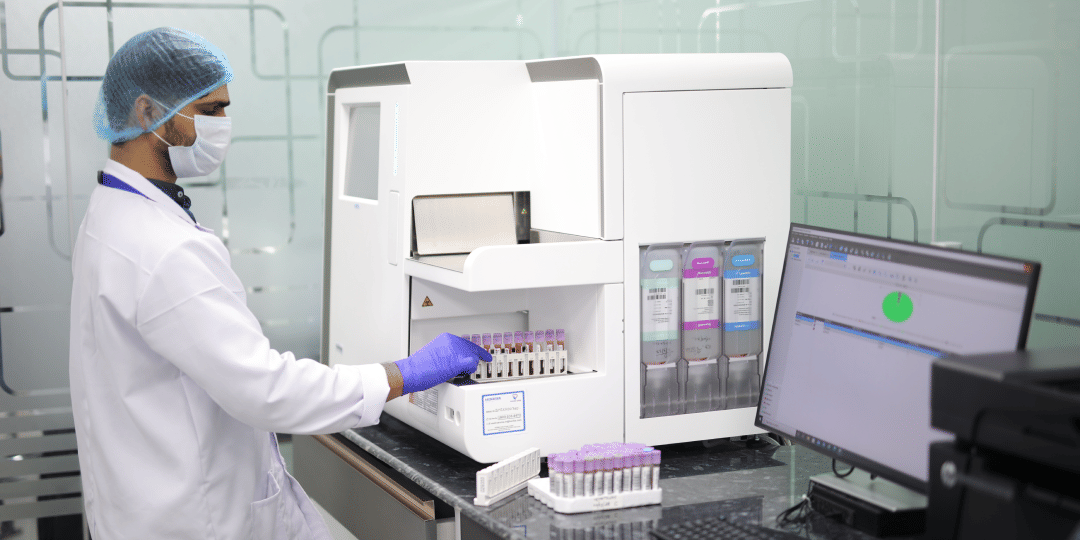
Test conducted by

Dr. Lal PathLabs Ltd.
CAP, ISO certified
Know More

Know more about lab

CAP, ISO certified
Test Information is reviewed by: Dr. Swati Gupta (Anand), MBBS, MD Lab Medicine and written by Dr. Lipika Khurana, BDS, PGDHHM . The test details are for information purpose only. Consult a doctor before taking any test. Last updated on: 15th Apr 2026
Did you find information useful ?
 YES
YES  NO
NO 
Book a Hypothyroidism / Hashimato's Disease Panel test at home near me
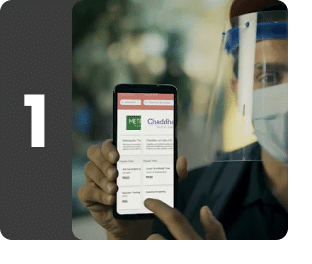
Easy online booking
Search for tests and packages, book a time and select address for seamless at-home lab tests.
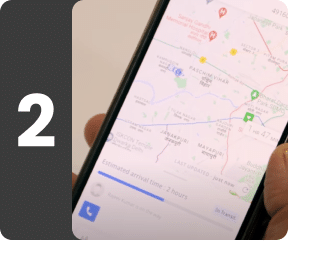
Live tracking of phlebotomist
Stay informed with live tracking of our phlebotomist's location for seamless sample collection.
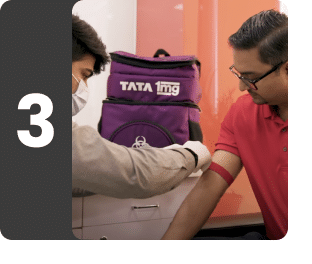
Safe collection
Our phlebotomists follow strict safety protocols to collect samples at home on time.
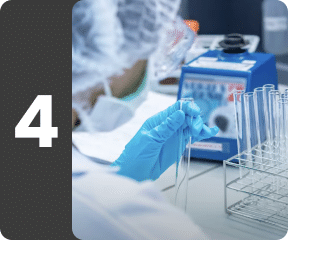
Sample received at lab
Your sample is bought to our laboratory for testing by our qualified experts.
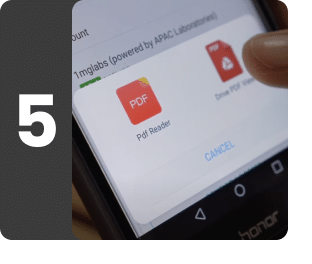
Quick reports, free follow up
Reports are sent to your email. A free doctor follow up is provided to understand the report better




Recommended for everyone
This package is designed with everyone’s overall health considerations in mind, offering assessments to address a wide range of wellness needs.
Package contains 3 tests
Report delivery
Standard time
30 hrs
For slots after 11 AM, report will be delivered in 30 hours.
Preparations
1
Do not eat or drink anything other than water for 8-12 hours before the test
Who's behind your sample collection?




MEET YOUR PHLEBO

Certified & experienced professionals
Tata 1mg phlebotomists are DMLT / B.Sc MLT certified and have 1+ years of experience

Best in-class collections
Tata 1mg phlebotomists are trained for painless, single-prick hygienic sample collection

Comprehensive expertise
Other than sample collection, our phlebos are also skilled in first aid, ECG & BP monitoring
WHAT OUR CUSTOMERS ARE SAYING
Despite of very heavy rains, reached on time and did the work very professionally
~ Rahul Shrivastava

It didn't pain a 7 year old and hats off to the collector for being kind and extremely kid friendly
~ Khushnuma
Very nice person and soft spoken. I felt good talking to him even when I am in fever
~ Sourabh
New gloves new everything for each person, it's brilliant how meticulous and detailed your SOPs are.
~ Anita
My mother's veins are thin and slippery and hard to locate but Mohammed Usmani got it so fast, no pain
~ Rama Sampath
No pain at all while collecting blood sample. Fast, quick and properly trained staff.
~ Monalithatte
Sample collection agents was very professional and quick he was so organised with everything
~ Vaishali