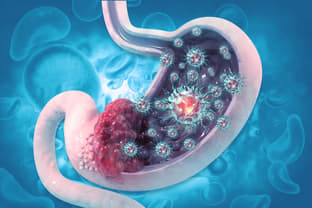
Stomach cancer, also known as gastric cancer, is a type of cancer that develops in the cells lining the stomach. It occurs when the body’s normal process of removing old cells and forming new cells, breaks down. The stomach cells continue to grow out of control and form tumors. The cancerous cells can also spread to other parts of the body.
Stomach cancer is typically found in the elderly. Men are more likely to be affected than women. Other risk factors for the disease are smoking, obesity, stomach diseases, excessive alcohol consumption, and hereditary conditions.
The outlook for recovery is better if stomach cancer is detected early, before it has spread to other parts of the body. Regular screening for stomach cancer is advised for those at higher risk, such as those with a family history of the disease.
Depending on the extent of the cancer, treatment options may include surgery, chemotherapy, radiation therapy, or a combination of these.
Know more about some other causes that can lead to loss of appetite.
Causes Of Stomach Cancer
Stomach cancer develops when a genetic mutation (inherited or acquired) occurs in the DNA of stomach cells. DNA is the genetic code that instructs cells on when to grow and when to die. As a result of the mutation, abnormal cells in the stomach begin to grow and divide uncontrollably.
Understand the common causes of cancer and how you can prevent them.
Watch this video now
Risk Factors For Stomach Cancer
Stomach cancer is the 5th most common cancer. It is a multifactorial disease associated with a number of risk factors, which include:
1. Stomach conditions
H.Pylori infection
Chronic gastritis (swelling and inflammation of the stomach)
Pernicious anemia (decrease in red blood cells when the body can't absorb enough vitamin B12)
GERD (stomach acid backing up into the esophagus)
Intestinal metaplasia (a condition in which the normal stomach lining is replaced with the cells that line the intestines)
Gastric polyps (growths of noncancerous cells in the stomach)
Epstein-Barr virus infection
2. Age
Stomach cancer is more common in the elderly. Half of all stomach cancers occur in people aged 75 and above.
3. Gender
Men are more likely than women to develop stomach cancer.
4. Genetic factors
People who have first-degree relatives with stomach cancer (parents, siblings, or children) are more likely to develop the disease.
A family history of genetic syndromes such as Lynch syndrome (an inherited genetic disorder that increases the risk of colorectal cancer, stomach cancer, and other cancers) is likely to increase the risk of stomach cancer.
5. Alcohol and tobacco use
Consuming alcohol and smoking cigarettes can both increase your risk of developing stomach cancer.
Trying to cut down on smoking, but, unable to do so?? Explore our smoking cessation range.
6. Occupation
Some studies found that certain jobs, like manual workers and farmers, have a higher risk of gastric cancer. Jobs involving dust or chemicals, like cement work, were linked to this risk as well.
7. Radiation exposure
Ionizing radiation, a kind of energy, might raise the risk of stomach cancer. It's connected to gamma radiation, and research suggests that people sensitive to it could have a higher chance of getting this cancer
8. Being overweight or obese
Being overweight or obese raises your chances of developing cancer in the upper part of your stomach.
Finding it difficult to shed those extra kilos. Know more about weight loss tips that might work for you.
9. Diet
Eating improperly prepared or stored foods, as well as red, smoked, and processed meat, and lack of fresh fruits and vegetables, can all increase the risk of developing stomach cancer.
Diagnosis Of Stomach cancer
To arrive at the diagnosis of any kind of cancer, it is important to understand its staging. The most common way of staging stomach cancer is the TNM staging system, where:
T stands for Tumor and how many layers of the stomach wall the tumor has penetrated
N stands for Lymph Nodes and how many lymph nodes have cancer spread to. It also looks at where the lymph nodes are affected and how close to the original tumor.
M stands for metastasis ie. spread to other parts of the body
Depending on this the cancer is divided into 4 stages. These are:
1. Stage 0: Also known as carcinoma in situ. This stage is distinguished by abnormal cells in the stomach lining. The cells can become malignant (cancerous) in the future.
2. Stage 1: Cancer hasn’t spread beyond the thick muscle in the stomach wall.
3. Stage 2: The cancer has spread to deeper layers of the stomach and may have spread to a number of nearby lymph nodes.
4. Stage 3: The cancerous cells are present in all the layers of the stomach as well as in some of the adjacent organs like the spleen or colon.
5. Stage 4: Cancer has spread to distant organs in the body like the liver, lungs, brain etc. This is referred to as advanced, metastatic, or secondary cancer.
The diagnosis consists of the following:
1. Medical history and physical examination
It entails examining the body to check general signs of health, including looking for signs of disease, such as lumps or anything else that appears unusual. A history of the patient's health habits, as well as previous illnesses and treatments is taken.
2. Upper endoscopy
Also known as esophagogastroduodenoscopy (EGD). The doctor will insert an endoscope, which is a thin, flexible, lighted tube with a small video camera on the end, down your throat during this test.
This allows the doctor to examine the lining of your esophagus, stomach, and the first part of your small intestine. Samples of any abnormal areas (biopsies) can be taken during endoscopy.
An ultrasound uses sound waves to create a picture of the internal organs. There are 2 types of ultrasound devices:
Transabdominal ultrasound: It is the ultrasound to see inside the abdomen and check for abnormalities.
Endoscopic ultrasound EUS: It is an ultrasound done with the help of an endoscope. This is to help find out the size of the cancer and whether it has spread. It can be used to help remove very early-stage cancers without the need for more extensive surgery.
4. Biopsy
A biopsy is the removal of a small amount of tissue for examination under a microscope. It can make a definite diagnosis for most cancers.
5. Imaging Tests
X-Ray: A barium meal X-ray or barium swallow involves drinking a chalky liquid containing a substance called barium, which makes your stomach show up on an X-ray. It can reveal abnormalities in the shape, position, narrowing, or obstruction of the stomach that may be indicative of stomach cancer.
Chest X-ray: This can also be done to check if the cancer has spread to the lungs.
Computed tomography (CT or CAT) scan: CT scans involve taking pictures of the stomach at specific times after the intravenous (IV) injection of contrast medium. It can help diagnose the position of a tumor in relation to nearby organs and blood ves
Magnetic resonance imaging (MRI):An MRI uses magnetic fields to produce detailed images of the body and to measure the tumor’s size.
Laparoscopy: A laparoscopy is a minor procedure in which a laparoscope (a thin, flexible tube with a small video camera on the end) is inserted through a small cut in the belly. It is used by doctors to determine whether stomach cancer has spread.
Electrocardiogram (EKG): An electrocardiogram (EKG) and/or an echocardiogram (an ultrasound of the heart) may be performed if surgery is planned or if you are taking medicines that can affect the heart.
HER2 testing: The cancer cells may be tested after biopsy to see if they have too much of a growth-promoting protein called HER2. Cancers with increased levels of HER2 are called HER2-positive.
Tata 1mg labs offer accurate and on time results.
Prevention Of Stomach Cancer
Cancer prevention is an action taken to lower the chance of getting cancer. Many things in our genes, our lifestyle, and the environment around us may increase or decrease our risk of getting cancer. Some of the ways to prevent stomach cancer include:
1. Diet and nutrition
Consume a balanced diet rich in fruits, vegetables, whole grains, and lean proteins
Reduce consumption of heavily salted, pickled, and smoked foods.
Reduce intake of processed meats.
2. Lifestyle choices
Quit smoking.
Avoid or limit alcohol consumption.
Maintain a healthy weight.
Engage in regular physical activity, which supports overall health.
Minimize exposure to carcinogens in the workplace.
Protect your skin from excessive sun exposure to prevent skin cancer, which can sometimes metastasize to the stomach.
3. Infections and medical Interventions
Treat and manage Helicobacter pylori infections.
Take medicines to treat a precancerous condition or to keep cancer from starting (chemoprevention).
You can prevent certain types of cancer with vaccines. Like BCG vaccines, cancer vaccines protect our body from viruses that can cause diseases that can develop into cancer.
4. Health Monitoring
Maintain routine health check-ups for early detection and management of risk factors.
Doctor To Visit
Cancer requires comprehensive care. Doctors that take care of patients with stomach cancer and help in diagnosing and formulating a treatment plan are:
General physician
Gastroenterologist
Oncologist
Surgical oncologist
A general physician can do a detailed clinical examination, suggest tests and refer to a specialist in case they are suspecting stomach cancer.
A gastroenterologist and oncologist assist with diagnosing, staging, and creating personalized treatment plans for stomach cancer.
A surgical oncologist performs surgeries for diagnosis, tumor removal, and symptom relief.
If you want to understand if your symptoms could mean anything, seek advice from our trusted professionals.
Treatment Of Stomach cancer
Treatment for stomach cancer depends on the size, location, and stage of the tumor. It includes:
1. Surgery
Surgery is a common treatment for all stages of gastric cancer. The following types of surgery may be used:
Endoscopic resection: In an endoscopic resection, surgical tools can be passed through the endoscope to remove the tumor and part of the normal stomach wall around it. Endoscopic mucosal resection (EMR) and endoscopic submucosal dissection (ESD) are only used to treat very early-stage cancers with a very low chance of spreading to the lymph nodes.
Subtotal gastrectomy: In this procedure, only a portion of the stomach is removed, sometimes in conjunction with a portion of the food pipe (in a proximal gastrectomy) or the first part of the small intestine (in a distal gastrectomy). The remaining stomach section is then reattached.
Total gastrectomy: This surgery is performed if the cancer has spread throughout the stomach. The entire stomach, as well as nearby lymph nodes, as well as parts of the esophagus, intestines, pancreas, and other nearby organs are removed. The esophagus is then connected to a section of the small intestine.
Palliative surgery for unresectable cancer:For people with unresectable stomach cancer, surgery can often still be used to help control cancer or to help prevent or relieve symptoms or complications.
Gastric bypass (gastrojejunostomy): For people who are healthy enough for surgery, bypassing the lower part of the stomach is one option to help prevent or treat this. This is accomplished by connecting a section of the small intestine (the jejunum) to the upper part of the stomach, allowing food to exit the stomach via the new connection.
Stent placement: Using an endoscope to place a stent (a hollow metal tube) in the opening is another option for preventing a tumor from blocking the opening at the beginning or end of the stomach. This aids in keeping the passage open and allows food to pass through.
Feeding tube placement: Some people with stomach cancer are unable to eat or drink enough to obtain adequate nutrition. A feeding tube can be inserted through the skin of the abdomen and into the distal part of the stomach or the small intestine via a minor operation.
2. Chemotherapy
Chemotherapy employs anti-cancer drugs that may help shrink the cancer or slow its growth, relieving symptoms and extending lives. Also, chemo can help the radiation work better which is known as chemoradiation.
Adjuvant treatment: In this treatment, chemo is given before surgery for stomach cancer. It often shrinks the tumor and possibly makes surgery easier. It may also help patients live longer lives by preventing cancer from returning.
Neoadjuvant treatment: It is administered after surgery to remove the cancer. The goal of adjuvant chemotherapy is to kill any remaining cancer cells that are too small to see. This can help prevent the cancer from returning.
Radiation therapy resembles an X-ray procedure, but the radiation used is more potent, and it can be applied in various ways to aid in the treatment of stomach cancer.
Before surgery: For some earlier-stage cancers, radiation can be used in conjunction with chemotherapy (chemo) prior to surgery to shrink cancer and make it easier to remove.
After surgery: Radiation therapy can be used in conjunction with chemotherapy to try to kill any cancer cells that were not removed during surgery.
For cancers that can't be removed by surgery: Radiation therapy may be used to help slow the growth of cancer and alleviate symptoms such as pain, bleeding, or eating difficulties.
4. Targeted drugs and immunotherapy
These drugs in stomach cancer treatment focus on specific traits of cancer cells to hinder their growth and enhance the effectiveness of therapy. Some medicines help the body's defense system fight against cancer, known as immunotherapy. Examples of targeted drugs include:
Get guaranteed delivery of all your medications from India’s largest online pharmacy.
5. Response assessment
Doctors check how well the treatment is working by looking at X-rays and blood tests every few cycles, along with how the patient is feeling. They use specific criteria to measure the tumor's response. This information helps them decide if more treatment is needed or if palliative care should be considered.
Home Care For Stomach Cancer
The news of stomach cancer can be devastating. Cancer not only affects the body but has a serious effect on the mind as well. Some of the things that the patients can do at home that can help manage the symptoms of treatment include:
Focus on a balanced diet with small, frequent meals
Drink plenty of fluids to stay hydrated
Follow prescribed pain medications and communicate any discomfort to your doctor
Maintain good personal hygiene to prevent infections
Get adequate rest and sleep.
Seek emotional support from friends, family, or support groups
Engage in light physical activity if recommended by your doctor
If you've had surgery, follow wound care instructions carefully
Diagnosis and treatment of stomach cancer diagnosis can lead to chronic stress. With so much to take care of, one often finds it hard to cope with situations that are beyond control.
Read about effective ways to manage chronic stress.
Complications Of Stomach cancer
If stomach cancer progresses to advanced stages, then it may lead to many complications like:
Gastrointestinal bleeding
Gastric perforation (holes in the stomach)
Small bowel obstruction (partial or full obstruction of the small intestine)
Metastases (cancer can spread to distant organs like lungs, liver, or bones)
Alternative Therapies For Stomach cancer
Here are examples of complementary methods that some people have found helpful and safe when used along with standard medical treatment. They include:
Complementary and integrated methods
1. Acupressure: The application of pressure to or rubbing of specific areas of the body to alleviate symptoms.
2. Acupuncture: A technique in which very thin needles are inserted into the body to treat a variety of symptoms, including mild pain and nausea.
3. Aromatherapy: The use of fragrant substances distilled from plants, known as essential oils, to alter mood or alleviate symptoms such as stress or nausea.
4. Art therapy: Using creative activities to assist people in expressing their emotions.
5. Biofeedback: It can assist in managing symptoms like nausea and pain in stomach cancer patients by teaching them how to control certain bodily functions.
6. Labyrinth walking: A meditative walk through a circular pathway that leads to the center and back out. It can provide relaxation and stress reduction, aiding emotional well-being for individuals dealing with stomach cancer.
7. Massage therapy: Massage therapy entails manipulating, rubbing, and kneading the muscles and other soft tissues of the body. Reduces stress, anxiety, depression, and pain in individuals dealing with cancer.
8. Meditation: A mind-body process in which a person relaxes the body and calms the mind through concentration or reflection.
9. Music therapy: Using music to promote healing and improve one's quality of life.
10. Tai chi: A mind-body system that improves health and well-being through movement, meditation, and breathing. It has been shown to help some people improve their strength and balance alleviating cancer symptoms.
11. Yoga: People with cancer frequently experience a variety of symptoms and side effects, including depression, pain, nausea, fatigue, and others. Yoga can help cancer patients deal with these and other issues.
To find out the most beneficial yoga asanas
Living With Stomach Cancer
Living with stomach cancer means different things to different people. Things that the caregiver and the patient should take into consideration include:
1. Managing the emotions
Individuals with cancer may feel turmoil of emotions such as sadness, anxiety, or anger, or difficulty in managing the stress level. Tips that can help help:
Get all the information needed to go about with the treatment
Talk to the loved ones
Join support groups
Start palliative care to get relief from other symptoms
Take help in coping with practical issues like financial expenses, childcare, and work issues.
2. Surviving the physical side effects
Changes to the physical health depend on several factors including cancer’s stage, the length and dose of treatment, and the patient’s general health. Things to keep in mind are:
Keep a note about any new side effects or changes in existing side effects
Inform your doctor about the side effects so that they can potentially keep any side effects from worsening
Keep track of the side effects so it is easier to explain any changes to the healthcare team
Get treatment for long-term side effects and late effects as it is important to survive to post the completion of treatment
3. Supervising the costs of cancer care
Cancer treatment can be expensive. It may be a source of stress and anxiety for people with cancer and their families. This can be managed by:
Understanding the cost of the treatment
Talking about financial concerns with family members or the healthcare team
Getting support from organizations that help with treatment, housing, travel, and other cancer-related costs.
4. Getting follow-up care
Post the completion of the treatment, the doctors will still want to watch you closely. It’s very important to go to all of the follow-up appointments that include medical history and physical exam every 3 to 6 months for 1 to 2 years, every 6 to 12 months for 3 to 5 years, and annually thereafter.
Tips for caregivers
There are numerous resources available for the patient and their family, battling with stomach cancer. Tips that the caregivers can follow to help the patient in difficult times include:
Encouraging and providing mental support to the patient
Understanding the course of treatment
Helping the patient manage their symptoms and side effects
Coordinating their medical appointments and giving medications on time
Assisting the patient in maintaining personal care and hygiene
Talking with empathy and positive attitude to the patient
Helping the patients with household chores
Handling insurance and billing issues for them
Cancer can drain a person physically and mentally. Gaining knowledge and awareness about cancer and the myths that surround it is necessary to enable timely diagnosis and treatment.
Did you know?
Research has shown that the most common blood groups among patients with gastric cancer are A+ and the least common are A-.
Tap here to read more about blood groups
Did you know?
Research has shown that the long term use of aspirin or other non-steroidal anti-inflammatory drugs (NSAIDs) such as ibuprofen or naproxen can lower the risk of stomach cancer.
Since these medications are associated with internal bleeding and other possible health risks in some people, they should only be taken under medical supervision.
Are you or your loved ones diagnosed with cancer?
Empower your journey. Join our cancer care program today for comprehensive support and guidance on your path to healing and wellness.
Did you know?
Individuals suffering from cancer are at a higher risk of contracting the COVID- 19 infection. Strong immunity is required to combat the coronavirus infection. Learn how to stay healthy during the COVID-19 outbreak.
Celebs affected
Sham Kaushal
Famous stunt directors and actor Vicky Kaushal’s father, Sham Kaushal had suffered from stomach cancer in 2003. He was experiencing pain in his stomach. After the confirmation of cancer, the doctors operated upon him and removed a piece of the stomach.
Toby Keith
Famous Hollywood singer Toby Keith was diagnosed with stomach cancer in late 2021. He underwent chemotherapy, radiation, and surgery for the same
Frequently Asked Questions
The liver is the most common site for stomach cancer to spread. It can also spread to the lymph nodes, the lining of the abdomen (peritoneum), and the lungs.
Helicobacter pylori (H pylori) bacteria infection appears to be a major cause of stomach cancer, particularly cancers of the lower stomach.
A person's life expectancy with stomach cancer is determined by several factors, including age, overall health, cancer type or stage, and how well they respond to treatment.
Stomach cancer can cause digestive issues both during and after treatment. It can cause diarrhea, floaty stools, pale stools, or a bad odor due to undigested fat, bloating, indigestion, dumping syndrome (food moves too quickly into the small bowel), and other symptoms. When a portion or all of the stomach is removed, the food that is swallowed passes quickly into the intestine, resulting in these symptoms after eating.
Certain cancer-fighting foods, such as berries, broccoli, tomatoes, walnuts, grapes, and other vegetables, fruits, and nuts, may reduce cancer risk.
In our relentless endeavour to keep improving our services, you are our eyes. Kindly take out sometime to guide us on how to serve your better.
Subscribe to stay informed
Subscribe to our carefully crafted informative emailers by Medical Experts and be the first to get the latest health news, tips and important updates.
Want to know more?We provide you with authentic, trustworthy and relevant information
Have issues with the content?
Disclaimer
Tata 1mg's sole intention is to ensure that its consumers get information that is expert-reviewed, accurate and trustworthy. However, the information contained herein should NOT be used as a substitute for the advice of a qualified physician. The information provided here is for informational purposes only. This may not cover all possible side effects, drug interactions or warnings or alerts. Please consult your doctor and discuss all your queries related to any disease or medicine. We intend to support, not replace, the doctor-patient relationship.