Polio is a highly infectious disease caused by polioviruses. It is transmitted only from person to person through the fecal-oral route or, less frequently, by contaminated water or food.
Signs and symptoms of polio range from no symptoms to limb deformities, paralysis, and even death.
Not receiving the polio vaccine, weak immunity, and travel to areas endemic to the disease are the main risk factors for getting infected with poliovirus.
Diagnosis of polio is based on the patient's history, physical exam, and symptoms. The virus may be isolated from the patient's throat, feces, and cerebrospinal fluid (CSF) to confirm the diagnosis.
There is no cure for polio. Treatment of polio is mainly supportive and focuses on limiting and alleviating symptoms.
For most patients, the prognosis is good because there are few or no symptoms; however, the prognosis is severely limited if the patient develops more severe symptoms such as limb deformity, paralysis, difficulty breathing, and inability to swallow foods.
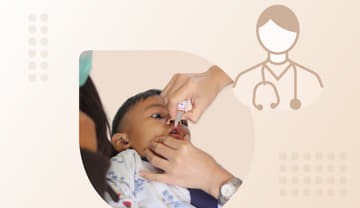
Polio can only be prevented by immunization. The vaccine, given multiple times, can protect a child for life. Due to the launch of a few initiatives like Global Polio Eradication, more than 18 million people who would otherwise have been paralyzed can walk today.
Overview
Key Facts
Symptoms
Causes
Risk factors
Diagnosis
Celebs affected
Specialist to visit
Prevention
Treatment
Complications
Alternatives therapies
Living with
FAQs
References
Frequently Asked Questions
People with mild polio symptoms usually recover within 1–2 weeks. A few people might develop "post-polio syndrome" after 30–40 years of their initial illness. While people with more severe symptoms can be paralyzed for life, and sometimes it can often lead to death.
Polio mainly affects children under five years. However, unvaccinated people of any age can contract the disease.
There is no cure for paralytic polio and no specific treatment. Physical therapy can sometimes help regain arm or leg strength and might improve long-term outcomes, primarily if implemented early in the illness.
It has been estimated that up to 30 to 40% of the 15 to 20 million known polio survivors worldwide develop some form of PPS.
Muscle and joint pain are common in PPS. Muscle pain occurs after using the affected muscle for an entire day, leading to muscle cramps and spasms.
Polio is still endemic in Pakistan and Afghanistan. It has been eradicated from the rest of the world.
Polio has life-threatening effects as it can affect the brain and spinal cord, causing paralysis or even death.
The effects range from asymptomatic (most common) to the most severe forms of debilitating paralysis. Various symptoms are discussed below:
1. Non-Paralytic Polio About 95% of people who get infected with polio won't have any symptoms. They are able to fight off the infection without even realizing they are infected.
In approximately a few cases, 4%–8% of polio infections result in a minor illness without any evidence of central nervous system invasion. This is known as abortive poliomyelitis. Complete recovery usually occurs in less than a week.
Few people experience a flu-like illness for 3 to 21 days after they are infected. The symptoms observed in this type of infection are:
2. Paralytic Polio Around 1 percent of cases can lead to paralytic polio. Paralytic polio causes paralysis of the spinal cord, brainstem, or both. The early symptoms are related to nonparalytic polio. But after a week, severe symptoms appear like
Muscle weakness
Tight joints (contractures)
Shrinking of the muscles (atrophy)
Deformities, such as twisted hips, feet, or legs
Loss of reflexes
Sudden paralysis (temporary or permanent)
Many people with paralytic poliomyelitis recover completely, and muscle function returns to some degree in several cases.
3. Post-Polio syndrome (PPS) Polio can return even after 15 to 40 years of recovery. Some common symptoms of Post Polio syndrome include
Easily exhausted or fatigued
Low tolerance to cold temperatures
Worse muscle pain
Muscle atrophy
Trouble with concentration and memory
It has been estimated that 25-50 percent of people who survive polio will get PPS.
Causes Of Polio
Polio is a highly infectious disease caused by the poliovirus.
Poliovirus only infects people. An infected individual can spread the virus to others before or up to 2 weeks after symptoms appear. An asymptomatic carrier can also infect others.
The poliovirus can survive in an infected person's intestines for many weeks. This can lead to the contamination of food and water in an unclean environment. Transmission can occur in the following ways:
Contact with the feces of an infected person
Droplets from a sneeze or cough of an infected person
Touching contaminated surfaces.
Close contact with an infected person.
Risk Factors For Polio
Polio tends to affect the most vulnerable members of the population. This includes pregnant, young children, and those with weakened immune systems.
Various risk factors for contracting the infection are as follows:
Not vaccinated against polio
Travel to countries where polio is widespread or endemic, like Pakistan or Afghanistan.
A weakened immune system
Tonsillectomy or having tonsils removed
Handling of a laboratory specimen of the virus
Diagnosis Of Polio
A general practitioner diagnoses polio by a detailed medical history, performing a physical exam, and testing samples of body fluids.
Medical history
This includes taking information like any travel to an area where polio is endemic or any contact with a person infected with polio.
Physical examination
This involves a complete body check-up. The function of respiratory muscles is examined as polio affects the spinal cord and the brain stem, which may infect the respiratory muscles. The muscle reflexes are also evaluated as there may be stiff neck and back muscles or difficulty lifting the head or legs while lying flat on the back.
Laboratory diagnosis
The following tests help in the diagnosis and confirmation of polio infection:
Virus isolation and detection
Virus isolation in culture is the most reliable method for diagnosing poliovirus infection. Poliovirus is usually isolated from stool specimens or throat swabs. Two samples are collected at least 24 hours apart from patients with suspected poliomyelitis to increase the chances of isolating poliovirus.
Cerebrospinal fluid analysis
The cerebrospinal fluid (CSF) can also be used for diagnostic testing of the virus. CSF is collected using a lumbar puncture (also called a spinal tap), in which a needle is inserted into the spinal canal to collect CSF.
Blood tests
Blood is tested for antibodies for poliovirus, produced by the body in defense against an invading virus or bacteria.
EMG measures electrical activity in response to a nerve's muscle stimulation. This test is used to help detect any neuromuscular abnormalities and differential diagnosis of muscle weakness in post-polio syndrome.
Fingerprinting the polio virus
Poliovirus is isolated and tested by a particular test called oligonucleotide mapping (fingerprinting) or genomic sequencing. This test helps look at the virus's genetic sequence to screen if the virus's origin is wild-type or vaccine-like. Wild-type viruses naturally occur in the environment, whereas a vaccine-like virus is derived after a spontaneous mutation of the virus's genes.
Book your tests from the comfort and safety of your home.
Specialist To Visit
There's currently no cure for polio, so treatment focuses on managing symptoms and improving the quality of life. A team often treats patients with different healthcare professionals. This is called a multidisciplinary team (MDT) of doctors.
The multidisciplinary team of doctors includes
General physician: Diagnoses polio by taking a detailed medical history, performing a physical exam, and advising necessary diagnostic tests.
Neurologists: Specialize in the treatment of problems affecting the nervous system.
Mobility specialist: Advice about mobility aids, such as walking sticks and wheelchairs.
Physiotherapist: Help patients improve their range of movement and coordination
Respiratory consultant: Deal with problems affecting breathing
Rehabilitation consultant: A specialist in managing complex disabilities
Get a consultation from our team of non-judgemental and trusted doctors.
Prevention Of Polio
There is currently no treatment for polio. However, it is a vaccine-preventable disease.
Vaccination is usually done in childhood. If you are not vaccinated as a child, ask your healthcare provider about your vaccination.
A healthcare professional will recommend four polio shots in childhood:
First shot at 2 months
Second shot at 4 months
Third shot between 6 and 18 months
Booster shot between 4 and 6 years
If a person is not vaccinated in childhood and is recommended to get vaccinated as an adult, that person will get three shots:
Two doses 1-2 months apart
A third dose is 6-12 months after the second
There are two types of vaccines:
Inactivated polio vaccine (IPV): The IPV contains poliovirus that is treated ("killed") so that it cannot multiply anymore. It has an inactive version of polio strains types 1, 2, and 3. IPV is administered as a series of shots (injections).
Oral polio vaccine (OPV): This is also known as the live attenuated polio vaccine. It uses a live virus that has been weakened (attenuated) and cannot make you sick. However, it creates an immune response in the intestines called mucosal immunity, which protects from polio infection. It is given in a liquid form orally.
Treatment Of Polio
There is no cure for polio. The management of this condition focuses on increasing comfort, speedy recovery, and preventing complications. Supportive treatments include:
Pain relief medications
Over-the-counter medication such as aspirin, paracetamol, or ibuprofen, and stronger NSAIDs and opiates can be prescribed by the doctor to help relieve pain. But these medications should not be taken for a long time as they can cause side effects, such as stomach ulcers. If these medications don't work, the physician may prescribe medicines like gabapentin for pain.
Rest and exercise
Staying active is beneficial for most people with post-polio syndrome, as it may slow down progressive muscle weakness. However, patients may find it challenging to stay active as symptoms may worsen over some time.
To overcome this issue, "pacing" techniques may be recommended. This involves
Prioritizing tasks
Taking regular breaks and rest during the day
Doing regular gentle exercise
Physical or occupational therapy
Physical therapy aims to ease pain and helps to function, move, and live better. This can help alleviate arm or leg weakness caused by polio and improve long-term outcomes, primarily if implemented early in the illness.
Mobility aids
Mobility aids are designed to assist in walking or improve the mobility of people with a mobility impairment. These include
Wheelchairs
Walking sticks
Braces to support weakened muscles or joints
Shoe inserts
The physical deformities with polio tend to affect the extremities and limbs. The physical effects of polio can lead to changes in gait and bone structure, and shoe inserts help move around without causing pain.
Using cold and heat compression
Alternate applications of heat and cold can help to relieve muscle pain and tension.
Managing the psychological impact
PPS can lead to a significant psychological impact as it can trigger anxiety, isolation, stress, and depression. Therefore, managing the symptoms and improving the quality of life is essential.
Healthy eating and managing weight
Being overweight can further strain weakened muscles and hurt energy levels and general health. A well-balanced and nutritious diet will help control weight and improve your overall health.
Here are a few practical weight loss tips.
Complications Of Polio
The most significant complications of polio infection include paralysis, fatal respiratory and cardiovascular collapse, and Post-polio syndrome (PPS).
It has been estimated that up to 30 to 40% of the 15 to 20 million known polio survivors worldwide develop some form of PPS. It has been characterized by new-onset or progressive muscle weakness in a patient previously diagnosed with poliomyelitis.
The other symptoms include myalgias, respiratory distress, joint pain, atrophy, dysphagia, and generalized fatigue.
Paralysis can often cause problems with breathing, swallowing, and bowel and bladder functioning.
Alternative Therapies of Polio
Massage Therapy
Massage under medical supervision can help a great deal to relieve muscle aches and pains. Targeting the right muscle areas for a perfect massage to relieve the symptoms is imperative. Applying herbal oils can also help enhance the effects of a massage and add to the relaxing effect.
Hydrotherapy
Hydrotherapy can do wonders for polio survivors due to reduced gravity and buoyancy, especially when the body is undergoing a lot of strain. A few hours in a swimming pool or tub for sore and aching joints relieve the muscles.
Living With Polio
Polio can have various adverse effects on the patient's lifestyle, depending on the severity of the symptoms. The challenge or ease of living with polio varies for each survivor, subject to the availability of medical care and rehabilitation opportunities and their family and social support. Various forms of rehabilitation and support include:
Polio patients often require assistive devices for movements, such as braces, canes, orthotics, and wheelchairs, so they can individually also take care of the daily chores of life.
Physical or occupational therapy can also help ease pain and enable them to function, move, and live better.
Emotional and caretaking are also required by the person dealing with polio. As this ailment can also lead to lifelong impairment, a helping hand or support from the family on the emotional ground can do wonders in recovery.
Want to know more?We provide you with authentic, trustworthy and relevant information
Disclaimer
Tata 1mg's sole intention is to ensure that its consumers get information that is expert-reviewed, accurate and trustworthy. However, the information contained herein should NOT be used as a substitute for the advice of a qualified physician. The information provided here is for informational purposes only. This may not cover all possible side effects, drug interactions or warnings or alerts. Please consult your doctor and discuss all your queries related to any disease or medicine. We intend to support, not replace, the doctor-patient relationship.
Did you know?
April 24th – April 30th (The last week of April) is observed as World Immunization Week every year. The aim is to promote vaccines across all age groups to protect against diseases.
Celebs affected
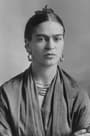
Frida Kahlo
Renowned artist Frida Kahlo contracted polio at the age of 6 years. She had to spend months in bed recovering from the disease. Although she was not paralyzed, her right leg was left noticeably shorter and thinner than her left one. Ulcers developed on her foot in the years that followed.
Joni Mitchell
Joni Mitchell, a Canadian-American musician, producer, and painter, contracted polio at the age of 9 years in the early 1950s. Her spine got twisted, and she couldn't walk and be paralyzed. After 40 years, she suffered from a resurgence of her symptoms in the year 1995. She started feeling extreme fatigue and muscle weakness for the second time.
Did our information help you?
In our relentless endeavour to keep improving our services, you are our eyes. Kindly take out sometime to guide us on how to serve your better.
Subscribe to stay informed
Subscribe to our carefully crafted informative emailers by Medical Experts and be the first to get the latest health news, tips and important updates.