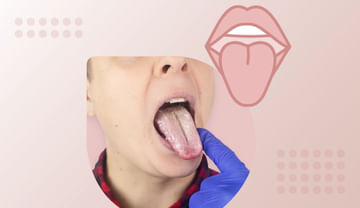
Oral thrush is an infection of the mouth caused by yeast-like fungus called Candida Albicans. It causes creamy white lesions, usually on your tongue or inner cheeks. Sometimes oral thrush may spread to the roof of your mouth, your gums or tonsils, or the back of your throat.
The symptoms of this condition include burning in the mouth, loss of taste, cracking at the corners of the mouth, pain or difficulty swallowing, a feeling of food getting stuck in the throat, and fever.
It can affect anyone, but it's more likely to occur in babies, older adults, and people with suppressed immune systems. Thrush in newborns and infants is common and usually not harmful and the outlook for mild cases of thrush is good. The prognosis for severe cases depends on the underlying cause and the status of the patient's immune system.
The best way to prevent this is by maintaining immaculate oral hygiene, maintenance of dentures in older patients, and regular visits to the dentist.
The treatment mainly consists of topical or systemic antifungal medications and milder can be managed with home remedies and over-the-counter antifungal mouthwashes and ointments. It is always necessary to diagnose the predisposing factors and treat the cause in case of recurrence.
Oral thrush can have many symptoms in the mouth, throat, and food pipe. These include:
In adults
Thick white or cream-colored deposits on inner cheeks, tongue, the roof of the mouth, and throat
Redness or soreness of the mouth
Cracking and redness at the corners of the mouth
Cotton-like feeling in the mouth
Loss of taste
Pain while eating or swallowing (if candidiasis is in the food pipe)
In children
Cottage cheese is like white coating which cannot be rubbed off easily.
Difficulty in feeding
Rashes on the nappy
Types of Oral Thrush
Oral thrush can be classified into the following:
Primary oral candidiasis (Group I)
Acute
Pseudomembranous: It is the most common type and is in newborns and immunocompromised patients, and elderly people.
Erythematous: It manifests as a painful localized red area. This type is seen more commonly in HIV patients.
Chronic
Erythematous: Also known as “denture stomatitis”, is a chronic inflammation of the mouth underlying a partial or total denture.
Pseudomembranous: This is characterized by extensive white patches that occur on the mouth, tongue, and throat.
Angular cheilitis: This a variant of oral candidiasis that classically presents as a white patch on the corners of the mouth and has the potential to evolve into cancer.
Median rhomboid glossitis: It is a very rare type of oral candidiasis that presents as a rhomboid-shaped erythematous patch in the center of the tongue.
Linear gingival erythema: Typically seen in HIV patients and clinically presents as an erythematous (red) line or band over the gums of one or more teeth.
Secondary oral candidiasis (Group II)
Candidiasis due to diseases such as
Thymic aplasia: It is genetic with decreased T-cell receptors compromising immunity.
Candidiasis endocrinopathy syndrome: It is a group of disorders characterized by recurrent or persistent superficial infections of the skin, tissue layers, and nails.
Causes Of Oral Thrush
A species of yeast like fungus called Candida causes oral thrush. The most common is Candida albicans, isolated from more than 80% of lesions.
Candida normally resides in the skin, mouth, throat, gastrointestinal tract, and vagina, of healthy individuals without creating any issues. It only attacks the body when the opportunity strikes and the immunity is compromised.
Know more about fungal infections of the private parts.
Risk Factors For Oral Thrush
Though oral thrush is not a life-threatening condition, it is quite common and can have an effect on general well-being. Various risk factors of oral thrush include:
Local factors
1. Saliva: Salivary gland dysfunction predisposes to oral candidiasis. Conditions affecting the quantity (like xerostomia) and quality of salivary secretions may lead to an increased risk of oral thrush.
2. Dentures: They create a favorable environment for candida organisms to thrive. The majority of the people wearing complete dentures are predisposed to candida infection.
3. Topical medications: The use of topical or inhalational corticosteroids and overzealous use of antimicrobial mouthwashes can temporarily suppress local immunity and cause alterations in the oral flora, thereby increasing the risk of candidiasis.
4. Smoking: Studies suggest that smoking alone or in combination with other factors, significantly affects the oral candida environment in the mouth.
Want to quit smoking? Try our smoking cessation range to help you get rid of this unhealthy habit.
5. Poor oral hygiene: The presence of deposits and tartar on the teeth and adjoining gums increases the risk of developing oral thrush. It was found that most patients with oral thrush maintain their oral hygiene unsatisfactorily.
Up your oral hygiene game from all new oral care products for all your dental needs.
6. Diet: Excessive intake of refined sugars, carbohydrates, and dairy products can enhance the growth of candida organisms by reducing the pH levels.
Want to know more about healthy eating habits?
Systemic factors
1. Age: Extremes of age, like infancy or old age, may predispose to oral thrush due to immature or weakened immunity.
2. Malnutrition: The deficiency of iron, essential fatty acids, folic acid, vitamins A and B6, magnesium, selenium, and zinc can help in the overgrowth of the candida species.
3. Medications: Prolonged use of drugs like broad-spectrum antibiotics and immunosuppressants that cause dry mouth (xerostomia) create a favorable environment for candida to grow.
4. Endocrine disorders: A more aggressive form of oral thrush is more prevalent in patients with endocrine dysfunctions such as diabetes and Cushing’s syndrome (a noncancerous benign tumor of the pituitary gland).
5. Immunodeficiency: Conditions such as Acquired Immunodeficiency Syndrome (AIDS) and Severe Combined Immunodeficiency Syndrome (SCID) that severely affect immunity are significant predisposing factors for candidiasis.
6. Cancer: The host defense mechanisms are compromised by chemotherapy and radiotherapy administered for the treatment of cancer. This significantly reduces immunity and leads to oral thrush.
7. Congenital conditions: Individuals affected by congenital conditions associated with the defective immune system are commonly predisposed to candida infections.
Diagnosis Of Oral thrush
Oral thrush is easily noticeable as a white patch in and around the mouth. To confirm the diagnosis or to rule out any other underlying health conditions your doctor will include:
Physical examination
To diagnose oral thrush, your doctor or dentist may examine your mouth to look at the lesions, where they are located, and if they are scrapable or not.
Blood tests
Your doctor may sometimes suggest a blood test to look for certain conditions that may make you more likely to develop an oral thrush such as a deficiency of iron, vitamin B12, or folic acid.
Laboratory tests
1. Histopathology examination: This consists of taking a small scraping of the active lesions to examine under a microscope.
2. Biopsy: Biopsy specimens should in addition be sent for histopathological examination when chronic hyperplastic candidosis is suspected.
3. Impression culture technique: Taking an impression of both the upper and lower jaw, to estimate the growth of the candida organisms.
4. Saliva collection: This simple technique involves taking the saliva of patients who show clinical signs of oral thrush.
5. Paper points test: An absorbable sterile point is inserted to the depth of the pocket and kept there for 10 sec. It is then treated with a solution to check for any growth.
Imaging test
In some rare cases endoscopy can be done to check for lesions deeper into the throat and food pipe.
Get your lab tests done with us, where patient comfort and safety are the utmost priority.
Prevention Of Oral Thrush
A healthy mouth is one of the keys to a healthy body. Fungal infections can be quite troublesome, but they can be prevented with certain simple practices. These include:
Maintaining proper oral hygiene
Good oral hygiene practices may help to prevent oral thrush in people with weakened immune systems. Careful mechanical cleaning of teeth and dentures with a toothbrush is the cornerstone of the prevention of candida infections.
Using medicated mouthwash
Chlorhexidine digluconate and cetylpyridinium chloride are antiseptic mouthwashes that can be used as prophylaxis for patients undergoing both chemotherapy and radiotherapy.
Shop from our extensive range of mouthwashes.
Rinsing the mouth after using the inhaler
People who use inhaled corticosteroids may be able to reduce the risk of developing thrush by rinsing their mouth with water or mouthwash after using an inhaler.
Keeping your dentures clean
For susceptible denture wearers, it is advisable to remove the denture at night and soak in 0.2% chlorhexidine solution or 15–30 min in white vinegar.
Quit smoking
Smoking is associated with a variety of changes in the mouth that cause oral thrush, the most common opportunistic fungal infection. So, quitting smoking can help prevent recurrent oral thrush.
According to WHO, smoking is one the leading cause of death in India, causing 1.3 million deaths every year. Know the tips that can help you quit smoking.
Visit your dentist regularly
Regular oral and dental checkups by your dentist can help in the diagnosis of any early signs of oral thrush. Professional cleaning of the teeth and reiterating oral hygiene tips by the dental professional can help maintain oral health and limit the chances of developing any infection.
Know your doctors. There are different types of dentists for different oral health issues.
Specialist To Visit
Oral thrush can be easily managed by an over-the-counter antifungal gel. But, if you leave oral thrush untreated, the infection can spread to other parts of the body. Doctors that can help in the diagnosis and treatment include:
Dentist
General physician
Pediatrician
Severe oral thrush infections may require consultation with:
Immunologist
Infectious-disease specialist
Internal medicine specialist
When to visit your doctor without delay?
If your baby ( under 4 months) shows signs of oral thrush
If there is no improvement after using an antifungal mouth gel for 1 week
If you have difficulty or pain while swallowing.
If you are facing any such issue, seek advice from our professionals.
Treatment Of Oral Thrush
Candida infections today are highly prevalent, especially with the increase in people wearing removable dentures and an overall increase in poor oral hygiene habits. The drugs of choice are antifungal agents which can be classified into:
Topical antifungal agents
Topical antifungals are usually the drug of choice for uncomplicated, localized forms of oral thrush in patients with normal immune function. They include:
Systemic antifungals are usually indicated in cases where there is a wide speed of the disease or in patients with a compromised immune system. These drugs include:
General treatment guidelines include an early diagnosis, correction of predisposing factors or underlying diseases, and maintaining good oral hygiene. Apart from these, there are certain home remedies that you can try to relieve the oral thrush symptoms. They include:
Lukewarm salt water rinses
Salt is believed to have antifungal properties, hence, some believe an at-home lukewarm salt water rinse can be soothing for oral thrush symptoms and other oral problems.
Probiotics
These are nothing but the “good” bacteria that provide many amazing health benefits. Studies show that probiotics restore the balance of flora in your mouth so that Candida Albicans don’t overgrow.
Unsweetened yogurt should be consumed while taking antibiotics. Lactobacillus acidophilus supplements can also help in maintaining a healthy level of Candida.
This is essentially fermented apple juice that has natural antifungal properties and may fight the growth of candida. However, the role of apple cider vinegar is unclear in the prevention and treatment of oral thrush.
Always dilute the apple cider vinegar, as it is acidic and can damage the outer layer of the teeth. Try to consume it with a metal straw to minimize exposure to teeth. Check out our range of apple cider vinegar.
Lemon juice is considered a natural antifungal. You can also use a mixture of lemon juice and a cup of water as a mouth rinse. While more research is necessary on this, lemon juice can be beneficial for people with HIV-related oral thrush.
Gentian violet (1%)
It is an over the counter antiseptic dye used to fight bacteria, fungi, and parasites. Studies have shown effectiveness against candida Albicans due to its antifungal properties. To use it, apply it on a cotton swab and gently dab the white patch. However, it is advised to consult your doctor before using gentian violet.
Baking soda
It can kill the candida albicans and maintain a healthy pH in the mouth. You can mix 1-2 tablespoons of baking soda with water to form a paste. Apply this paste with a cotton ball on the affected areas. Let it sit for a few minutes and then rinse with warm water. Repeat this three times a day for several days.
You can also mix ½ teaspoon baking soda into a glass of water and use it as a mouth rinse twice daily.
Essential oils
Using essential oils may be a potential remedy for oral thrush. Some of them with maximum benefits include:
Clove oil: It is a natural painkiller and using it as a mouth rinse can prove to be beneficial.
Lemongrass oil: This oil has antimicrobial properties, and can inhibit the growth of candida Albicans.
Tea tree oil: Rinsing the mouth with 1 tablespoon tea tree oil solution four times daily effectively treats oral thrush in AIDS patients.
Studies have shown that pomegranate peel is a good source of antifungal activity against Candida albicans.
Here are 7 more benefits of pomegranate.
Complications Of Oral Thrush
Oral thrush is not a very serious condition and it may be managed easily in healthy individuals. But, a main cause of concern is for immunocompromised patients, who are at a greater risk of a widespread disease leading to complications. These include:
Dysphagia: This means difficulty in swallowing. The throat develops multiple white patches leading to pain while swallowing, burning or itching in the throat or back of the mouth.
Respiratory distress: Thrush can easily spread to other parts of your body, including the lungs which may lead to difficulty in breathing and distress.
Candidal esophagitis: Candidiasis in the esophagus (food pipe) is called esophageal candidiasis or candida esophagitis. This is a prevalent complication of oral thrush in those with HIV/AIDS.
Alternative Therapies For Oral Thrush
Oral thrush can be irritating, but mild ones do not generally cause a lot of problems. Apart from following certain rigorous oral hygiene and antifungal medications, certain alternate therapies have shown promising results with recurrent infections. Some of them include:
Traditional Chinese medicine
The use of Chinese herbs is a time-honored approach to strengthen the body and treat disease. In a study, it was discovered that a Chinese herbal formula (Cao Huang Gui Xiang-CHGX) showed potent antifungal activities against the major human fungal pathogen Candida albicans and other clinical Candida species.
Homeopathy
Although few studies have examined the effectiveness of specific homeopathic therapies, professional homeopathic doctors may consider remedies based on their knowledge and experience in treating candidiasis.
Read about 6 homeopathy facts that everyone should know.
Did you know?
Dandruff, diaper rash, and athlete’s foot are types of fungal infections. Read more on fungal infections of the skin.
Did you know?
Candidiasis and COVID-19 infections are interlinked. Research has shown that candidiasis is significantly associated with an increased risk for COVID-19 and COVID-19 may be a risk factor for candidiasis. Read more on COVID-19.
Did you know?
Oral candidiasis is seen in many patients between 1 to 30 days after the emergence of COVID-19 symptoms. Get all your FAQs answered on COVID-19.
Frequently Asked Questions
Yes. Thrush can be contagious to those at risk i.e infants, older age people, and immunocompromised patients. In healthy individuals, it is unusual for it to be passed on through kissing or other close contacts.
Candida can cause breast and nipple pain in breastfeeding women. This can lead to oral thrush in the mouth of breastfed babies.
Generally, mild oral thrush goes away on its own without treatment. Persistent or recurrent infection may require antifungal medications that can be taken orally or applied as ointments directly to your mouth.
Antifungal mouthwashes are another option for treating oral thrush.
The incubation period for oral thrush is about two to five days, after which the symptoms start to appear. It may start from the mouth and if not managed properly can spread to the throat, and food pipe as well.
Oral thrush should clear up in about two weeks with appropriate treatment. Without treatment, it may last up to eight weeks or longer.
In our relentless endeavour to keep improving our services, you are our eyes. Kindly take out sometime to guide us on how to serve your better.
Subscribe to stay informed
Subscribe to our carefully crafted informative emailers by Medical Experts and be the first to get the latest health news, tips and important updates.
Want to know more?We provide you with authentic, trustworthy and relevant information
Have issues with the content?
Disclaimer
Tata 1mg's sole intention is to ensure that its consumers get information that is expert-reviewed, accurate and trustworthy. However, the information contained herein should NOT be used as a substitute for the advice of a qualified physician. The information provided here is for informational purposes only. This may not cover all possible side effects, drug interactions or warnings or alerts. Please consult your doctor and discuss all your queries related to any disease or medicine. We intend to support, not replace, the doctor-patient relationship.