Risk Factors Of Leptospirosis
Understanding the risk factors of leptospirosis is crucial for preventing this bacterial infection. They include:
1. Occupation
Direct contact with animals and activities that can lead to skin abrasions and water or soil exposure, such as clearing brush, trekking, and gardening are associated with a high risk of leptospirosis. The occupations which are more susceptible include:
-
Sewage workers
-
Butchers
-
Farmers
-
Veterinarians
-
Hunters
-
Fish workers
-
Dairy farmers
-
Military personnel
2. Outdoor activities
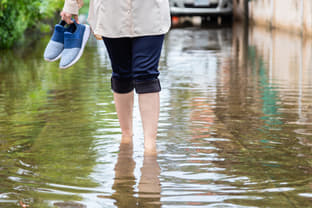
Swimming, rafting, kayaking, wading, or boating in flood water or freshwater (rivers, streams, lakes) that may be contaminated with animal urine increase the risk of leptospirosis.
Prolonged immersion or submerging head, or swallowing contaminated water can particularly increase risk.
3. Household exposure
Potentially contaminated sources like pet dogs, domesticated livestock, rainwater catchment systems, and infestation by infected rodents can increase the risk of leptospirosis.
4. Low socioeconomic status
Living in overcrowded urban areas with poor sanitation is also a known risk factor for getting infected with this infection.
5. Travel to endemic areas
Travel to areas with heavy rainfall or flooding can also lead to leptospirosis.
6. Mother-to-child transmission
An infected mother can transmit the infection to her baby during pregnancy or childbirth. It is important to seek medical care and take preventive measures to reduce the risk of transmission and protect both the mother and the baby.
Did you know?
Leptospirosis in pregnancy may be misdiagnosed as it can mimic other pregnancy-associated conditions, including infections, pregnancy-associated hypertension, acute fatty liver, and HELLP (hemolysis, elevated liver enzymes, and low platelet count syndrome).