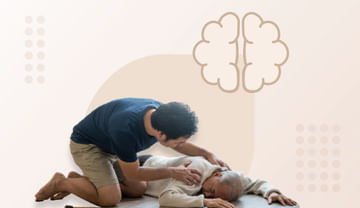
Fainting (syncope) is the partial or complete loss of consciousness with disruption of awareness of oneself and one's surroundings. It is followed by spontaneous recovery to full wakefulness. Syncopal episodes may occur suddenly with or without preceding signs or symptoms like dizziness, lightheadedness, nausea, and visual disturbances.
The most common triggers for syncope include standing for long periods of time, exposure to heat, the sight of blood, fear, anxiety, or physical strain. Syncope can also occur due to any underlying condition affecting the heart or the nervous system. While syncope can occur to anyone, men above the age of 60 years are at a higher risk.
The best way to prevent syncope is to avoid the triggers, stay hydrated, eat meals on time, and not over-exert oneselves.
Fainting is relatively common and not life-threatening. However, some causes of fainting can be a warning sign of an underlying disease which needs proper diagnosis and treatment to prevent any episodes in the future.
Fainting (Syncope) can occur suddenly and with or without any preceding signs or symptoms. Some of the symptoms that start prior to syncope may include:
The brain requires blood flow to provide oxygen and glucose to its cells to sustain life. Fainting is caused by a decrease in blood flow to the brain because of the following reasons or a combination of them:
The heart fails to pump the blood.
The blood vessels lack enough tone to maintain adequate blood pressure to deliver the blood to the brain.
There is not enough blood or fluid in the blood vessels.
Some of the most common types of syncope and their causes are discussed below:
1. Vasovagal syncope
It is the most common type of syncope caused by a sudden drop in blood pressure, which causes a drop in blood flow to the brain. The most common triggers for vasovagal syncope include:
Prolonged standing
Fear of injury
Physical or psychological stress
Dehydration
Bleeding
Pain
Strain
Heat exposure
Sight of blood
When an individual stands, gravity causes blood to settle in the lower part of the body, leading to syncope. In some cases of physical trauma, the body lowers blood pressure and heart rate to reduce the amount of bleeding, which causes syncope.
2. Situational syncope
Situational syncope occurs when a specific situation act as the trigger for a syncopal episode such as:
Urination
Defecation
Forceful coughing
Sneezing
Swallowing
Post-exercise
Dehydration
Intense emotional stress
Anxiety
Fear
Pain
Hunger
Use of alcohol or drugs
Breathing in too much oxygen and getting rid of too much carbon dioxide too quickly.
3. Cardiogenic syncope
Various heart conditions can cause fainting. These include:
Heart beating too fast or too slow
Abnormalities of the heart valves
Widespread disease of the heart muscle
Blockage of blood flow from the heart
Take care of your heart with our extensive heart care range.
4. Orthostatic hypotension syncope
It is a transient loss of consciousness due to reduced blood flow to the brain due to the following reasons:
Volume depletion: Inadequate fluid intake (hot weather), diarrhea, vomiting, etc.
Drug-induced orthostatic hypotension: Alcohol, vasodilators, diuretics, and beta-adrenergic blockers
Diseases of the nervous system: These include Parkinson’s disease(a progressive disorder that affects the nervous system causing tremors in the body), Lewy body dementia (a disease associated with abnormal deposits of a protein leading to forgetfulness), diabetes, amyloidosis (build-up of proteins called amyloids in the organs), and spinal cord injuries.
April 11th is observed as World Parkinson’s Day every year. The aim is to raise awareness about the condition. To know more about parkinson’s disease.
It is caused by a very fast heart rate (tachycardia) that happens when a person stands after sitting or lying down. Usually when a person stands, the nerves send signals to the blood vessels in the lower body to tighten. The tightening vessels work against gravity to keep blood from collecting in the legs. If there is not enough blood flow to the brain, a person may feel lightheaded or pass out every time they stand.
This condition is most common in women, but it can occur in men as well.
7. Other causes
The lesser common causes of syncope include:
Hypoglycemia (low blood sugar)
Hypoxia (decreased oxygen)
Symptomatic anemia
Tumor in the heart
Panic attacks
Risk Factors For Fainting
Fainting (Syncope) is common in older adults, but younger people without cardiac disease may experience syncope while standing or have specific stress or situational triggers.
High levels of troponin in the blood (an indicator of recent heart attack)
Know in detail about the symptoms, causes, risk factors and treatment for heart attacks.
Diagnosis Of Fainting
Fainting (Syncope) may not be life-threatening, but repeated syncopal episodes can be a cause of worry. Diagnosing the actual cause of syncope is very important to prevent further episodes. The syncope diagnosis includes:
A. Medical history
A thorough history can provide valuable information in determining the etiology of a syncopal episode. Information about current medications and pre-existing medical conditions such as diabetes, heart disease, or psychiatric illness can help pinpoint the cause of syncope.
B. Physical examination
Physical exams should focus on examining the vital signs of the patient through neurologic and cardiac examinations. The doctor will measure your heart rate and blood pressure to help determine if a rhythm disturbance or low blood pressure caused the syncope. You may be asked to sit or stand while the blood pressure is measured to test for orthostatic hypotension.
C. Investigations
Tests to effectively diagnose syncope include:
Electrocardiogram (ECG): ECG is a widely available and inexpensive method that records the electrical signal from the heart and provides information about the potential and specific causes of syncopes like abnormal heart rhythms and other cardiac problems.
Echocardiogram: This test uses ultrasound imaging to view the heart and is used in patients with unexplained syncope and with a positive cardiac history or abnormal ECG.
Treadmill test (TMT): Also known as an exercise stress test that studies heart rhythms during exercise. It's usually conducted while you walk or jog on a treadmill.
Blood tests: These are routine blood tests like complete blood count (CBC) to check for anemia, which can cause or contribute to fainting spells.
Tilt table test: This test is done when there are no heart problems associated with syncope. During the test, the patient is asked to lie flat on their back on a table that changes positions, tilting upward at various angles and a technician monitors the heart rhythms and blood pressure to see if changing their posture affects them.
Blood volume determination: This test determines if the individual has the right amount of blood in the body, based on their gender, height, and weight. Studies show that measuring blood volume may explain the mechanisms of syncope in individuals with unknown causes of syncope.
Rhythm monitoring: Heart rhythm monitoring may be recommended to diagnose rhythm problems that come and go and have not been detected with a routine ECG. These include:
Holter monitor: This is a device that monitors your heart rhythm while performing normal daily activities at home for 24 or 48 hours.
Event recorder: An event recorder may be recommended to capture rhythm problems associated with a syncopal episode.
Implantable loop recorder: This provides a way to monitor rhythms over an extended period of time i.e 18 to 24 months.
Electrophysiology study: An electrophysiology study (EPS) may be performed if you have heart disease or if you have rhythm problems. Susceptibility to abnormal rhythms can then be assessed under controlled, safe conditions.
Electroencephalogram: It involves the measurement of electrical activity in the brain. It is used to diagnose seizures but may be part of the evaluation of unexplained "collapse" events.
Hemodynamic testing: This test checks the blood flow and pressure inside the blood vessels when the heart muscle contracts and pumps blood throughout the body.
Autonomic reflex testing: A series of tests that monitor blood pressure, blood flow, heart rate, skin temperature, and sweating in response to certain stimuli are done to check if there is nerve damage causing syncope.
Specialist To Visit
Syncope can cause injuries from the loss of consciousness. Doctors that can diagnose any underlying cause of syncope and treat it include:
General physicians
Cardiologists
Neurologists
A cardiologist is a doctor who specializes in the study or treatment of heart diseases and heart abnormalities. A neurologist is a specialist who treats disorders of nerves and the nervous system.
Note: Syncope can be a sign of something more serious, such as a heart or brain disorder. Seek advice from our world-class doctor without any delay after a fainting spell, especially if you've never had one before.
Prevention Of Fainting
Recurrent syncope has effects on quality of life and the degree of impairment is proportional to syncope frequency. Some things to keep in mind to prevent the next syncopal episode include:
1. Eat right
Eat regular meals and do not skip meals as low blood sugar levels can also cause syncope. Increase your salt intake as it expands your blood volume by retaining fluids preventing a drop in your blood pressure.
2. Know your triggers
Having an understanding of what causes syncope for you and then avoiding it can help prevent future episodes. Talk to your doctor to understand the cause of your episodes and take all your medications on time as prescribed by the doctor.
3. Manage presyncope symptoms
Lie down when you feel the symptoms of syncope starting and do not exert yourself too much. Do not exert yourself too much and if you stand in a place for a long time make sure to keep moving your legs. You can also try simple exercises to raise blood pressure like leg crossing, squatting, and tensing of legs and buttocks.
4. Use compression stockings
By exerting pressure against the legs, compression stockings reduce the diameter of the veins and increase blood flow in the legs.
5. Stay hydrated
Dehydration can be one of the most important yet neglected causes of syncope. Dink at least 2 liters of water a day to keep yourself wee-hydrated.
6. Avoid long and hot showers
Heat causes blood to shift to the superficial tissues and hot water dilates blood vessels, thus, dropping the blood pressure.
7. Cope up with your anxiety
If you have anxiety make sure to calm down to prevent syncope. Find ways of managing your anxiety with meditation, yoga, or exercise.
Yoga is more than just exercise. Read more about the 12 health benefits of yoga.
8. Stop smoking
Tobacco can cause the blood vessels to constrict and if it is done while standing it can trigger orthostatic syncope.
Try our smoking cessation range if you are keen on quitting this deadly habit.
Treatment Of Fainting
Treatment of the underlying cause is the focus of treatment in fainting. During an acute episode, patients should be made to sit or lay down quickly, and raising the legs help recovery. Treatment of any injuries sustained during a sudden fall from syncope should be given immediate attention. Treatment options depending on types of syncope include:
1. Vasovagal syncope
Conservative measures include avoiding situations or stimuli that have caused them, increasing the use of salt and fluid, and making lifestyle modifications. Other modalities include:
Drug therapy: Many agents have been prescribed for vasovagal syncope that might be useful if conservative measures fail, there include:
Tilt Training: This consists of long periods of upright posture and has been recommended in patients who have high symptoms of syncope. Long-term benefit has yet to be demonstrated with attrition of compliance with the rule.
Device Therapy: On the basis of limited yet compelling randomized, controlled trial data, permanent pacing is indicated in carotid sinus syndrome, and this response clinically manifests as syncope.
2. Orthostatic hypotension
The treatment for this type of syncope is generally conservative consisting of:
Rising slowly from sleeping and sitting position
Avoiding medications like diuretics, and vasodilators
Use of compression stocking to improve blood circulation
Intravenous fluids in patients who are dehydrated
Using protamine in unmanageable cases.
3. Cardiac syncope
Treating underlying conditions is the goal of this kind of syncope. Patients with syncope and underlying heart disease need regular follow-ups with their physician and cardiologist.
The goals of treatment are to reduce mortality, injury, and recurrences. Treatment is obviously best directed at the correction of the underlying cause when this is possible. Surgery to incorporate a pacemaker may be required in conditions like slow or rapid heartbeats.
A healthy heart is the key to a healthy body. Learn tips and tricks to keep your heart healthy.
Home-care For Fainting
Fainting (Syncope) may be caused by a serious underlying health condition, so, always check with your doctor before taking any herbs or supplements. Some of the home remedies that can help you with recurrent episodes of syncope include:
A. Nutrition and supplements
Omega-3 fatty acids: Such as fish oil may help reduce inflammation and improve heart health. Cold-water fish, such as salmon or halibut, are also good sources.
Buy omega-3 and fish oil products online from the comfort of your home to amp up your health.
Alpha-lipoic acid: It is an antioxidant that may be good for heart health. People who take thyroid hormone should ask their doctors before taking alpha-lipoic acid.
L-arginine: This is an antioxidant that may help promote good circulation. People who have a history of a heart attack, heart disease, low blood pressure, or circulatory issues should speak to their doctors before taking L-arginine.
Whole grains: Add high-fiber foods such as beans and whole grains. Lean protein meat like fish and chicken are also good choices. These take longer to digest and do not cause a sudden drop in blood pressure.
Read how whole grains can help you stay healthy and slim.
B. Herbs
Herbs have been used to strengthen the body and treat diseases. However, herbs can trigger side effects and interact with other herbs, supplements, or medications. Always talk to your doctor before starting anything new. Some of hers that can prove to be very beneficial include:
Green tea:It is rich in antioxidant and anti-inflammatory substances that may be good for your heart health.
Blueberry: This is an antioxidant that helps promote good circulation. These may increase the risk of bleeding, especially if you also take blood thinners.
Apple cider vinegar: One common cause of dizziness is low blood sugar, but apple cider vinegar might help with that, according to a study in diabetes care.
Ginger (Adrak): Ginger delivers a lot of surprising benefits including reducing nausea, which can be a proponent of symptoms prior to the syncopal episode.
Complications Of Fainting
Fainting (Syncope) is not a sign of a fatal disease, particularly if it only happens once. Complications of syncope are injuries or fractures from falls or fainting. The elderly have a higher risk for injury than younger people who go into syncope.
Alternative Therapies For Fainting
Always remember to get approval from your doctor before starting any complementary or alternative therapy as some of the therapies may be contraindicated from the ongoing treatment. Alternative therapies, that can prove beneficial in managing or preventing syncope include:
1. Homeopathy
Syncope has been treated by homeopathy and requires detailed specific prescribing of the "right" homeopathic remedy. An experienced and certified homeopath will assess your individual constitution and symptoms, and then recommend remedies.
2. Acupuncture
Acupuncture may help treat syncope. Studies have shown that acupuncture uses the technique to regulate yin and yang which promotes the reproduction of the body fluids and replenishes and restores circulation.
Acupuncture does not often cause side effects or complications, although some people may faint during acupuncture treatments, it is not considered a serious complication.
3. Massage therapy
You can actually activate your body’s acupressure points to relax and self-treat. But getting a massage is a more fun and relaxing activity that promotes a sense of calm and can help short-circuit dizziness. A soothing massage with lavender essential oil may help you if you’re prone to feeling anxious.
Check out our range of body massagers to get rid of those tense muscles and relax.
Did you know?
The frequency of syncope is 15-39% in the general population. Know more about first aid tips for the management of syncope.
Did you know?
The cause of syncope is unknown In about one-third of patients. Understand better about anxiety and panic attacks.
Did you know?
Sometimes, fainting may be due to drops in a hormone called cortisol. Ask your doctor about testing for low cortisol.
Did you know?
Syncope is not a common manifestation of COVID-19, but certain studies suggest that it may occur in some cases.
Frequently Asked Questions
Syncope is another word for fainting or passing out. Someone is considered to have syncope if they become unconscious and then soon recover. For most people, syncope is not a common occurrence and is not a sign of serious illness.
Recurrent syncopes can be an alarm for some other underlying neurological or cardiac illness. Seeing a specialist and getting appropriate tests done will help your doctor diagnose or treat the cause of your syncope.
With the proper diagnosis and treatment, syncope can be managed and controlled. Your risk of another episode and how the condition affects you depends on several factors, including the cause and your age, gender, and other medical problems you have.
People can feel dizzy for a lot of different reasons, including vertigo, which is usually a problem with the ears, or other causes of dizziness that have to do with the nerves.
Yes, syncope can occur when your body overreacts to certain triggers, like the sight of blood or extreme emotional distress. The trigger causes your heart rate and blood pressure to drop suddenly.
In our relentless endeavour to keep improving our services, you are our eyes. Kindly take out sometime to guide us on how to serve your better.
Subscribe to stay informed
Subscribe to our carefully crafted informative emailers by Medical Experts and be the first to get the latest health news, tips and important updates.
Want to know more?We provide you with authentic, trustworthy and relevant information
Have issues with the content?
Disclaimer
Tata 1mg's sole intention is to ensure that its consumers get information that is expert-reviewed, accurate and trustworthy. However, the information contained herein should NOT be used as a substitute for the advice of a qualified physician. The information provided here is for informational purposes only. This may not cover all possible side effects, drug interactions or warnings or alerts. Please consult your doctor and discuss all your queries related to any disease or medicine. We intend to support, not replace, the doctor-patient relationship.