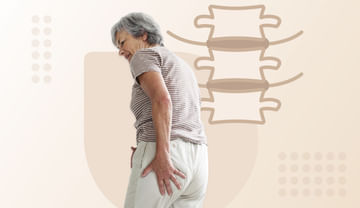
Sciatica is a serious condition that results from pressure on the sciatic nerve, the largest nerve in the human body, formed by the union of 5 nerves from the lower part of the spine. The most common cause of sciatica is related to discs like disc herniation or bony overgrowths. Causes not related to the disc may include cancer, infections, or compression of the blood vessels.
Individuals with sciatica experience pain, numbness, pricking or stabbing sensation, and muscle weakness in the sciatic nerve distribution. Sciatica pain often is worsened by twisting, bending, or coughing. Sciatica may be triggered by improper posture, too long standing or sitting in the same place, obesity, and increased height.
This condition is usually seen in older adults. Women are more commonly affected by men. Severe injury to the nerve can cause a drop foot effect, i.e. difficulty lifting the front part of the foot. Other complications may include loss of bowel and bladder control.
Treatment generally varies depending on the severity and cause of the condition. Various management protocols include conservative treatment like staying active, painkillers, acupuncture, epidural steroid injections, spinal manipulation, and physical therapy. Surgery may be required in severe cases.
The sciatic nerve is the largest nerve that branches from the lower back through your hips, buttocks, and down each leg. Sciatica presents itself with pain along the pathway of the nerve, including the lower back, buttock, and the back of the thigh and calf. The symptoms include:
Unilateral leg pain
Pain in the lower back
Radiating pain to foot or toes
Numbness and burning in the distribution of the nerve
Increased pain in keeping the lag straight
Decreased range of motion of the hip joint.
Causes Of Sciatica
Sciatica symptoms occur when there is pathology anywhere along the course of the nerves. Sciatica develops in many ways; among them, the most common are the following:
Herniated discs: This condition occurs when the soft center of a spinal disc pushes through a crack in the more rigid exterior casing of the spine.
Degenerative disc disease: It is a natural aging process that acts as a precursor to disc herniation.
Lumbar (lower back) spinal stenosis: It is the narrowing of the sciatic nerve
Isthmic spondylolisthesis: This condition results from the vertebra slipping forward on the sacral, pinching the nerve root as it leaves the spine.
Piriformis syndrome: This occurs when your piriformis muscle (muscle in the gluteal region of the lower limbs) compresses the sciatic nerve and results in swelling and redness.
Malignancy (cancer): Metastatic (spreading) bone or soft tissue cancer, sciatic nerve cancer, hemangioblastoma (type of brain tumor)
Infection: That can lead to abscess formation and inflammation of the disc.
Vascular compression: Compression of the blood vessels can lead to the formation of a pseudoaneurysm (occurs when blood walls of the blood vessels are injured).
Bony compression: Overgrowth of bones in the sciatic nerve distribution can put pressure on it.
Gynecological cause: Studies have shown that uterine fibroid and endometriosis (overgrowth of the inner lining of the uterus) can also cause sciatica.
Did you know?
Sciatica in COVID-19 patients is not uncommon.
Studies have suggested that sciatic neuropathy can be seen in patients being treated for COVID-19 and that they need prolonged rehabilitation.
Risk Factors For Sciatica
Sciatica may be caused due to reasons related to the disc or non-discogenic causes. However, your chances of getting sciatica increase with the following factors:
Age
As you age, the changes in your spine can lead to bony overgrowths and herniated discs, the most common causes of sciatica.
Genetic predisposition
Studies suggest that lumbar disc disorders, characterized by disc herniation, have a vital genetic component that can lead to sciatica.
Occupation
Particularly if associated with physical activity, especially flexion/torsion of the trunk, arms frequently raised above shoulder height, and driving motor vehicles.
Incorrect walking posture
While walking, your shoulders should be back, down, and relaxed, as improper posture can compress your lumbar discs and cause sciatic nerve irritation.
Jogging
It can predispose you to pain if you have a history of back or lumbar problems. Research shows that joggers have a lower risk for incidental sciatic pain but a higher risk for persistent symptoms.
Smoking
Studies demonstrate that smoking is a modest risk factor for lumbar pain and clinically verified sciatica.
Sciatica is linked to feeling overwhelmed or under pressure, and stress can exacerbate musculoskeletal conditions, including nerve pain.
Read about 5 relaxation techniques to keep stress and anxiety at bay.
Diagnosis Of Sciatica
Sciatic pain can mimic any other nerve pain, and it is essential to diagnose it correctly for the proper treatment. Sciatica is mainly diagnosed by the following:
Medical History
A complete history is required to determine the localization, severity, loss of strength, sensibility disorders, duration, course, influence of coughing, rest, or movement, and consequences for daily activities.
Patients generally mention radiating pain in the leg with sensory symptoms like numbness, burning, or tingling. They may be asked to show the distribution of the pain and whether it radiates below the knee.
Physical examination
It largely depends on neurological testing. The most applied investigation is the straight leg raising test or Lasègue’s sign. Lasègue’s sign is positive if the angle to which the leg can be raised (upon straight leg raising) before complaining of pain is <45°.
Note: Patients with sciatica may also have lower back pain, which is usually less severe than leg pain.
Imaging tests
Imaging may be indicated at this stage only if indications or “red flags” like infections, cysts, tumors, or fractures, rather than disc herniation. These tests include:
X-ray: Radiographs of the spine may reveal any overgrowth of bone that can be pressing on a nerve.
CT scan: A non-contrast computed tomography (CT) scan may be performed to evaluate fracture if plain radiographs are negative. CT is also done to assess any soft tissue anomalies.
MRI: Magnetic resonance imaging (MRI) is indicated if the pain is persistent for more than 6-8 weeks to rule out any neurologic deficit is present or a mass effect is suspected.
Electromyography (EMG): It is a minimally invasive diagnostic test that evaluates how well the electrical signals between nerves and muscles are working. It is done to determine the severity of nerve damage.
Book your tests for a hustle-free experience
Prevention Of Sciatica
Prevention is always the best course of action for any disorder. The best strategies for preventing sciatica include:
Avoid prolonged rest
Too much rest can aggravate sciatica pain. Stay active as much as possible. Here are a few tips that can help you with it:
Use the stairs instead of an elevator
Make sure to get up and move every 30 minutes
Switch to a standing desk with an adjustable height
Add simple stretches that you can do while sitting on your office chair
Go for regular, short walks
See a physical therapist and make exercise a part of your daily routine
Exercise regularly
Beneficial exercises to prevent sciatica include walking, swimming, pilates, and yoga. It strengthens the abdomen and back muscles that support the spine.
Sleep in the correct posture
One strategy is to lie flat on the back and bend the knees slightly while keeping the buttocks and heels flat against the bed. You can also practice stretching before sleeping and using a firm mattress to support your back.
Burn that extra fat
Obesity is one of the critical risk factors in the development of sciatica. Losing weight can help relieve sciatica and prevent it in the long run.
Want to lose weight the right way?
Read more about weight loss tips that can work for you.
Be mindful of your postures
When sitting or standing, keep your back straight and shoulders back to relieve the pressure on the back. Sitting in the same position or habitual slouching while working at the desk for a long time can also harm your back.
Lift weights with the proper technique
A sudden lifting injury can herniate your disc, impinging or irritating a sciatic nerve root. We often tend to lift objects improperly, keeping the back straight while rising with the hips and legs.
Say no to smoking
We all know the terrible effect that smoking has on our bodies. Studies show that abstaining from smoking can reduce, but not eliminate, the excess risk of developing sciatica.
Try out an extensive range of smoking cessation products to eliminate this deadly habit.
Specialist To Visit
Sciatica is a disorder of the nerve. The doctors who can diagnose and treat sciatica include:
Neurologists
Neurosurgeons
Orthopedic surgeons
A neurologist and neurosurgeon are specialists who treat diseases of the brain and spinal cord, peripheral nerves, and muscles. An orthopedic surgeon is a doctor with special training in diagnosing and treating injuries and conditions of the musculoskeletal system.
When to see a doctor?
See a doctor immediately if:
The pain persists for more than a week or worsens
Numbness or weakness in the leg
Loss of bowel or bladder control.
If you or your loved ones are experiencing any such symptoms, don’t hesitate and seek advice from our trusted team of doctors.
Treatment Of Sciatica
While sciatica may not be a life-threatening disease, it can severely affect the quality of life, taking a toll on the mind and body. Various treatment options of sciatica include:
Conservative management
This consists of explaining the cause of the symptoms and reassuring the patients that symptoms usually diminish over time, even without specific measures. Advise them to stay active and continue daily activities with yoga or stretches to relieve the pain.
Pharmacological management
If there is a lot of pain, certain medications are prescribed to provide relief. These include:
1. Anticonvulsant medications: Research supports the use of anticonvulsants that can relieve pain caused by damaged nerves. These include:
2. Tricyclic antidepressants (TCAs): TCAs are the most studied antidepressants for the treatment of pain related to the nerves. Amitriptyline is most commonly used for management of sciatica.
3. SNRIs: Serotonin and norepinephrine reuptake inhibitors (SNRI) are antidepressants that help relieve depression symptoms and are also used for anxiety disorders and nerve pain. The drugs used in sciatica include:
5. Epidural steroid injections: These can temporarily relieve sciatica and help a patient progress with rehab and exercise.
Surgery
Surgical intervention for sciatica focuses on removing herniated discs and, eventually, part of the disc to eliminate the suspected cause of sciatica. Treatment is aimed at easing the leg pain and corresponding symptoms, not reducing the back pain.
Studies suggest that cauda equina syndrome (compression of a collection of nerve roots) is an absolute indication for immediate surgery. Elective surgery is the choice for unilateral sciatica. Surgeries include:
Microdiscectomy: This is a minimally invasive surgical procedure performed on individuals with a herniated lumbar disc.
Laminectomy: It is a surgery that creates space by removing bone spurs and tissues associated with arthritis of the spine.
Epidurioscopy with adhesiolysis
Epidural endoscopic adhesiolysis is a minimally invasive technique for accurately placing the drug injection (generally a local anesthetic) into the epidural space. Studies demonstrate that this technique alleviates pain and reduces sensory nerve dysfunction in patients suffering from sciatica.
Understand sciatica better as our expert explains its causes, symptoms and treatment options.
Home care For sciatica
Management of sciatica needs care and maintaining the posture right. Some of the home remedies that can prove beneficial in alleviating the pain include:
Use hot and cold packs
Applying ice packs lessens the pain, numbs the area, and decreases inflammation. It is suggested in acute cases when sciatica flares up. A handy tip while using an ice pack is to alternate it with a heat pack once the acute pain subsides.
Browse our exclusive range of hot and cold therapy products online to get instant relief from the pain.
Support your back
Wear a lumbar or hip brace for short durations, as it can help stabilize and support the lumbar tissues. Lumbar braces limit excessive spinal movement and can help relieve pain from nerve root endings.
Buy products to support your back and enhance your posture.
Take out time for stretching
The pain from sciatica generally benefits from a stretching routine that targets the hips and hamstrings that relieves overused or inflamed muscles.
Apply topical pain relieving creams
Topical gels, creams, or patches that contain painkillers or even numbing gels can provide fast and effective pain relief. These medications penetrate your tissues and act locally. Some of the drugs include:
Sciatica results from pressure on the sciatic nerve, and potential complications of unresolved sciatic nerve compression include:
Increased pain in the nerve distribution over time
Weakness in the affected leg
Burning or prickling sensation in the affected leg
Decreased or loss of bowel or bladder function
Permanent nerve damage.
Alternative Therapies For Sciatica
Complementary or alternative therapies are quite helpful in managing pain related to sciatica. However, always consult your doctor before starting anything new. Some of the beneficial treatments include:
Physiotherapy
An essential component of conservative treatment is physiotherapy, which aims to promote physical and psychological health for the patient, mainly due to disc problems. Physical therapy generally includes mild stretching and pain relief modalities, conditioning exercise, and an ergonomic program.
Acupuncture
Acupuncture is a form of alternative medicine in which thin needles are inserted into the body at specific points to provide pain relief. Studies suggest that acupuncture therapy is an effective non-drug therapy for sciatica as it allows physicians to facilitate individualized treatment decisions regarding managing sciatica.
Is acupuncture effective in managing chronic pain?
Chiropractic therapy
It is a form of alternative medicine used to diagnose, treat, and prevent mechanical disorders, especially of the spine. A chiropractor is a trained person who treats physical problems by pressing and moving the bones in a person’s back, which might be able to help relieve sciatica pain.
Living With Sciatica
Sciatica is a common condition that is a significant cause of work absenteeism and a major financial burden to industry and health service providers. Remember, time heals everything, and you can learn to manage pain with time. Some of the things to keep in mind if you are suffering from sciatica include:
Do not sit or stand in the same position for more than 20 minutes
Avoid exercises that stretch your hamstrings (muscles from at the back of the thighs from hips to the knee)
Always warm up before lifting heavy weights
Avoid rowing machines in the gym as they can strain the lower back
Do not stress your back by bending over too often
Stay away from complete bed rest
Make sure your office chair is comfortable
Avoid twisting the motion of your spine
Try not to lift heavy objects
Avoid long car trips
Learn to manage stress efficiently
Frequently Asked Questions
Sciatica pain can be different for different people depending on its cause. But, most commonly, it is described as sharp, shooting, or jolts of pain with a burning or stabbing feeling.
Sciatica is usually unilateral, affecting only one leg at a time. However, in some cases, sciatica can occur in both legs depending on where the nerve is being pinched along the spinal column.
Sciatica can come on suddenly or gradually, depending on the cause. For example, a disk herniation can cause sudden pain, and arthritis in the spine develops slowly over time.
Recovery time after surgery depends on your situation; generally, the time needed to recover is six weeks to three months. Your surgeon will tell you when you can get back to complete activities.
Spinal surgery is considered safe and effective. However, every surgery comes with certain risks. The risks of spinal injury include uncontrolled bleeding, infection, blood clots, nerve damage, leakage of spinal fluid and loss of bladder or bowel control.
Some lifestyle changes and adequate rest may be needed to manage the pain. However, too much rest, bed rest, and physical inactivity can worsen your pain and slow healing.
Want to know more?We provide you with authentic, trustworthy and relevant information
Disclaimer
Tata 1mg's sole intention is to ensure that its consumers get information that is expert-reviewed, accurate and trustworthy. However, the information contained herein should NOT be used as a substitute for the advice of a qualified physician. The information provided here is for informational purposes only. This may not cover all possible side effects, drug interactions or warnings or alerts. Please consult your doctor and discuss all your queries related to any disease or medicine. We intend to support, not replace, the doctor-patient relationship.
Celebs affected
Salman Khan
Bollywood actor Salman Khan is apparently suffering from sciatica. A source close to the khan family said “The thing that is on top of our mind is not his heart but sciatica. There are days when bhai cannot shoot because of severe pain in the legs and lower back. He needs to go through detailed therapy and for that, he would have to stay at the facility for a few days”.
Did our information help you?
In our relentless endeavour to keep improving our services, you are our eyes. Kindly take out sometime to guide us on how to serve your better.
Subscribe to stay informed
Subscribe to our carefully crafted informative emailers by Medical Experts and be the first to get the latest health news, tips and important updates.